Adani-Embraer Final Assembly Line: Did HAL Miss India's Commercial Jet Boom?

Key Points
- 1The Adani Group and Embraer signed an MoU in December 2025 to establish India's first commercial aircraft final assembly line (FAL) for regional jets (70-146 seats).
- 2Embraer projects a demand for approximately 500 regional aircraft in India over the next 20 years, driven by the UDAN regional connectivity scheme.
- 3The deal highlights the private sector's successful entry into commercial manufacturing, contrasting with state-owned Hindustan Aeronautics Limited's (HAL) historical focus on defense programs.
- 4The FAL supports the 'Make-in-India' initiative and integrates with Adani's existing aviation ecosystem of airports, MRO, and training facilities.
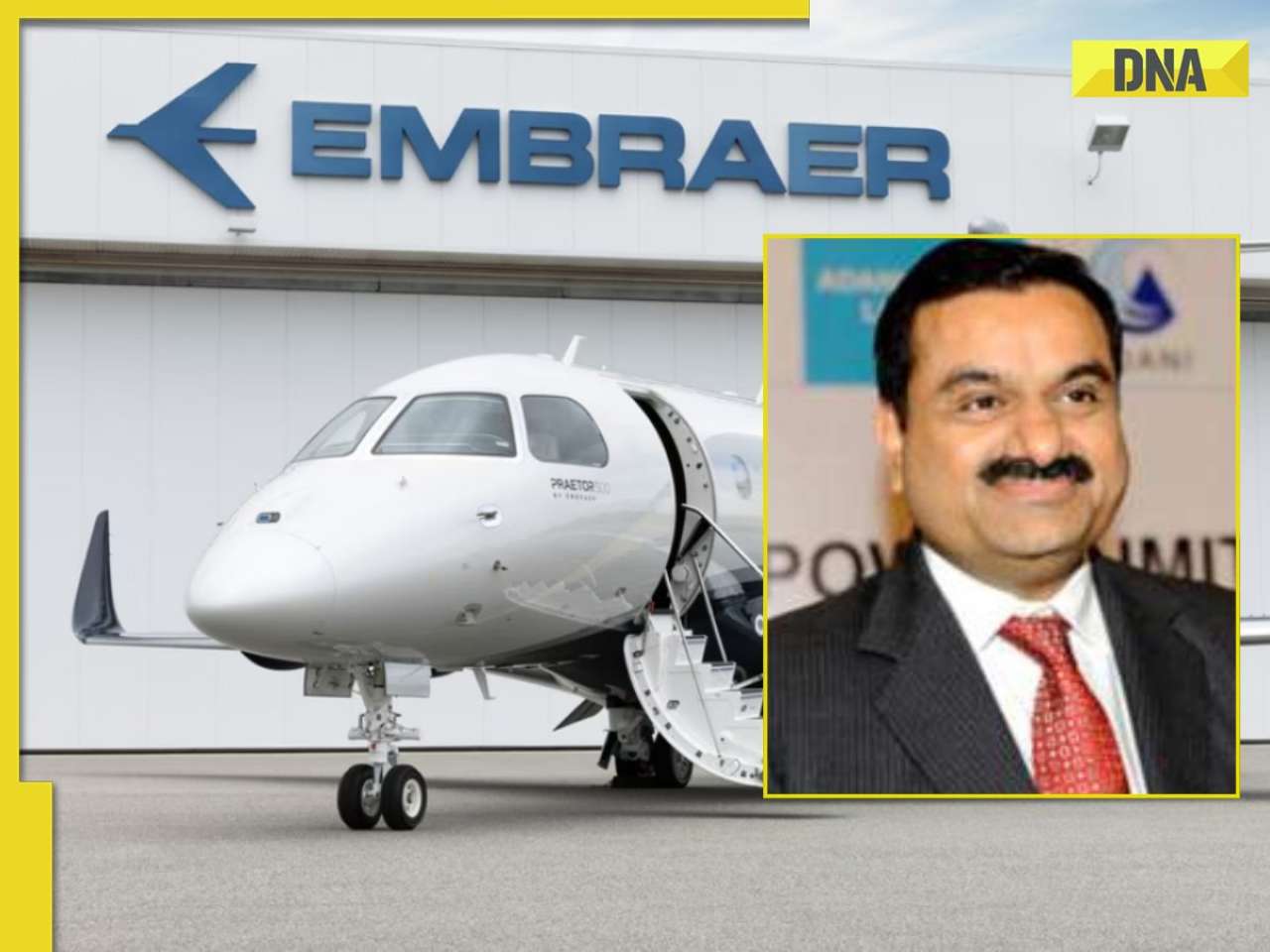
In December 2025, the Adani Group and Brazil’s Embraer signed a Memorandum of Understanding (MoU). This agreement aims to establish India final assembly line for commercial aircraft. The facility will assemble Embraer’s regional passenger jets. This marks a major step for the country’s Make-in-India aerospace ambitions.
The Commercial Aircraft Assembly Deal
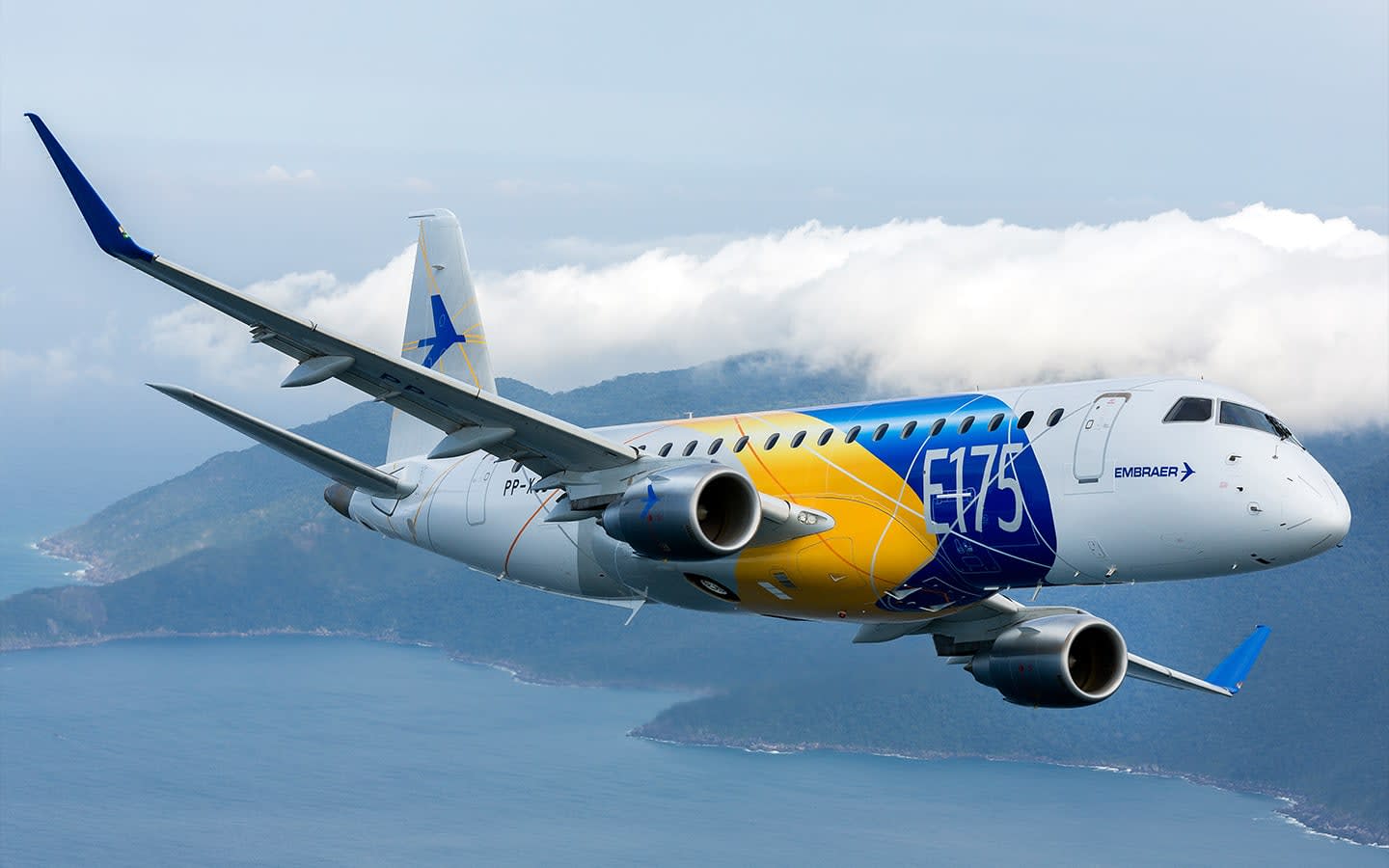
The proposed facility will focus on the Embraer regional jet family. These aircraft typically seat between 70 and 146 passengers. They are ideal for short- to medium-haul routes. The deal positions India to join an exclusive group of nations. These countries operate a commercial aircraft final assembly line for passenger jets.
Details on the exact location and investment are not yet public. However, the move aligns with the Adani Group's wider aviation strategy. The conglomerate already operates airports. It is also expanding into maintenance, repair, and overhaul (MRO) services. The assembly line adds manufacturing to this integrated ecosystem.
Market Context and Government Support
The timing is critical due to India’s massive demand. India is India's fastest-growing aviation market. Major carriers like IndiGo and Air India have over 1,800 aircraft on order. However, delivery slots from giants like Airbus and Boeing are booked for years.
Embraer estimates a strong market for its aircraft size. The company believes India will need about 500 aircraft in the 80- to 146-seat category. This demand is forecast over the next 20 years. This size is perfect for the government's UDAN regional connectivity scheme. This scheme aims to connect smaller, Tier-II and Tier-III cities.
To support the venture, the Indian government is considering incentives. These could include fiscal benefits for airlines. The benefits would apply to those ordering aircraft from the new India final assembly line.
The Hindustan Aeronautics Limited Question
The Adani Embraer commercial aircraft deal raises a long-standing question. Why did the state-owned Hindustan Aeronautics Limited commercial arm not take this lead? HAL was founded in 1940. Brazil's Embraer was founded decades later in 1969.
HAL has focused almost entirely on defense programs. It manufactures combat aircraft, helicopters, and engines. Its last major civil aviation project, licensed production of the AVRO HS-748, ended in 1988. This defense focus meant the company missed the commercial aviation boom.
- Defense vs. Commercial: Defense manufacturing relies on government orders. Commercial manufacturing demands stringent global certification. It requires a highly competitive supply chain.
- Expertise Gap: While HAL has built military aircraft, civil jets are a different challenge. The Adani-Embraer deal relies on Brazilian intellectual property. It uses their certification expertise and global market credibility.
Opportunities and Challenges Ahead
The establishment of the regional jet manufacturing India facility is a major opportunity. It will create a skilled workforce. It will also develop a local aerospace supply chain. This is a crucial step for India's industrial capability. For more on this and other industry developments, visit our dedicated section for commercial aviation news.
However, the project faces commercial aircraft manufacturing challenges. These include regulatory complexities. Supply chain management is another key challenge. The venture must also compete with established global players. The success of this Adani Embraer commercial aircraft partnership could pave the way. It may encourage other global manufacturers to invest in Indian assembly lines.
Topics
You Might Also Like
Discover more aviation news based on similar topics
Adani Group and Embraer Partner to Build Regional Jets in India: What's Next?
Adani Group and Embraer have partnered to establish a commercial fixed-wing aircraft Final Assembly Line in India for regional jets, a major 'Make in India' boost.
Embraer's 2025 Aircraft Deliveries Soar on Strong Fourth Quarter Performance
Brazilian manufacturer Embraer delivered 244 aircraft in 2025, an 18% increase from 2024, driven by a strong fourth quarter of 91 deliveries across all three business segments.

JetBlue Passenger's Seat Swap Demand Ignites Debate Over Family Seating Fees
JetBlue passenger's refusal to pay for assigned family seating sparked a viral seat-swapping incident, fueling a heated debate over airline fees and mandatory child seating laws.

Washington State Commits $20M to Accelerate Sustainable Aviation Fuel Production
Washington State launched the Cascadia Sustainable Aviation Accelerator (CSAA) with a $20 million commitment to boost Sustainable Aviation Fuel (SAF) production and cut aviation carbon emissions.

Washington's $20M Cascadia Accelerator will transform Alaska, Hawaiian, Horizon fuel.
Washington State launched the Cascadia Sustainable Aviation Accelerator (CSAA) with $20M, aiming to make the Pacific Northwest a global SAF hub for Alaska Airlines, Hawaiian Airlines, and Horizon Air.

Which US Airlines Have the Safest Drinking Water on Planes?
A new study ranking US airline water quality found Delta Air Lines and Frontier Airlines safest, while American Airlines and JetBlue scored lowest, raising concerns about the Aircraft Drinking Water Rule enforcement.