Airbus CEO Lars Wagner Backs Larger A220, Prioritizes A350 Production Boost.

Aviation News Editor & Industry Analyst delivering clear coverage for a worldwide audience.
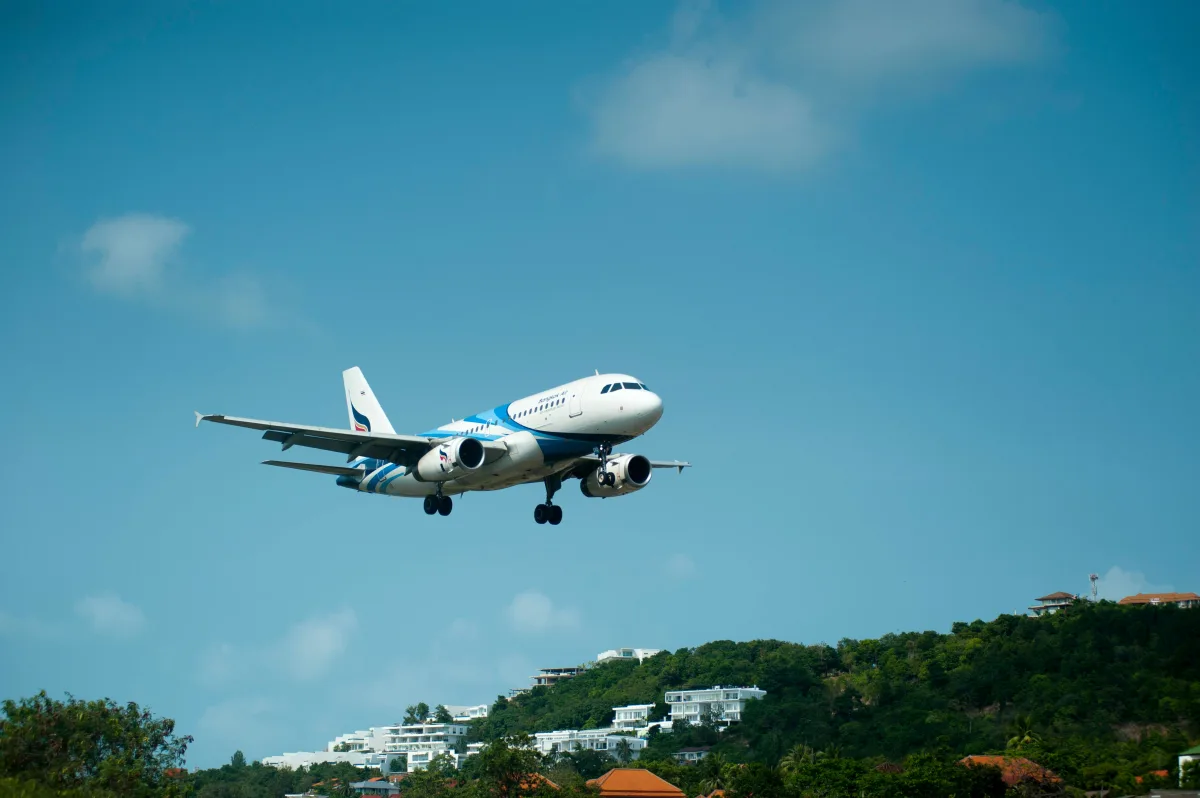
Airbus CEO Lars Wagner signals a production ramp-up for wide-body jets like the A350; he also supports development of a larger A220 variant.
Key Takeaways
- •Lars Wagner, new CEO of Airbus Commercial Aircraft, took office January 1, 2026, prioritizing production rate increases.
- •Airbus targets a rate of 12 A350 wide-body aircraft per month by 2028, up from the current rate of approximately six.
- •Wagner expressed personal support for the development of a larger A220 variant (A220-500) to seat 170-180 passengers.
- •The CEO stressed tackling supply chain issues and reviewing engine durability for next-generation narrow-body aircraft.
Lars Wagner, the new Chief Executive Officer of Airbus Commercial Aircraft, has outlined his strategic priorities. His focus is on accelerating production rates across the company’s entire jet portfolio. Wagner made these remarks during his first major public appearance at the Airline Economics conference in Dublin. He took over the core unit on January 1, 2026, succeeding Christian Scherer.
Wagner emphasized that the Airbus production ramp-up is his main objective. He noted that the “whole ecosystem is under pressure” due to persistent supply chain challenges.
Prioritizing Wide-Body Production
Meeting the strong demand for long-haul travel is a key goal. Wagner specifically highlighted the need to boost A350 wide-body production.
Airbus aims to increase the production rate for the A350 program. The current rate is around six aircraft per month. The target is to reach 10 aircraft per month by 2026. The ultimate goal is 12 aircraft per month by 2028.
This aggressive schedule is designed to address a substantial backlog. It also helps to solidify Airbus's position in the wide-body aircraft market.
Airbus also seeks to increase single-aisle production rates. The company is working to reach 75 A320neo-family jets per month by 2027.
Support for a Larger Airbus A220
In addition to production, Wagner expressed support for a larger Airbus A220 variant. This aircraft is often referred to as the A220-500.
This potential stretched model would bridge a gap in the market. It would fit between the current A220-300 and the larger A320neo family. The A220-300 seats up to 160 passengers. The proposed A220-500 would seat approximately 170 to 180 passengers.
Industry leaders, like Air Lease Corp CEO John Plueger, have advocated for this model. Wagner’s affirmative response signals strong internal backing for the future aircraft development.
- The A220 regional jet program is currently targeting 12 aircraft per month by late 2026.
- Airbus has noted that a rate of 14 per month is needed for the program to break even.
- The introduction of the A220-500 could boost overall volumes. This would help the program reach profitability faster.
Engine Durability and Next-Generation Aircraft
Wagner, the former CEO of German engine maker MTU Aero Engines, also addressed engine technology. He stated a second key objective is reviewing competing engine technologies. This review will balance fuel efficiency against engine durability for the next narrow-body aircraft.
He stressed that solving the engine durability question is paramount. Airlines have reported that maintenance bottlenecks are increasing. This is due to higher wear and tear on current-generation engines.
Industry Impact and Strategic Outlook
The new commercial aviation strategy under Lars Wagner CEO signals a focus on execution and expansion. The immediate priority is managing the supply chain to deliver existing orders. This is crucial for airlines facing long delivery delays.
Support for the A220-500 also shows a long-term vision. It positions Airbus to capture more of the lucrative 100-200 seat segment. This move would directly challenge rival offerings like the Boeing 737 MAX 7 and 8.
Airbus's commitment to increased wide-body output, especially for the A350, is vital. It will help global carriers meet growing international travel demand. The focus on Airbus production ramp-up is a positive sign for the entire aviation industry focus.
Get breaking commercial aviation news and expert airline analysis at flying.flights.
Written by Ujjwal Sukhwani
Aviation News Editor & Industry Analyst delivering clear coverage for a worldwide audience. Covers flight operations, safety regulations, and market trends with expert analysis.
Visit ProfileYou Might Also Like
Discover more aviation news based on similar topics

Airbus Delivers 700th Aircraft from its Tianjin Assembly Line
Airbus delivered its 700th China-assembled A320 family aircraft from its Tianjin plant, highlighting its deepening industrial footprint in a key market.

Airbus Slows A320 Production Ramp-Up Amid P&W Engine Shortage
Airbus is slowing its A320 production ramp-up due to a persistent shortage of Pratt & Whitney engines, impacting its 2026 delivery targets.
Airbus Targets Record 2026 Deliveries Despite Engine Supply Constraints
Airbus targets a record 870 aircraft deliveries for 2026 but faces production constraints due to ongoing engine shortages from supplier Pratt & Whitney.

Boeing 777-9 Simulators Gain Initial FAA and EASA Qualification
Boeing received initial FAA and EASA qualification for its 777-9 flight simulators, a critical step toward commencing pilot training for the new widebody.

Embraer Targets 200-Jet Order for India Assembly Line
Embraer seeks 200 firm aircraft orders from Indian carriers as a prerequisite to establishing a local final assembly line with its partner Adani Group.

Airbus Cuts A320 Targets, Citing Pratt & Whitney Engine Shortages
Airbus is scaling back A320 production targets, publicly blaming Pratt & Whitney for a significant engine shortage that is disrupting its delivery schedule.