Airbus Pioneers New Era of Aircraft Production with Titanium 3D Printing

Aviation News Editor & Industry Analyst delivering clear coverage for a worldwide audience.
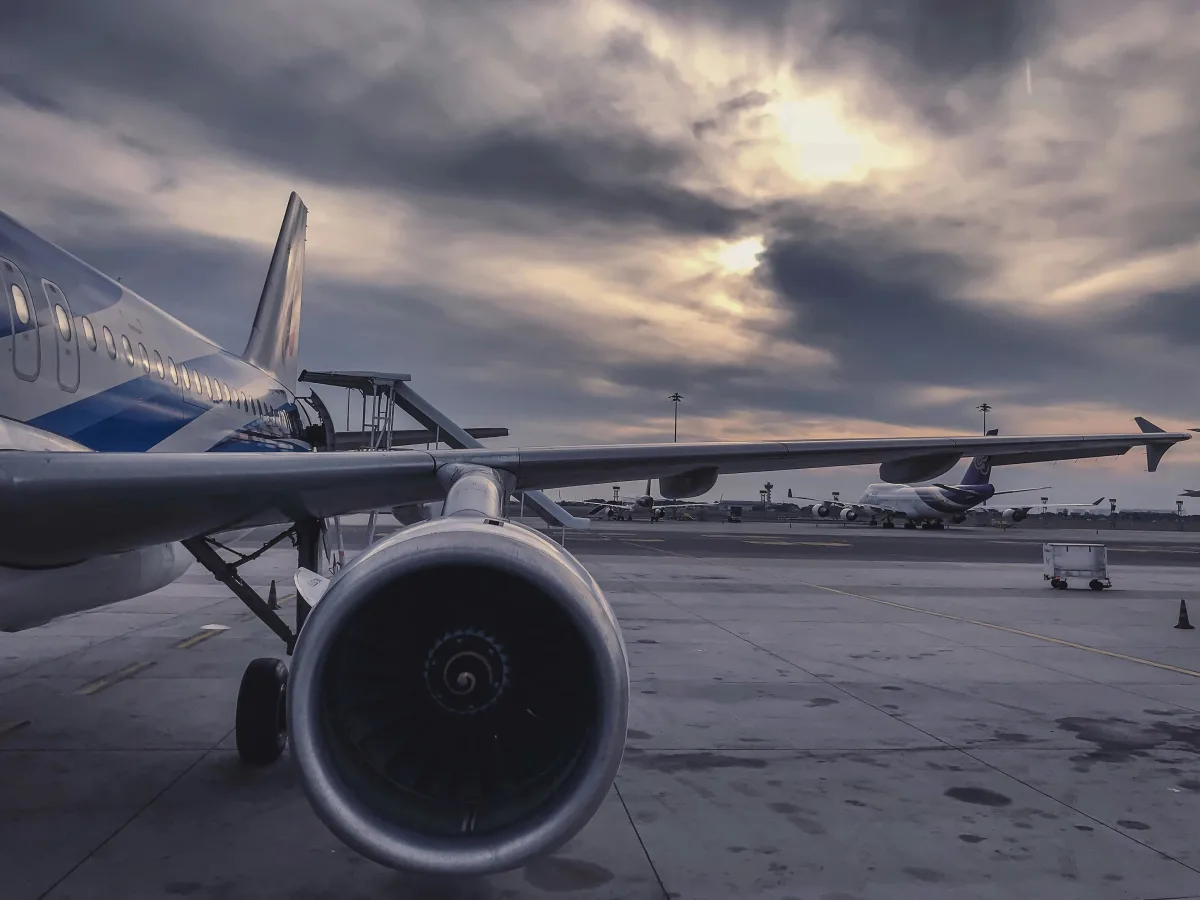
Airbus is pioneering aircraft manufacturing by using titanium 3D printing (w-DED) for structural components, significantly reducing material waste.
Key Takeaways
- •Airbus is utilizing wire-Directed Energy Deposition (w-DED) for manufacturing large-scale titanium structural components.
- •The w-DED process creates 'near net shape' parts, drastically reducing material waste from the 80-95% seen in traditional titanium forging.
- •The technology enables production of parts up to seven meters long, cutting lead times from years to just a few weeks.
- •Initial w-DED components are already integrated into the Airbus A350 Cargo Door Surround area, with plans for more critical applications like wings and landing gear.
The global manufacturer Airbus is advancing aircraft manufacturing innovation.
They are incorporating titanium 3D printing technology into production. This shift is changing how titanium structural components are made. The goal is to build airliners more efficiently.
The Wire-DED Technology
Airbus is focusing on wire-Directed Energy Deposition (w-DED). This is an advanced form of additive manufacturing aerospace technology. It uses a robotic arm and titanium wire. An energy source, like a laser, melts the wire. This process builds the part layer-by-layer.
This method is fundamentally different from traditional forging. Forging carves parts from large metal blocks. The w-DED process creates a "near net shape" blank. This blank is very close to the final design.
Reducing Material Waste and Cost
The primary benefit is a significant reduction in less material waste. Traditional subtractive methods are inefficient. They can result in 80% to 95% of the titanium being recycled.
Titanium is an expensive and high-value material. The w-DED process prevents most of this waste at the source. This leads to immediate, real-world cost savings.
This technology also speeds up production timelines. Traditional die forging can require complex tooling. This tooling may take up to two years to create. The new 3D-printed part shape is computer-determined. This reduces the lead time to just a few weeks.
Scaling Up Structural Components
Previous metal 3D printing focused on small components. These parts were often less than two feet long. The w-DED technique scales the process dramatically. It allows Airbus to produce titanium structural components up to seven meters (23 feet) long.
This scale makes additive manufacturing aerospace viable for primary structures. The process is also faster than older powder-bed methods. It boosts production rates to several kilograms per hour.
Current Applications and Future Plans
Airbus has already begun integrating these large w-DED parts. They are in use on the A350 aircraft. Specifically, they are used in the Cargo Door Surround area.
These 3D-printed components are functionally identical to forged parts. They offer the same strength and fatigue resistance.
Looking ahead, Airbus plans to expand w-DED usage. The technology will move to more critical applications. This includes parts for wings and landing gear in the longer term.
Certification and Industry Trust
Introducing new future aircraft production methods requires regulatory approval. The European Union Aviation Safety Agency (EASA) is actively involved. They provide guidance on certifying additive manufacturing technologies.
Certification focuses on process control and data collection. This ensures the new titanium alloy parts meet strict safety standards. The industry is working step-by-step toward full adoption of AM for primary structures.
Visit flying.flights for the latest commercial aviation news and airline industry updates.
Written by Ujjwal Sukhwani
Aviation News Editor & Industry Analyst delivering clear coverage for a worldwide audience. Covers flight operations, safety regulations, and market trends with expert analysis.
Visit ProfileYou Might Also Like
Discover more aviation news based on similar topics
Airbus Delivers 700th Aircraft from its Tianjin Assembly Line
Airbus delivered its 700th China-assembled A320 family aircraft from its Tianjin plant, highlighting its deepening industrial footprint in a key market.

Airbus Slows A320 Production Ramp-Up Amid P&W Engine Shortage
Airbus is slowing its A320 production ramp-up due to a persistent shortage of Pratt & Whitney engines, impacting its 2026 delivery targets.
Airbus Targets Record 2026 Deliveries Despite Engine Supply Constraints
Airbus targets a record 870 aircraft deliveries for 2026 but faces production constraints due to ongoing engine shortages from supplier Pratt & Whitney.

Boeing 777-9 Simulators Gain Initial FAA and EASA Qualification
Boeing received initial FAA and EASA qualification for its 777-9 flight simulators, a critical step toward commencing pilot training for the new widebody.

Embraer Targets 200-Jet Order for India Assembly Line
Embraer seeks 200 firm aircraft orders from Indian carriers as a prerequisite to establishing a local final assembly line with its partner Adani Group.

Airbus Cuts A320 Targets, Citing Pratt & Whitney Engine Shortages
Airbus is scaling back A320 production targets, publicly blaming Pratt & Whitney for a significant engine shortage that is disrupting its delivery schedule.