Arctic Blast Triggers Worst US Airline Disruption Since Pandemic, Canceling 11,000 Flights.

Aviation News Editor & Industry Analyst delivering clear coverage for a worldwide audience.
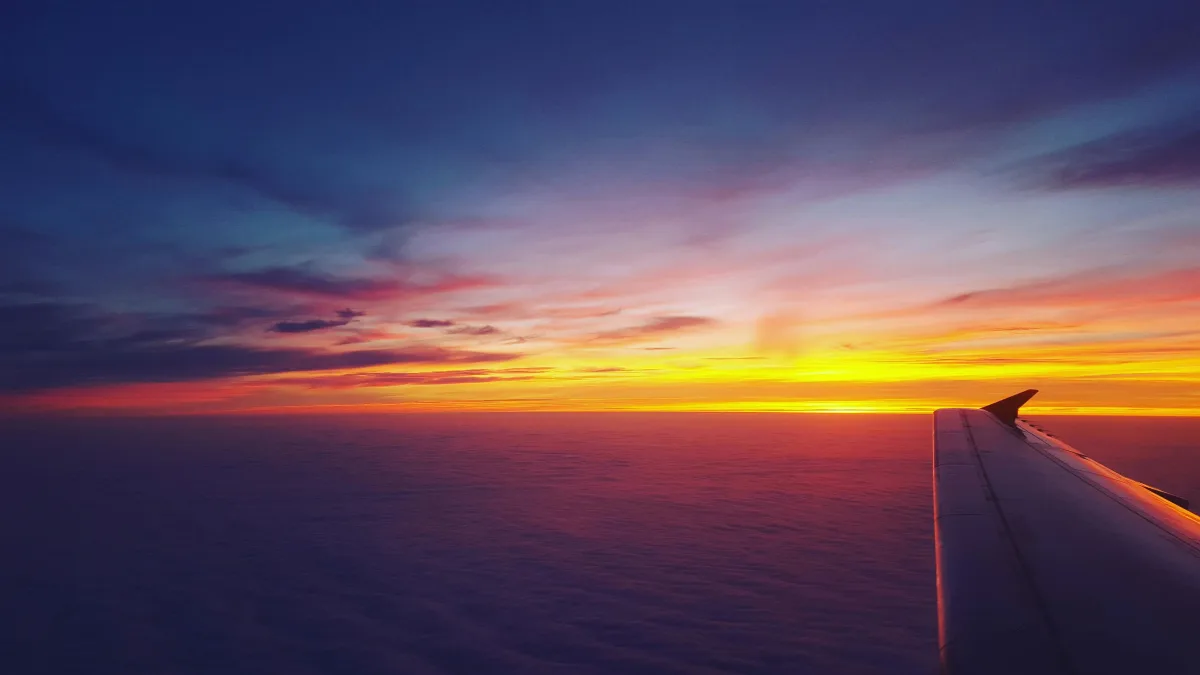
US airlines faced the worst operational day since 2020 as Winter Storm Fern forced over 11,000 flight cancellations and widespread delays across major hubs.
Key Takeaways
- •Over 11,000 US flights were canceled on Sunday, January 25, 2026, the highest total since the early days of the COVID-19 pandemic.
- •American Airlines, Delta, Southwest, and United each canceled over 1,000 flights due to the storm's impact on major hubs like DFW and East Coast airports.
- •Cascading delays were exacerbated by crew 'timing out' due to prolonged ground delays and extensive de-icing requirements.
- •The widespread storm brought subzero temperatures and over a million power outages, complicating both airline and general infrastructure recovery efforts.
A massive winter storm swept across the United States in late January 2026.
This severe weather event, sometimes dubbed Winter Storm Fern, caused extraordinary disruption to US commercial aviation. The storm brought a dangerous mix of heavy snow, sleet, and freezing rain. This was followed by an outbreak of Arctic air and subzero temperatures. The widespread impact stretched from the southern Plains to New England. The storm's severity quickly led to an unprecedented level of airline operational disruption.
Record-Breaking Flight Cancellations
Sunday, January 25, 2026, became the worst day for air travel since the height of the COVID-19 pandemic in March 2020. Aviation analytics firm Cirium reported that Sunday saw 10,766 flights canceled. Flight-tracking website FlightAware reported a total of 11,599 cancellations for flights within, into, or out of the United States on that day. This figure represented over 92% of global cancellations. The total number of canceled flights across the weekend reached nearly 20,000. This staggering number of 11,000 flight cancellations highlights the storm’s paralyzing effect.
Impact on Major Carriers and Hubs
Four major US carriers recorded over 1,000 cancellations each on Sunday.
- American Airlines reported the highest number with 1,898 flights canceled.
- Delta Air Lines followed with 1,484 cancellations.
- Southwest Airlines saw 1,347 flights grounded.
- United Airlines canceled 1,019 flights.
Major US transportation hubs were severely impacted, particularly in the South and Northeast. Dallas/Fort Worth International Airport (DFW) was one of the worst-hit facilities. On Saturday, DFW canceled 86% of its outbound flights. Other airports reporting severe disruption included New York LaGuardia (LGA), Ronald Reagan Washington National (DCA), and Raleigh-Durham.
Operational Challenges and Recovery
The storm's effects went beyond just snow and ice on runways. Airlines faced severe ground delays at many airports. The need for extensive de-icing queues reduced the overall capacity of airports.
Crew duty limits became a significant factor in the cascading cancellations. Prolonged ground delays caused flight and cabin crew members to reach their maximum legal duty hours. This phenomenon, known as "timing out," forced airlines to cancel flights to comply with safety regulations. Finding replacement crews during such a widespread event proved extremely difficult.
Broader Infrastructure and Safety Concerns
The storm's reach caused widespread infrastructure failure across the country. Over one million customers lost power at the peak of the storm, primarily in Southern states. The National Weather Service (NWS) warned that the subsequent bitter cold would hinder recovery efforts.
For passengers, the disruption meant extensive delays and rebooking challenges. Many carriers, including American Airlines and Delta Air Lines, issued travel advisories. They offered fee waivers for changes to tickets on affected dates. The Federal Aviation Administration (FAA) worked closely with airlines to manage the air traffic control system. This was done to mitigate the safety risks associated with the severe weather. The event serves as a critical reminder of the vulnerability of the US domestic network to widespread weather events.
Stay ahead of the airline industry with commercial aviation news from flying.flights.
Written by Ujjwal Sukhwani
Aviation News Editor & Industry Analyst delivering clear coverage for a worldwide audience. Covers flight operations, safety regulations, and market trends with expert analysis.
Visit ProfileYou Might Also Like
Discover more aviation news based on similar topics

Canadian Airlines Resume Puerto Vallarta Flights Amid Security Concerns
Canadian carriers resumed flights to Puerto Vallarta after a temporary suspension due to regional violence, though some travelers have altered their plans.
National Aviation Strike Set to Disrupt Italian Air Travel on Feb 26
A 24-hour national aviation strike in Italy on Feb 26 will cause widespread flight cancellations, with ITA Airways grounding 55% of its scheduled service.

Delta Launches First Nonstop JFK-Malta Flights for Summer 2026
Delta Air Lines will launch its first nonstop service from JFK to Malta in June 2026, supported by a new Delta Vacations program for the destination.

Winter Storm Cancels Over 11,000 Flights in U.S. Northeast
A major winter storm in the U.S. Northeast forced airlines to cancel over 11,000 flights, grounding operations at major hubs like Boston and New York.

IndiGo Launches Belagavi-Navi Mumbai Flights from March 29
IndiGo will launch daily flights between Belagavi and Navi Mumbai from March 29, restoring a key regional route previously served by Star Air.

Canadian Airlines Resume Mexico Flights After Regional Violence Subsides
Canadian carriers resume flights to Puerto Vallarta as over 61,000 citizens register with Global Affairs Canada amid regional safety concerns.