British Airways Airbus A380 Turbulence: Two Sustain Broken Bones on LAX-LHR Flight

Key Points
- 1Two people, a passenger and a crew member, suffered broken ankles on the British Airways Airbus A380 flight on December 6, 2024.
- 2The UK's AAIB reported the turbulence was perceived as 'light to moderate' by the captain, but caused a sudden, violent upward movement.
- 3Turbulence is the leading cause of in-flight injuries, with ankle fractures being one of the most common serious injuries, according to NTSB data.
- 4Studies indicate severe clear-air turbulence over the North Atlantic has increased by 55% since 1979, underscoring a growing industry risk.
The Air Accidents Investigation Branch (AAIB) is reviewing a British Airways turbulence incident on December 6, 2024. The transatlantic flight from LAX to London Heathrow (LHR) encountered unexpected turbulence. This resulted in two people suffering serious injuries. One passenger and one cabin crew member sustained broken bones on flight.
Incident Details and AAIB Findings
The incident involved a British Airways Airbus A380 aircraft. The severe movement occurred over the Atlantic Ocean. The turbulence lasted only 10 to 15 seconds. The captain perceived the event as "light to moderate." However, the aircraft made a "sudden movement upward and sideways."
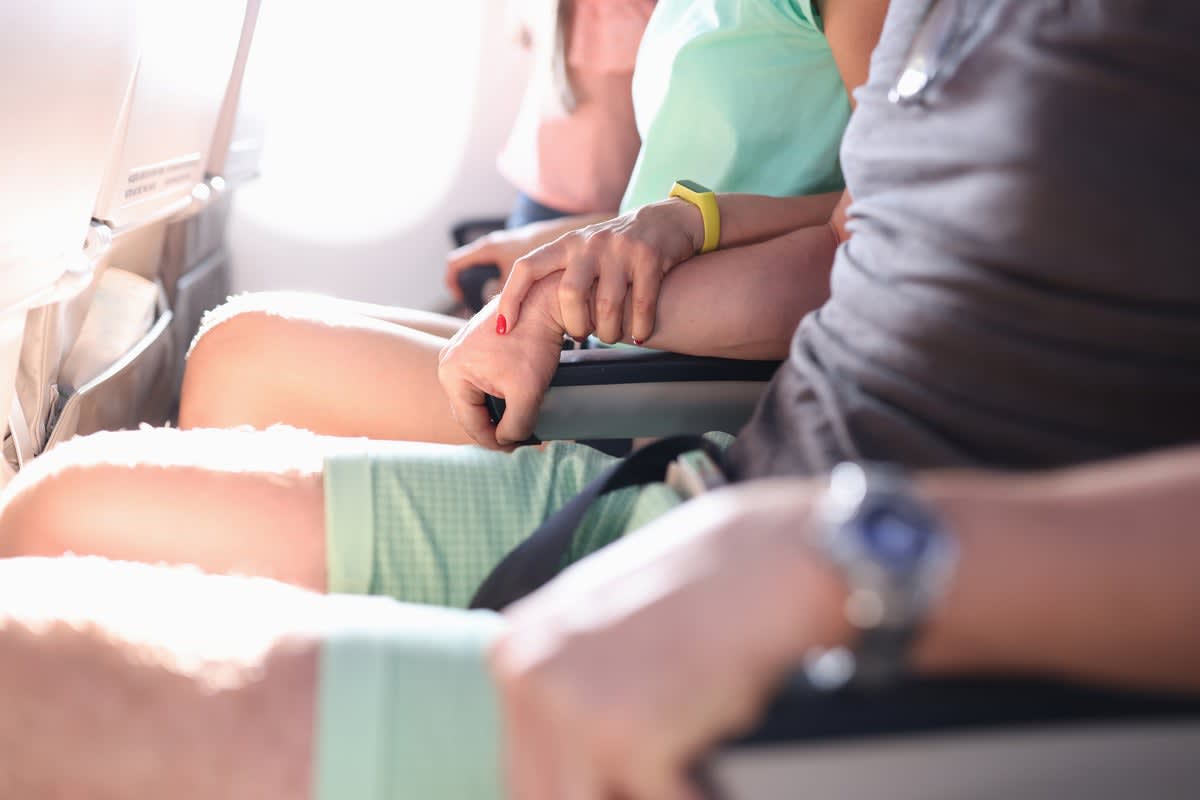
The seatbelt signs were illuminated at the time. The injured passenger was returning to their seat. He reported not noticing the seatbelt sign activation. The injured crew member was lowering her seat to strap in. Both individuals were thrown, resulting in broken ankles. The AAIB noted that more people might have been hurt. This is because the captain had activated the signs early.
Growing Risk of In-Flight Turbulence
Turbulence is the leading cause of injuries. This applies to both passengers and flight attendants. The majority of serious injuries are sustained by cabin crew. The most common serious injuries are fractures. These include fractures to the ankle, leg, and spine.
This event highlights the challenge of forecasting clear-air turbulence. This type of turbulence occurs without visible weather indicators. Research indicates a growing risk of clear-air turbulence. A 2023 study showed an increase over the North Atlantic turbulence route. Severe turbulence duration increased by 55% from 1979 to 2020. This increase is consistent with climate change effects. The IATA has recognized this trend.
Aviation Safety and Passenger Compliance
Regulatory bodies stress the importance of seatbelt use. The FAA advises passengers to remain buckled at all times. This is even when the seatbelt sign is off. This simple action is the most effective safety measure. It protects against sudden, unexpected movements. This incident reinforces the need for constant vigilance. Read more commercial aviation news at flying.flights.
Topics
You Might Also Like
Discover more aviation news based on similar topics
Which North American Airports Have the Worst Turbulence?
Denver International Airport and several mountainous flight routes top the new 2025 North America turbulence rankings, according to aviation data site Turbli.com.

Why Did British Airways Flight BA1300 Divert from Aberdeen?
British Airways flight BA1300 from London to Aberdeen was diverted to Edinburgh Airport due to heavy snow and Met Office Amber warnings, causing significant travel disruption.
Why an Emirates Airbus A380 Was Forced to Return to London Heathrow
Emirates Airbus A380 flight EK002 from London Heathrow to Dubai made a precautionary return due to a landing gear door technical fault, safely landing after burning fuel.
Fatal Aviation Accidents Fall, But 2025 Death Toll Rises to 389.
The 2025 air travel safety review found the fatal accident rate dropped to one in seven million flights, despite four major crashes causing 389 total deaths.

How Did the Air India Boeing 787 Dreamliner Crash Change Aviation Safety?
Air India's Boeing 787 Dreamliner crash in Ahmedabad on June 12, 2025, killed 260 people, prompting a global review of takeoff and landing safety protocols.

Ryanair 737 Forced to Return to Birmingham After Severe Turbulence Injures Passengers
Ryanair flight FR1121 from Birmingham to Tenerife returned to the UK after severe turbulence over France injured a small number of passengers, prompting an emergency descent and