Can Toshiba and Airbus's Superconducting Motors Unlock Zero-Emission Flight?

Aviation News Editor & Industry Analyst delivering clear coverage for a worldwide audience.
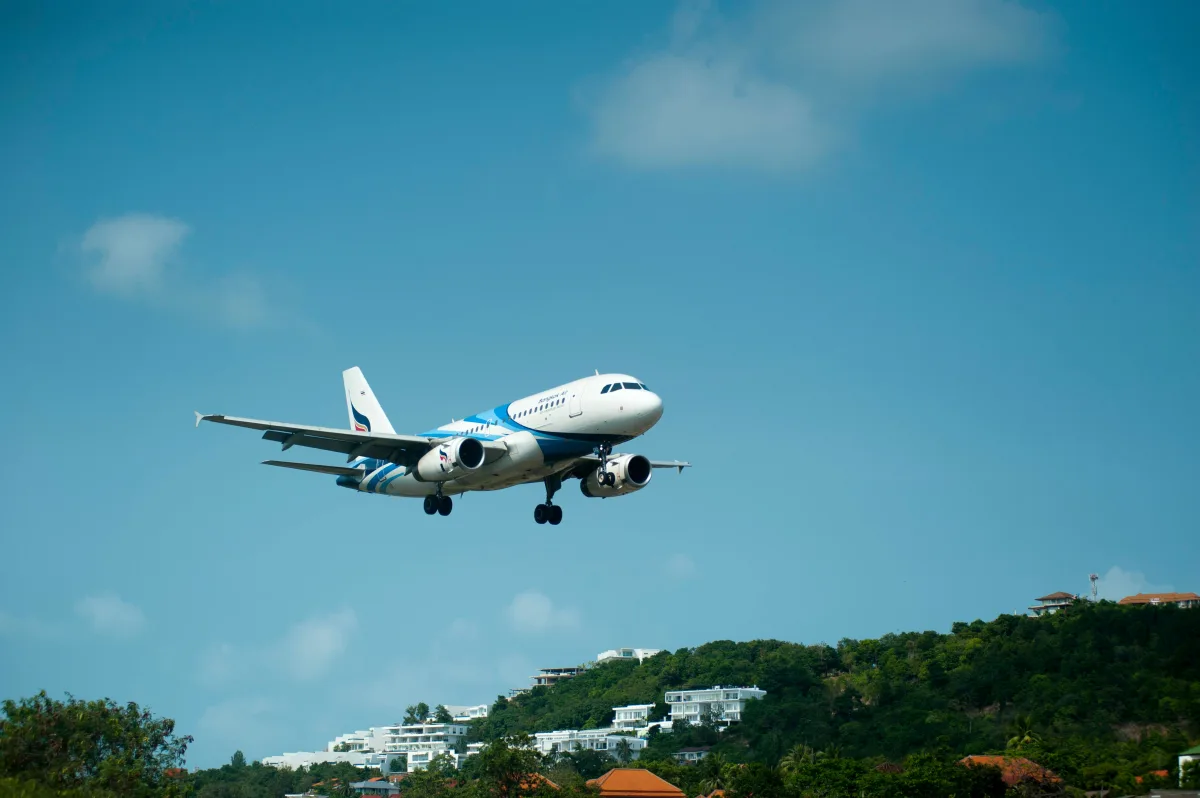
Airbus and Toshiba partnered at Japan Aerospace 2024 to develop a 2MW superconducting motor, a key step toward realizing zero-emission, hydrogen-powered flight.
Key Takeaways
- •Toshiba's 2MW-class superconducting motor is less than one-tenth the size and weight of conventional motors, offering a breakthrough in power-to-weight ratio for electric flight.
- •Airbus and Toshiba Energy Systems & Solutions signed a collaborative research agreement in October 2024 at the Japan International Aerospace Expo to scale the technology for future hydrogen-powered aircraft.
- •The system uses liquid hydrogen (LH2) at -253°C as both a zero-emission fuel source and a natural coolant, enabling highly efficient, lossless electric propulsion.
- •The partnership is a critical step for Airbus's ZEROe program and the industry's goal of achieving net-zero CO2 emissions by 2050, despite infrastructure and integration challenges.
The global aviation sector is pushing hard for net-zero CO2 emissions by 2050. While Sustainable Aviation Fuel (SAF) plays a role, new technologies are essential. A major breakthrough is the superconducting motor developed by Toshiba. This motor is a compact, lightweight, and high-output solution. It is designed for next-generation electric propulsion systems.
A Game-Changer in Electric Propulsion
Toshiba's prototype motor is a 2MW-class electric propulsion unit. It is significantly smaller and lighter than conventional motors. The design is less than one-tenth the weight and size of comparable units. This drastic reduction is a game-changer for aviation, where every kilogram affects performance. The prototype was first unveiled by Toshiba in June 2022.
This technology achieves maximum efficiency through superconductivity. It operates at cryogenic temperatures, eliminating electrical resistance. This maximizes energy efficiency and power output.
The Hydrogen-Cryogenic Synergy
Hydrogen-powered flight is key to achieving zero emissions. Hydrogen can be burned in turbines or converted to electricity in fuel cells. The fuel cell method is more efficient, producing zero CO2 emissions. Toshiba's motor enhances this electric approach.
The system uses liquefied hydrogen (LH2) as both fuel and coolant. LH2 is stored at an extremely cold temperature of -253°C (-423°F). This naturally cold environment is perfect for cooling the superconducting motor. This synergy improves performance while reducing overall system weight.
Airbus and Toshiba Collaboration
Recognizing this potential, Airbus began collaborative research in 2024. The world’s largest aircraft manufacturer is working to scale this technology. The partnership agreement was signed in October 2024. This occurred at the Japan International Aerospace Expo 2024 in Tokyo.
The collaboration involves Airbus's innovation unit, Airbus UpNext, and Toshiba Energy Systems & Solutions Corporation. The goal is to co-develop the 2MW superconducting motor. This effort supports Airbus's broader aircraft electrification programs and its ZEROe initiative.
- Airbus UpNext is testing a 2MW superconducting electric propulsion system demonstrator called Cryoprop.
- The partnership leverages Toshiba’s 50 years of experience in superconducting technology.
Industry Impact and Challenges
This Toshiba Airbus superconducting motor partnership is a pivotal step. It moves the industry closer to zero-emission flight. The International Civil Aviation Organization (ICAO) has set a goal to cut CO2 emissions to net zero by 2050. Innovations like this are critical to meet that target.
However, significant challenges remain for hydrogen-powered flight:
- Infrastructure: A global ecosystem for hydrogen production and distribution at airports is needed.
- Timeline: Airbus has reportedly adjusted its ZEROe timeline. The launch of a hydrogen-powered commercial airliner is now targeted for the late 2030s.
- Integration: Integrating the large LH2 storage tanks and cryogenic cooling technology into commercial aircraft designs is complex.
This lightweight high-output solution has applications beyond aviation. Toshiba envisions its superconducting motor powering next-generation ships. It could also provide propulsion for space travel. By pairing superconductivity with hydrogen, the collaboration is shaping a future where aircraft fly cleaner and smarter.
From airline operations to fleet updates, commercial aviation news lives at flying.flights.
Written by Ujjwal Sukhwani
Aviation News Editor & Industry Analyst delivering clear coverage for a worldwide audience. Covers flight operations, safety regulations, and market trends with expert analysis.
Visit ProfileYou Might Also Like
Discover more aviation news based on similar topics

TRU's Citation Ascend Simulator Gains FAA Level D Qualification
TRU Simulation's Cessna Citation Ascend simulator has received FAA Level D qualification, enabling pilot training to begin ahead of the jet's 2025 entry.

US Airlines Adopt Starlink for High-Speed In-Flight Wi-Fi Service
Southwest and other US airlines are adopting Starlink's LEO satellite internet, aiming to provide passengers with a superior, high-speed in-flight experience.

Avionica Launches Real-Time Aircraft Data Platform for Airline Operations
Avionica has launched a live aircraft sensor streaming platform to provide airlines with real-time data for safety, maintenance, and performance monitoring.
Metafuels Raises $24M to Scale Synthetic Aviation Fuel Technology
Metafuels raised $24 million to scale its technology for converting renewable methanol into sustainable aviation fuel, targeting commercial production.

Athens Airport Operations Disrupted by Air Traffic Control System Fault
Athens Airport faced flight disruptions after a technical fault in a key data system, raising concerns over Greece's aging ATC infrastructure.

NASA Develops Air Traffic System for High-Altitude Flights
NASA is developing a new air traffic management system to safely manage the growing number of high-altitude flights for telecommunications and research.