Delta Air Lines Orders 34 More Airbus A321neos for Fleet Renewal

Aviation News Editor & Industry Analyst delivering clear coverage for a worldwide audience.
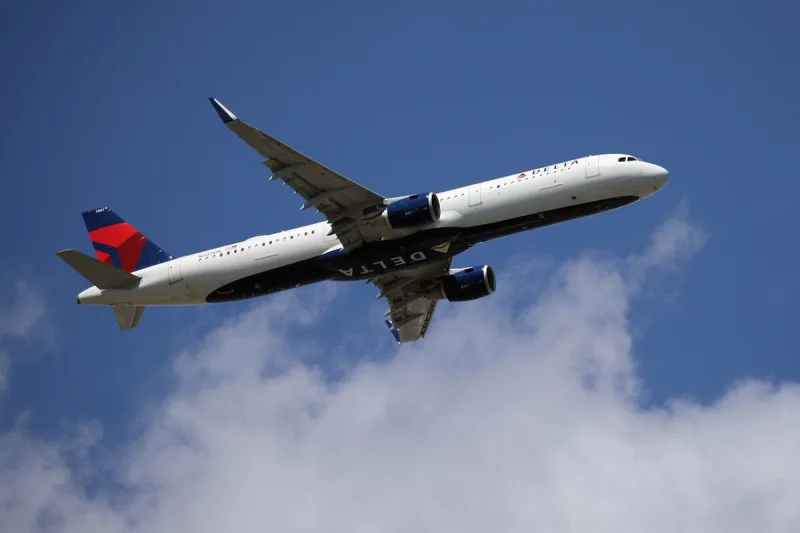
Delta Air Lines ordered 34 additional Airbus A321neo jets, its third major aircraft purchase in six weeks, to accelerate its fleet modernization plan.
Key Takeaways
- •Exercises options for 34 additional Airbus A321neo aircraft for delivery starting 2029.
- •Brings total A321neo fleet commitment to 189 jets, with 36 purchase options remaining.
- •Marks the third major aircraft order in early 2026, totaling nearly 100 new planes.
- •Continues a fleet modernization strategy focused on fuel efficiency and premium cabins.
Delta Air Lines has continued its aggressive fleet modernization strategy, announcing an order for 34 additional Airbus SE jets. The transaction marks the airline's third significant aircraft purchase in less than six weeks, signaling strong confidence in future travel demand and solidifying its commitment to the Airbus A321 New Engine Option (A321neo) platform.
According to a statement from the Atlanta-based carrier, the order was executed by exercising existing purchase options. This move is a key part of Delta's broader airline fleet modernization effort, aimed at replacing older aircraft with more fuel-efficient models and enhancing its premium product offerings. This focus on the Delta Airbus A321neo fleet is central to its strategy to compete in the US aviation industry, particularly against budget carriers, by appealing to higher-yield passengers. The deliveries for this latest batch of aircraft are scheduled to begin in 2029.
A Flurry of Orders in 2026
This A321neo order caps a busy start to the year for Delta's fleet planning department. Including this latest announcement, the airline has placed firm orders for nearly 100 new aircraft since the beginning of 2026. Last month, Delta announced two separate major orders: one for 30 Boeing 787 Dreamliners and another for a combined 31 Airbus widebody jets, comprising 16 A330-900s and 15 A350-900s.
The continued investment in the A321neo is a significant endorsement of the aircraft's performance within Delta’s network. The addition of these 34 jets will grow Delta’s total firm commitment for the A321neo to 189 aircraft. Furthermore, the airline retains options for another 36 A321neos, providing flexibility for future growth.
In an official company statement, Kristen Bojko, Delta's vice president of Fleet, commented on the aircraft's role. “The A321neo has proven to be an exceptional aircraft for Delta, delivering industry-leading efficiency while offering the premium experience our customers value,” Bojko said. “By exercising these options, we're continuing to invest in a fleet that improves our cost structure, supports our sustainability goals and gives us powerful flexibility to serve our customers well into the next decade.”
Strategic Implications and Market Trends
Delta’s recent aircraft purchases align with several key airline industry trends. The primary driver is fleet modernization, replacing less efficient, older-generation jets to reduce fuel burn and operational costs. According to Delta, the A321neo is 20-30% more fuel efficient than the aircraft it replaces, contributing directly to the airline's financial and environmental sustainability targets.
This sustained investment also reflects intense competition among major US carriers, all of which are actively expanding their fleets to capture market share on both domestic and international routes. The A321neo's versatility allows it to operate efficiently on high-density domestic routes while also possessing the range for certain transatlantic missions, a trend where long-range narrowbody aircraft are increasingly used on routes once exclusive to widebody jets. The full details of the order were published in a Delta News Hub press release.
Delta's emphasis on premium products is another critical component of its strategy. New aircraft like the A321neo are typically configured with a higher proportion of first-class and premium-economy seats, catering to the demand from business travelers and affluent leisure flyers, which generates higher revenue per seat mile.
What Comes Next
With deliveries for this order slated to begin in 2029, Delta is securing its long-term fleet plan. Securing production slots well in advance is crucial in the current commercial aircraft market, where both Airbus and Boeing face extensive backlogs. This forward planning ensures a steady stream of new, efficient aircraft to support network growth and retire older models throughout the next decade. The remaining 36 options provide a strategic reserve that can be exercised if market conditions warrant further expansion.
Why This Matters
This series of orders from Delta Air Lines underscores a robust outlook for air travel demand, particularly in the premium segments. It solidifies the A321neo as a cornerstone of the carrier's domestic and medium-haul strategy, positioning it to lower operating costs and improve its environmental footprint. For the broader US aviation industry, Delta's aggressive fleet renewal puts pressure on competitors to accelerate their own modernization efforts to remain competitive on cost, efficiency, and passenger experience.
flying.flights provides comprehensive commercial aviation news covering airlines, aircraft, and airports. For reporting on UAP sightings, investigations, and aviation-related encounters, see the UAPs section at flying.flights/uaps.
Written by Ujjwal Sukhwani
Aviation News Editor & Industry Analyst delivering clear coverage for a worldwide audience. Covers flight operations, safety regulations, and market trends with expert analysis.
Visit Profile