Did Navi Mumbai Airport Deny Right of Way to Telecom Operators?

Key Points
- 1COAI alleges Navi Mumbai International Airport (NMIA) is denying RoW and demanding approximately ₹92 lakh per month per operator for its In-Building Solution (IBS) network.
- 2NMIA denies denying RoW, citing its neutral-host IBS model is necessary for security and efficient maintenance, managed with BCAS clearance.
- 3The dispute hinges on the Telecommunications Act, 2023, which mandates non-discriminatory RoW access and restricts charges to administrative costs.
- 4The disagreement is currently causing poor 4G/5G service for passengers, though NMIA is providing complimentary high-speed Wi-Fi.
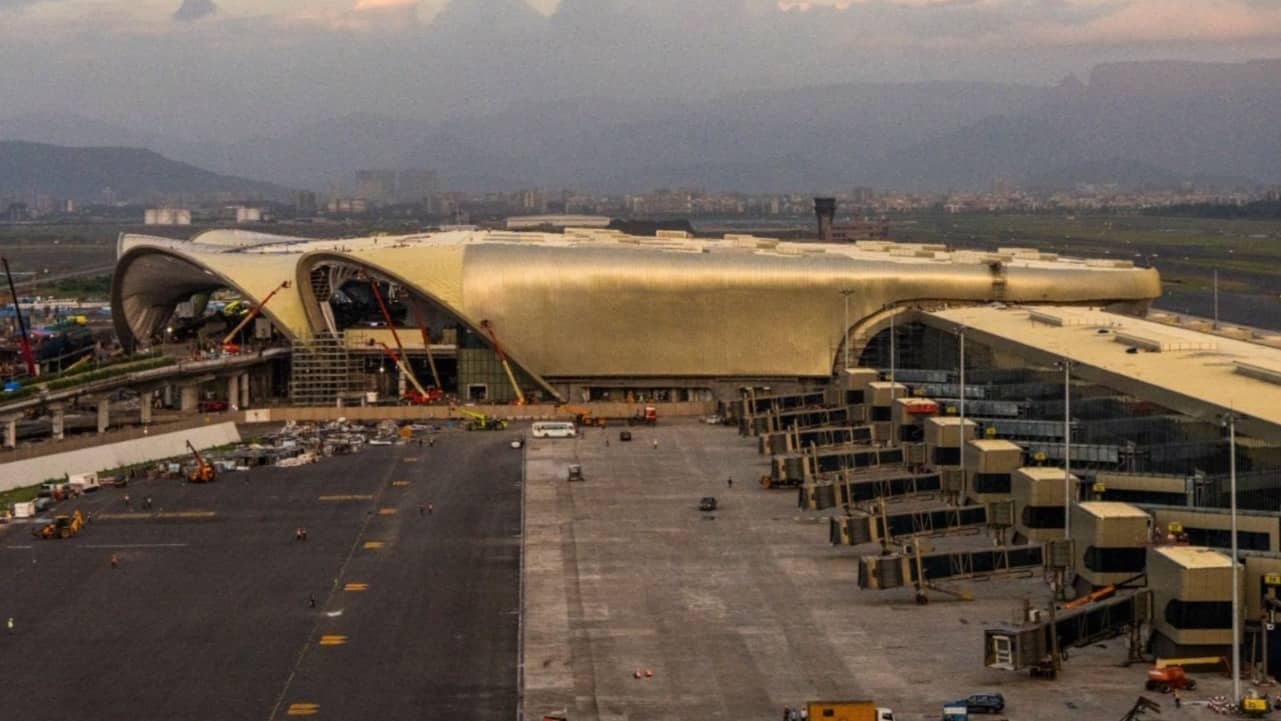
Navi Mumbai International Airport (NMIA), owned by the Adani Group, has strongly denied allegations of blocking Right of Way (RoW) for telecom service providers (TSPs). The airport operator stated it welcomes individual rate discussions. However, NMIA emphasized it will not agree to what it calls cartelisation on pricing for its telecom services.
Background to the Telecom Infrastructure Dispute
The dispute centers on the deployment of telecom In-Building Solution (IBS) network infrastructure. The Cellular Operators Association of India (COAI) wrote to the Department of Telecommunications (DoT). COAI alleged that NMIA denied RoW permissions for its members to install their own 4G and 5G networks. Instead, the association claims NMIA is compelling operators to use the airport’s pre-installed network.
Allegations of Excessive Charges
COAI, which represents major TSPs like Bharti Airtel, Reliance Jio, and Vodafone Idea, reported the airport seeks exorbitant fees. The alleged charge is approximately ₹92 lakh per month per operator. This fee is claimed to be far higher than the typical cost of deploying an independent IBS network. The association argues these fees violate the Telecommunications Act, 2023, and the RoW Rules, 2024. Under these rules, RoW charges should be limited to administrative and restoration costs.
NMIA's Defense and Regulatory Compliance
NMIA countered the claims, asserting that RoW has never been denied to any TSP. The airport operator stated it installed a state-of-the-art neutral host IBS after discussions with individual TSPs. This approach ensures coverage in critical operational zones. These areas include the baggage belt, utility buildings, and air traffic control (ATC).
Security and Operational Efficiency
The airport operator defended its centralized network management model. NMIA stated the airport is a highly sensitive zone. Frequent servicing and maintenance are required. The airport operator manages this best with BCAS (Bureau of Civil Aviation Security) clearance. A third party would face a substantially longer turnaround time. This could lead to delays and passenger inconvenience. The airport maintains its offered rates align with existing industry standards.
Regulatory and Passenger Impact
COAI’s appeal to the DoT seeks intervention to enforce the statutory framework. The Telecommunications Act, 2023, requires public entities, including airports, to grant RoW on a non-discriminatory and non-exclusive basis. The resolution of this dispute is critical for seamless mobile connectivity at the new hub.
- Current Status: State-owned BSNL is already in the advanced testing phase for using the IBS. Other TSPs are yet to conclude discussions.
- Passenger Mitigation: Due to the delay by other TSPs, NMIA is providing free, high-speed Wi-Fi services to all passengers.
This ongoing conflict highlights the tension between airport operational control and the mandate for competitive telecom infrastructure in India. For more commercial aviation news, visit flying.flights. The DoT's final ruling will set a precedent for future airport telecom arrangements across the country. The outcome will affect airport revenue models and passenger mobile connectivity standards. The Adani Group-owned Navi Mumbai International Airport is a key entity in this regulatory test case. The Cellular Operators Association of India continues to push for independent network deployment. The Department of Telecommunications is expected to weigh the arguments against the new national telecom framework.
Topics
You Might Also Like
Discover more aviation news based on similar topics

Adani and Telecom Giants Clash Over 5G Network Access at Navi Mumbai Airport
Adani Group's Navi Mumbai International Airport is facing a legal challenge from major telecom operators over denied Right of Way for 4G/5G network rollout and "exorbitant" network

Navi Mumbai Airport Takes Flight: 48 Movements, 4,000+ Passengers on Day One
The Navi Mumbai International Airport (NMIA) formally began commercial operations, handling 48 flights and over 4,000 passengers on Day 1, significantly easing Mumbai Metropolitan
India's New Aviation Hub: Navi Mumbai International Airport Opens After Spectacular Drone Show
Navi Mumbai International Airport (NMIA) commenced commercial operations on December 25, 2025, with an initial 20 MPPA capacity, easing congestion for the Mumbai Metropolitan Region.

Why is Your 150ml Perfume Not Allowed on Domestic Flights? The 100ml Rule Explained
BCAS mandates that all liquids, aerosols, and gels, including perfume, in carry-on baggage on Indian domestic flights must be in containers of 100 ml or less, a rule often misunderstood by travelers.
Which 11 AAI Airports Are Being Privatised, and Why Does it Matter?
India's Ministry of Civil Aviation sent a proposal for the third round of airport privatisation, covering 11 AAI facilities in five bundles, to the PPPAC, with the tender process

Guwahati Airport's 2025 Surge: Did 7 Million Passengers Redefine Northeast India?
Lokapriya Gopinath Bardoloi International Airport, managed by Adani Airport Holdings, handled a record 7.01 million passengers in 2025, cementing its role as Northeast India's key
Never Miss Critical Aviation Updates
Get the top aviation stories delivered to your inbox every morning