EASA finalizes new AI safety rules to transform future flight operations.

Aviation News Editor & Industry Analyst delivering clear coverage for a worldwide audience.
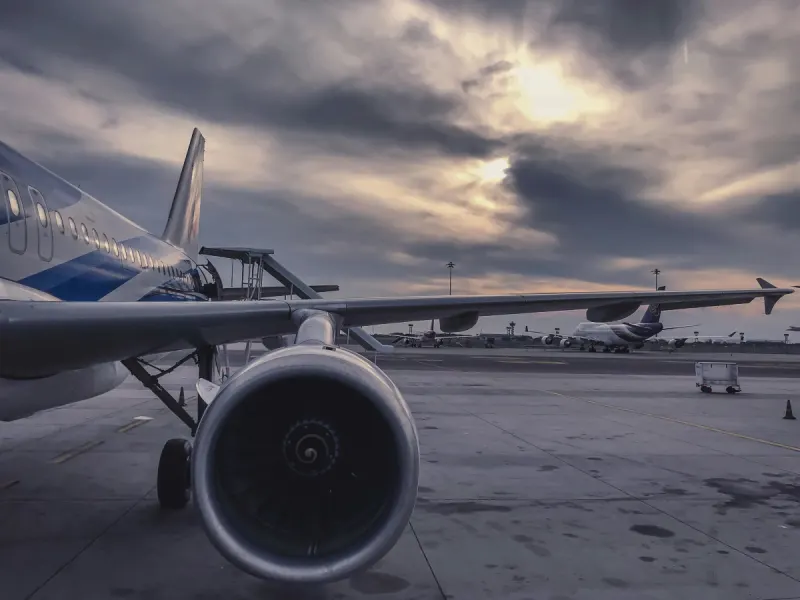
EASA is finalizing new trustworthiness standards for artificial intelligence to ensure safe integration across European flight operations by 2026.
Key Takeaways
- •EASA closed the comment period for AI trustworthiness specifications on February 10, 2026.
- •The new regulatory material focuses on explainability, robustness, and human-AI teaming.
- •Guidelines aim to support aviation innovation while maintaining the highest safety standards.
- •Major manufacturers like Airbus are aligning development with these new EASA safety frameworks.
The EASA is leading a major change. They are making new rules for AI. These rules ensure AI is safe. The agency calls this "AI trustworthiness."
A major deadline passed recently. Comments were due on February 10, 2026. Many industry experts shared their ideas. This helps the agency improve rules. Innovation is very important for aviation. Safety is even more important.
The Role of AI in Flight
Artificial intelligence can do many things. It can help pilots fly planes. It can help find engine problems. This is called predictive maintenance. AI can also help air traffic. It makes flight routes more efficient.
EASA wants AI to be clear. Pilots must understand AI choices. This is called explainability. AI must also be very reliable. It cannot make simple mistakes. Humans must always stay in control.
Industry Impact and Safety
Manufacturers like Airbus follow these rules. They are building new smart systems. These systems will help reduce fuel. They will also make flights smoother. These rules provide a clear path.
The FAA is also looking at AI. Global rules are very helpful. They keep the skies safe everywhere. EASA is leading the way now. This helps avoid confusing different rules.
A Risk-Based Approach
The new rules focus on risk. High-risk systems need more checks. Low-risk systems can move faster. This balance helps the industry grow. It also protects every passenger.
EASA uses a three-step plan. First, they focus on trustworthiness. Second, they look at assurance. Third, they focus on human oversight. This ensures AI helps humans. It does not replace human judgment.
Key Benefits for Airlines
- Better fuel efficiency through smarter routing.
- Reduced downtime with better maintenance tools.
- Enhanced safety with real-time data analysis.
- Clearer guidelines for new technology developers.
Aviation is entering a new era. AI will be a big part. EASA is making sure it works. This builds trust for everyone. Safe flying remains the top priority.
flying.flights is your source for accurate commercial aviation news and global aviation updates. For detailed airline coverage, route changes, and fleet moves, explore the Airlines section at flying.flights/airlines.
Written by Ujjwal Sukhwani
Aviation News Editor & Industry Analyst delivering clear coverage for a worldwide audience. Covers flight operations, safety regulations, and market trends with expert analysis.
Visit ProfileYou Might Also Like
Discover more aviation news based on similar topics

Nigeria Considers Foreign Carrier Curbs to Boost Local Airlines
Nigeria is reportedly considering restricting foreign airline access to its primary hubs to foster growth for domestic carriers in international markets.

EASA Issues New Maintenance Directive for Airbus BelugaXL Fleet
EASA has issued a new airworthiness directive for the Airbus A330-743L BelugaXL fleet, mandating updated structural integrity inspection schedules.

CBI Seeks to Close Air India Aircraft Leasing Irregularities Case
India's CBI has filed a closure report in the Air India aircraft leasing case, concluding no criminal intent was found in the long-running investigation.

US Airlines Fear EU-Wide Impact from Dublin Airport Cap Ruling
US airlines warn an EU court ruling on Dublin's passenger cap could allow planners across the bloc to unilaterally restrict airport capacity.

House Rejects ROTOR Act Mandating Aircraft Locator Systems
The U.S. House failed to pass the ROTOR Act, a bill requiring collision avoidance systems on all aircraft following last year's fatal midair collision.

US Eliminates 10% Tariff on Brazilian Aircraft Exports After Court Ruling
The US has eliminated a 10% tariff on Brazilian aircraft, a move that levels the playing field for manufacturer Embraer against its global competitors.