FAA Airspace Closure Strands US Tourists in Caribbean After Venezuela Operation

Key Points
- 1FAA issued a NOTAM closing Eastern Caribbean airspace on Saturday, January 3, 2026, due to military activity following the reported capture of Nicolás Maduro.
- 2Over 425 flights were canceled on Saturday, according to Cirium data, severely impacting travel at Luis Muñoz Marín International Airport in Puerto Rico.
- 3American Airlines and Delta Air Lines responded by adding nearly 10,000 seats combined through extra flights to clear the passenger backlog after the ban lifted Sunday.
- 4American Airlines began operating inter-island flights in the Eastern Caribbean for the first time in over a decade to reposition stranded travelers.
The Federal Aviation Administration (FAA) temporarily closed a portion of Eastern Caribbean airspace over the weekend. This action followed a reported US military operation in Venezuela. The operation resulted in the capture of Venezuelan President Nicolás Maduro. The sudden closure caused widespread travel disruption during a busy holiday period.
Airspace Ban and Flight Cancellations
Early Saturday, the FAA issued a Notice to Airmen (NOTAM) to all airlines. The NOTAM banned flights from entering the Eastern Caribbean airspace. This was due to a "safety-of-flight risk associated with ongoing military activity." Hundreds of flights were canceled on Saturday as a direct result of the ban. Aviation data firm Cirium reported more than 425 flights were canceled in and out of the Caribbean. Over half of these cancellations involved Puerto Rico.
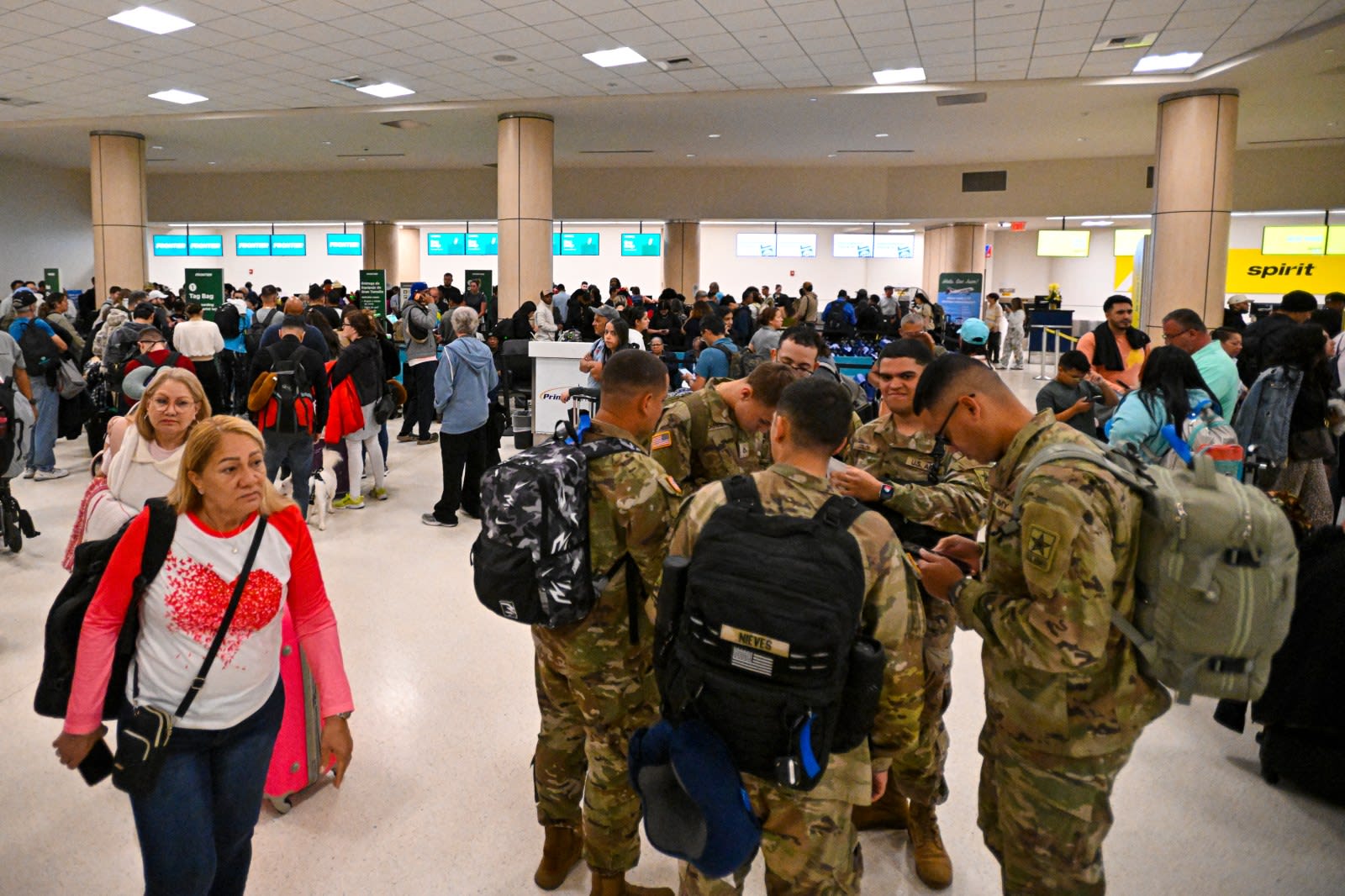
Airports across the region were heavily impacted. These included popular destinations like Aruba, Curaçao, St. Martin, and the US Virgin Islands. Luis Muñoz Marín International Airport in San Juan, Puerto Rico, saw hundreds of inbound and outbound flights canceled on Saturday. This created chaos for thousands of travelers.
US Transportation Secretary Sean Duffy announced on social media that the ban would expire. The Caribbean airspace closure was lifted at midnight Eastern time on Sunday. This allowed commercial flights to resume normal operations.
Airlines Scramble to Add Capacity
Major US air carriers quickly worked to clear the resulting backlog of US tourists stranded across the islands. Airlines added extra flights and used larger aircraft to increase capacity. This was a necessary step to accommodate passengers with canceled flights.
American Airlines was a key player in the recovery effort. The airline added 43 extra flights to the region. This provided nearly 7,000 additional seats for stranded travelers. For the first time in over a decade, American Airlines operated inter-island flights in the Eastern Caribbean. These flights connected Anguilla Wallblake (AXA) and Beef Island (EIS) to San Juan, Puerto Rico. This strategy helped move passengers to the main hub for onward travel to the US mainland.
Delta Air Lines also added significant capacity. The airline provided 2,600 extra seats on supplemental flights by Monday. Delta stated it was working to rebook all affected customers by Tuesday. However, the airline cautioned that delays were still possible. This was due to the increased airline capacity adjustments and crowded airports.
- Key Takeaway: Travelers with confirmed rebooked tickets were advised to arrive three hours early. Those without confirmed tickets were asked to avoid the airport until their booking was finalized.
Passenger Impact and Recovery
Despite the airspace reopening, many American tourists found themselves stuck for days. The sudden airline flight cancellations left many unable to return home as planned. Nydia Han, an anchor for ABC Philadelphia station WPVI, was among those affected. She and her family were stranded in Vieques, Puerto Rico. They were told they could not fly home until Friday.
This event highlights the vulnerability of commercial aviation news and operations to geopolitical events. The FAA's swift action, while necessary for safety, created a massive logistical challenge. Airlines must now manage the complex task of restoring schedules. They are also working to minimize further disruption for passengers. The focus remains on efficiently transporting the remaining stranded travelers home.
Topics
You Might Also Like
Discover more aviation news based on similar topics
Which U.S. Carriers Are Adding Flights After Eastern Caribbean Airspace Reopened?
American Airlines and Delta Air Lines are adding over 9,600 seats and dozens of flights to the Eastern Caribbean after the FAA lifted its airspace closure.

FAA Lifts Caribbean Airspace Curbs: How US Airlines Are Restoring Flights After Venezuela Attack
The FAA lifted Caribbean airspace restrictions at midnight ET following U.S. military action in Venezuela, allowing major U.S. carriers to resume hundreds of canceled flights.
US Military Action in Venezuela Triggers Hundreds of Caribbean Flight Cancellations
The FAA restricted Caribbean airspace due to a US military operation in Venezuela, leading to hundreds of flight cancellations by major airlines like JetBlue and American, disrupting

What is American Airlines planning for its 100th anniversary?
American Airlines launched its centennial celebration plans on January 5, 2026, marking 100 years with a special Boeing 737 livery and fleet-wide decals.
KLM, Air France, Delta Face Chaos: Why Did 366 Flights Cancel Across Europe?
KLM, Emirates, and Delta faced 366 cancellations and 491 delays at Amsterdam Schiphol and other major European hubs due to severe winter weather and operational strain.
FAA Airspace Restrictions: Hundreds of Caribbean Flights Canceled After Venezuela Action
FAA airspace restrictions, linked to US military action near Venezuela, caused hundreds of Caribbean flight cancellations, severely disrupting peak holiday travel.
Never Miss Critical Aviation Updates
Get the top aviation stories delivered to your inbox every morning