FAA Mandates New Radio Altimeter Upgrades to Counter Fresh 5G Spectrum Threat
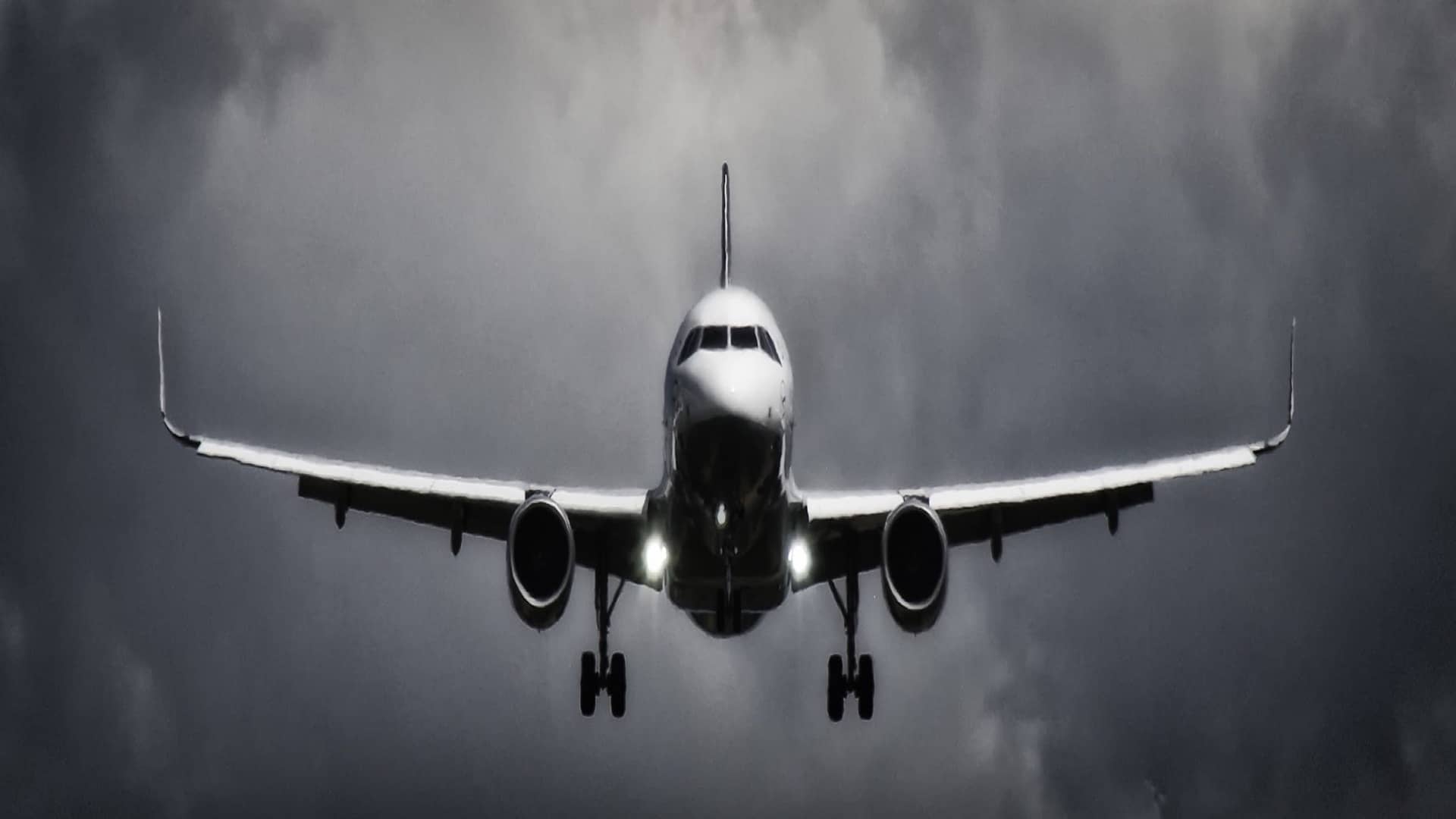
The Federal Aviation Administration (FAA) has proposed a new rule. This rule requires operators to again upgrade aircraft radio altimeters upgrade. The move addresses fresh interference threats from expanding 5G cellular interference. This marks a second major regulatory action on altimeters. The first came just a few years ago. The new FAA radio altimeter standards aim to ensure commercial aviation safety.
The New Spectrum Threat
This proposed rule applies to all aircraft with radio altimeters. It comes as the USA prepares to allocate new radio bandwidth. This new spectrum is known as the Upper C-Band spectrum. This band sits in the 3.98-4.2GHz radio range. This range is much closer to the altimeter's operating frequency. Radio altimeters operate in the 4.2-4.4GHz band. This proximity creates a significant wireless signals interference risk.
Why the 2023 Upgrades Are Insufficient
The aviation industry already completed a major retrofit program. That program addressed the initial Lower C-band deployment. The first 5G rollout used the 3.7-3.98GHz range. The FAA mandated new altimeter specifications in 2023. This was done to mitigate interference risks.
However, the FAA now states those 2023 specifications are insufficient. They cannot handle the unsafe condition created by the Upper C-Band. The new rule requires altimeters to withstand higher-powered wireless signals. They must also tolerate spurious emissions from the new band. Inaccurate altitude readings can compromise flight safety. These readings are critical for landing systems and autopilot functions.
Compliance Deadlines and Financial Impact
The Federal Aviation Administration proposed rule sets clear compliance deadlines. The initial implementation date is expected between 2029 and 2032. This timing aligns with the Federal Communications Commission's (FCC) authorization. The FCC will authorize wireless services in the 3.98-4.2GHz spectrum.
Operators flying under Part 121 rules must comply first. This includes major US airlines. Foreign carriers operating under Part 129 are also included. This applies to aircraft with 30 or more passenger seats. All other equipped aircraft will have two additional years.
Estimated $4.5 Billion Retrofit Cost
This second round of upgrades presents a major financial challenge. The FAA estimates the total cost to retrofit planes. The total undiscounted cost is approximately $4.5 billion. This figure is significantly higher than previous estimates.
Industry groups like IATA have previously criticized the cost burden. They argued the aviation industry was forced to pay for spectrum changes. The FCC, however, is considering ways to help cover the costs. This might include using proceeds from its spectrum auction.
Safety and Operational Concerns
Radio altimeters are essential aviation safety equipment. They measure the aircraft's height above the ground. This data feeds into many critical systems. These include:
- Terrain avoidance systems.
- Traffic warning systems.
- Autoland and autopilot functions.
Anomalous inputs from interference could cause hazardous maneuvers. This is especially true during the final approach and landing phases. The FAA previously received hundreds of reports of potential C-band interference. This highlights the need for robust Part 121 operators compliance. Aircraft manufacturers like Boeing must also ensure new production meets these standards.
The proposed rule is currently open for a public comment period. The FAA will issue a final rule after reviewing all input. This regulatory action is a key development in commercial aviation news and the ongoing challenge of spectrum coexistence. You can read more about this and other industry updates at flying.flights.
Never Miss Critical Aviation Updates
Get the top aviation stories delivered to your inbox every morning