Ghana Pledges Police Protection for Firefighters Amid Rising Assaults

Aviation News Editor & Industry Analyst delivering clear coverage for a worldwide audience.
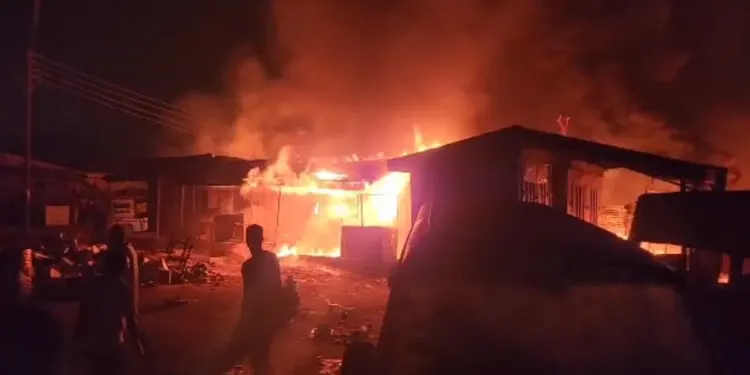
Ghana's government is providing police escorts for firefighters following a surge in public attacks that hinder emergency response and damage equipment.
Key Takeaways
- •Reports 12 cases of assault and vandalism against firefighters in 2024, an increase from 8 in 2023.
- •Initiates police escorts for Ghana National Fire Service crews to prevent future assaults and prosecute offenders.
- •Cites outdated equipment as a cause for response delays, with 53.6% of fire engines reported faulty.
- •Establishes a Health and Safety Fund to support personnel injured in the line of duty.
A recent attack on firefighters at the Kasoa Old Market underscores a dangerous and growing trend of violence against emergency responders in Ghana. Personnel from the Weija Fire Station were reportedly pelted with stones and had their vehicle's windscreen smashed while responding to an inferno, delaying their efforts to control a blaze that ultimately destroyed two container shops. This incident is part of a pattern that saw 12 cases of assault and vandalism against firefighters in 2024, a notable increase from 8 such cases reported in 2023.
The recurring assaults create a perilous working environment and directly impede the ability of the Ghana National Fire Service (GNFS) to protect lives and property. Public frustration, often stemming from perceived delays in response times, has boiled over into violence, as seen in a similar incident in Konongo on February 10, 2024. These attacks have prompted the GNFS to threaten service boycotts in high-risk areas and have forced the government to implement new safety protocols. In 2024 alone, 21 firefighters sustained injuries from these attacks, ranging from fractured ankles to deep cuts.
Government Intervenes with Police Protection
In response to the escalating violence, Ghana's Minister of Interior, Muntaka Mohammed Mubarak, has announced a decisive new policy. Firefighting and rescue teams will now be accompanied by officers from the Ghana Police Service to incident sites to deter potential assailants and ensure the safety of GNFS personnel.
“We are going to enhance the safety of our staff from the national fire service. This is a collaboration with the Ghana Police Service,” the Minister stated. “Anytime our fire fighters move to a fire site or move to a place for rescue, the police will be in their company for those who find it interesting to attack them, will be immediately arrested and prosecuted.”
This measure follows a series of warnings and pleas from officials. The government has condemned the growing trend, which included three separate mob attacks in Ejisu, Konongo, and Mamponteng in early 2025. The Minister has called on community leaders and civil society groups to speak out against such acts and foster respect for emergency responders.
Systemic Issues Fueling Public Frustration
While public aggression is a primary concern, officials acknowledge that systemic challenges within the GNFS contribute to the problem. The Service has faced long-standing criticism over slow response times, which are often linked to severe equipment shortages and logistical hurdles. As of November 2024, a critical 53.6% of the 248 fire engines in Ghana were reported as faulty or out of commission.
Chief Fire Officer (CFO) Daniella Ntow Sapong has reiterated the challenges her personnel face, expressing pride in their achievements despite the constraints. The GNFS has publicly called for an increase in the number of fire stations nationwide and a significant investment in modern equipment to improve operational efficiency and reduce response times.
The financial strain on personnel has also been a major issue. To address this, the GNFS recently launched a Health and Safety Fund to support firefighters who sustain injuries in the line of duty. A GNFS Public Relations Officer highlighted the dire situation, explaining, “When firefighters get injured at the scene of the fire, they use their own resources to take care of themselves and later apply for refund... So, if at that moment you don’t have money, you would have to go and borrow.” The new fund aims to alleviate this burden and provide for the families of personnel who lose their lives while serving.
A Call for Support and Recognition
The government's commitment to retooling the service was emphasized during an event commemorating International Firefighters’ Day (IFFD). Minister Mubarak assured personnel that the government is dedicated to modernizing the GNFS. The event, held under the theme “Appreciating Our Heroes: Say No to Firefighter Assault and Firefighting Truck Vandalism,” also served as a platform to encourage public and private contributions to the new Health and Safety Fund to ensure its sustainability.
The Weija Fire Station Administrator, Divisional Officer (DO) Addo Danso, speaking after the Kasoa attack, detailed how the mob hampered efforts to contain the flames. This direct interference illustrates the immediate consequences of these assaults on the effectiveness of firefighting operations.
Why This Matters
The escalating violence against firefighters in Ghana reflects a critical breakdown in public trust in emergency services. This trend not only endangers the lives of first responders but also directly impacts public safety by delaying fire suppression and rescue efforts. For Ghana, addressing the root causes—including equipment shortages and public perception—is essential to restoring the operational integrity of the GNFS and ensuring community safety.
For global airline trends and commercial aviation news, turn to flying.flights. Track policy changes, airspace rules, and global aviation governance in the Regulatory category at flying.flights/regulatory.
Written by Ujjwal Sukhwani
Aviation News Editor & Industry Analyst delivering clear coverage for a worldwide audience. Covers flight operations, safety regulations, and market trends with expert analysis.
Visit Profile