How Bucharest Airports Maintain Normal Operations Amid Severe Cold Weather

Key Points
- 1Air traffic remains normal at both Henri Coandă and Băneasa Airports as of January 12, 2026.
- 2No flights were canceled due to the extreme cold wave, which saw temperatures drop to minus 15 degrees Celsius in Bucharest.
- 3CNAB utilizes specialized equipment to keep all runways, aprons, and taxiways clear for safe operations.
- 4Minor delays are possible due to mandatory aircraft de-icing procedures, a critical safety measure performed by airlines.
Air traffic in Bucharest is currently operating under winter flight schedule conditions. Authorities confirmed normal air traffic at the capital’s two main hubs. These airports are Henri Coandă International Airport (Otopeni) and Băneasa International Airport. The Bucharest airport operations are unaffected despite a wave of severe cold temperatures.
Operational Resilience and CNAB Response
The Bucharest National Airports Company (CNAB) manages both airport facilities. CNAB confirmed that all runways, aprons, and taxiways remain open. This ensures all necessary conditions for safe passenger travel.
Airport teams are continuously working to maintain movement areas. They use specialized, airport-owned equipment for this task. CNAB has a fleet of multifunctional machines for snow removal and de-icing. These efforts highlight the airport operational resilience during adverse weather.
Aircraft are currently landing and taking off safely. So far, no flights have been canceled due to the current weather conditions. This is a positive sign for European winter travel in the region.
Managing Winter Aviation Challenges
The region is facing an intense cold wave. Meteorologists forecast minimum temperatures dropping to minus 15 degrees Celsius in the capital. The winter aviation challenges are managed efficiently, even with extremely low temperatures.
Officials, however, warn of potential minor delays. These delays are primarily caused by mandatory de-icing procedures. De-icing is a crucial safety step carried out by airlines. It ensures critical aircraft surfaces are free of ice or frost before takeoff. Aviation bodies like EASA and IATA mandate these strict protocols.
- Airlines must perform de-icing after passengers board the aircraft.
- This procedure ensures the safety of flights in severe winter conditions.
- The use of de-icing fluid is essential for aircraft from manufacturers like Airbus and [Boeing] to maintain aerodynamic performance.
This robust response contrasts with disruptions seen elsewhere in Europe. Other major European airports have reported hundreds of flight cancellations due to snow and ice. For the latest commercial aviation news and operational updates, visit flying.flights.
Topics
You Might Also Like
Discover more aviation news based on similar topics

Extreme Cold Strands Tourists: Why European Flight Cancellations Are Spreading
European flight cancellations are stranding thousands of tourists, especially in Finnish Lapland, as extreme cold and snow make Kittilä airport operations exceptionally difficult.

Schiphol Nears Full Recovery After Winter Chaos; Cold Forecast Looms
Amsterdam Airport Schiphol (AMS) flight operations returned to near-normal with only four cancellations Sunday, following a week of severe winter disruption that affected 300,000 KLM passengers.

Why Did Schiphol Cancel Over 3,200 Flights During Europe's Winter Storm?
Amsterdam Schiphol Airport (AMS) cancelled over 3,200 flights in a week due to a fierce winter storm, creating a de-icing bottleneck and widespread European network chaos.
Why Amsterdam Schiphol Flight Cancellations Are Causing European Travel Chaos
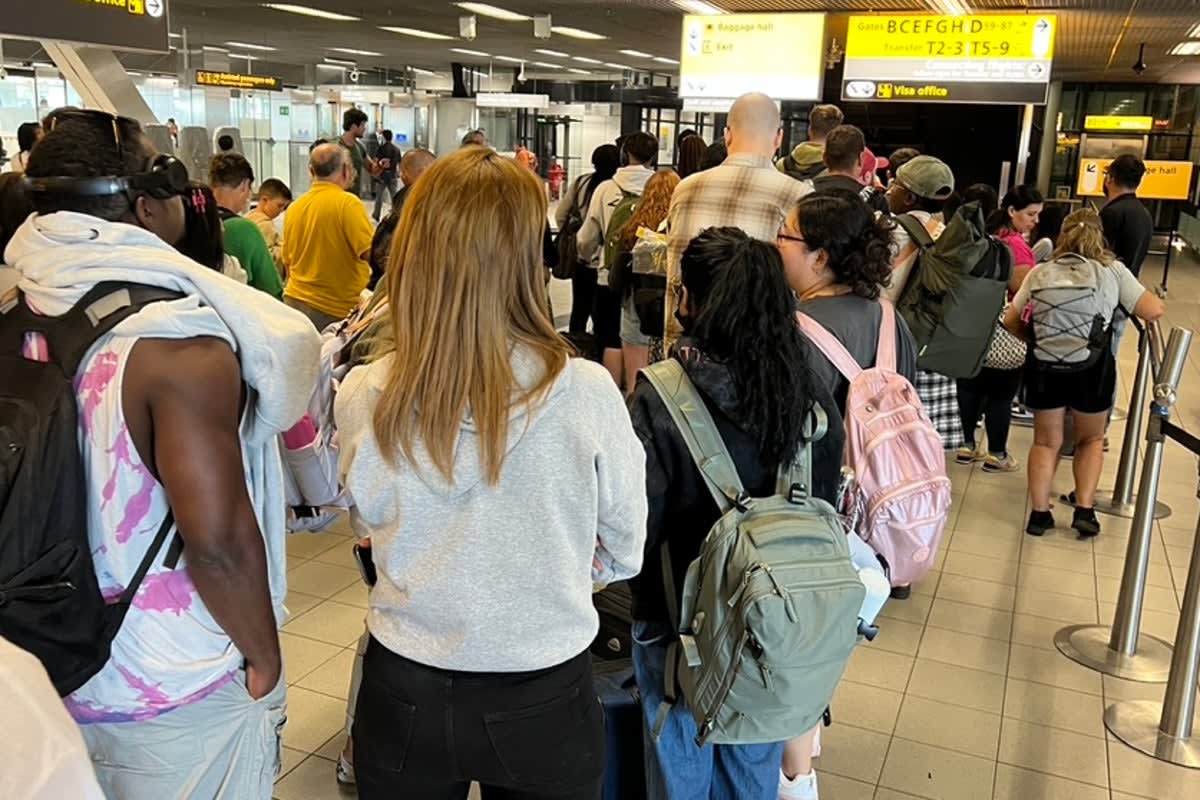
Amsterdam Schiphol Airport (AMS) has cancelled roughly 2,500 flights since Friday due to extreme snow and ice, affecting over 330,000 passengers and major KLM routes.

Heavy ice and sleet force Ronaldsway Airport runway closure on Isle of Man.
Ronaldsway Airport runway is closed due to heavy ice and sleet, causing Isle of Man travel chaos and flight disruption as the Department of Infrastructure also shuts the Mountain Road.
Amsterdam Schiphol Airport Chaos: How a Cold Snap Halted European Air Travel.
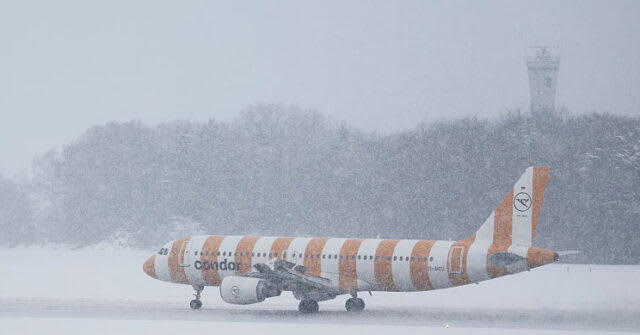
Amsterdam Schiphol Airport faced major operational disruption after a severe European cold snap grounded hundreds of flights, stranding over 1,000 passengers overnight.