New Airlines Alhind Air, FlyExpress Challenge IndiGo's Market Dominance

Aviation News Editor & Industry Analyst delivering clear coverage for a worldwide audience.
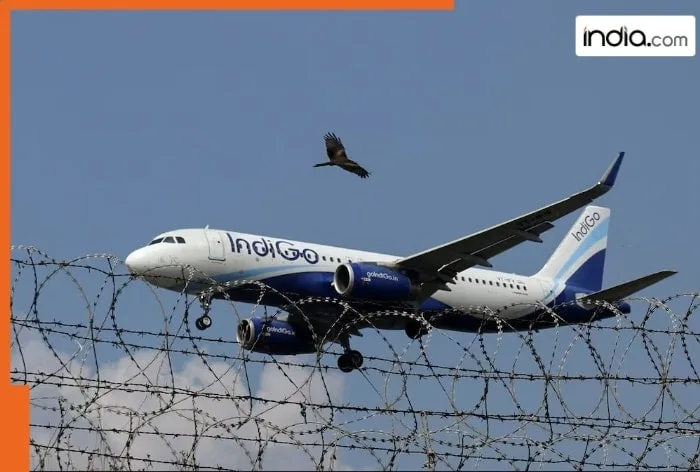
India's government approved No Objection Certificates for Alhind Air and FlyExpress, intensifying competition for dominant carrier IndiGo, which holds a 65% market share.
Key Takeaways
- •Government approved No Objection Certificates (NOCs) for two new airlines, Alhind Air and FlyExpress, to boost competition.
- •The move aims to challenge IndiGo's 65% domestic market share following a recent crisis involving thousands of flight cancellations.
- •Aviation Turbine Fuel (ATF) remains the largest cost for Indian airlines, accounting for 30-40% of operating expenses due to high state-level taxes.
- •New carriers, including Shankh Air, will initially focus on regional routes, supporting the country's UDAN connectivity scheme.
India’s domestic aviation sector is undergoing a significant shift. The government is actively working to promote new airlines India competition. This move follows recent widespread flight cancellations at the country's largest carrier, IndiGo. IndiGo currently controls approximately 65% of the domestic market.
Learning from the immense passenger inconvenience, the government is intensifying efforts. Their goal is to provide more choices for domestic air travel options. The Ministry of Civil Aviation believes the Indian aviation market growth can support at least five major airlines. Currently, IndiGo and the Air India Group dominate the sector, together holding over 90% of the market.
Government's Push for Competition
Union Aviation Minister Ram Mohan Naidu confirmed the government's support for new entrants. He recently met with teams from several new carriers. This week, the Ministry issued No Objection Certificates (airline No Objection Certificates) to two airlines: Alhind Air and FlyExpress.
Another new entity, Shankh Air, had already received its NOC. The Minister stated the government wants to promote as many airlines as possible. This push is a direct response to the need for greater market resilience. The recent operational crisis at IndiGo highlighted the risks of relying on a single dominant carrier.
New Entrants and Regional Focus
The new airlines are expected to focus on enhancing regional air travel. Alhind Air, for example, is promoted by the Kerala-based Alhind Group. It plans to begin operations using ATR 72-600 aircraft. This focus aligns with the government’s UDAN scheme. Schemes like UDAN help smaller carriers like Star Air and Fly91 play a crucial role. They boost regional connectivity UDAN across the country.
Structural Challenges for Indian Airlines
While the market is expanding, new entrants face a difficult environment. India remains one of the world's fastest-growing aviation markets. However, high operating costs Indian airlines must manage are among the highest globally.
Industry bodies and airline officials continue to call for cost rationalization. The primary issue is the high price and taxation of jet fuel. Aviation Turbine Fuel (ATF) is not included under the national GST framework. This leaves airlines exposed to high state-level VAT and other levies.
- Fuel Cost Burden: ATF accounts for 30-40% of an airline's total operating expenses.
- Taxation Disadvantage: High state VAT on ATF creates a structural disadvantage for Indian carriers.
Senior airline officials stress that air travel is no longer a luxury. Rationalizing taxes is necessary to ensure long-term viability. The cost-prohibitive environment is a major factor in past airline closures. The Directorate General of Civil Aviation (DGCA) must balance safety rules with market growth. The regulator recently had to address the fallout from IndiGo's mass DGCA flight cancellations.
Despite the challenges, the market opportunity is significant. Domestic passenger traffic is projected to grow by 7-10% in the current fiscal year. The entry of Alhind Air and FlyExpress signals a new era. It promises increased competition and more choices for passengers across India.
flying.flights provides comprehensive commercial aviation news covering airlines, aircraft, and airports.
Written by Ujjwal Sukhwani
Aviation News Editor & Industry Analyst delivering clear coverage for a worldwide audience. Covers flight operations, safety regulations, and market trends with expert analysis.
Visit ProfileYou Might Also Like
Discover more aviation news based on similar topics

EASA Issues New Maintenance Directive for Airbus BelugaXL Fleet
EASA has issued a new airworthiness directive for the Airbus A330-743L BelugaXL fleet, mandating updated structural integrity inspection schedules.

CBI Seeks to Close Air India Aircraft Leasing Irregularities Case
India's CBI has filed a closure report in the Air India aircraft leasing case, concluding no criminal intent was found in the long-running investigation.

US Airlines Fear EU-Wide Impact from Dublin Airport Cap Ruling
US airlines warn an EU court ruling on Dublin's passenger cap could allow planners across the bloc to unilaterally restrict airport capacity.

House Rejects ROTOR Act Mandating Aircraft Locator Systems
The U.S. House failed to pass the ROTOR Act, a bill requiring collision avoidance systems on all aircraft following last year's fatal midair collision.

US Eliminates 10% Tariff on Brazilian Aircraft Exports After Court Ruling
The US has eliminated a 10% tariff on Brazilian aircraft, a move that levels the playing field for manufacturer Embraer against its global competitors.
DGCA Issues Strict Safety Mandates for Indian Charter Operators
India's DGCA has issued stringent new safety mandates for non-scheduled operators, enforcing a zero-tolerance policy and prioritizing pilot authority.