Saudia Extends Flight Suspensions to 8 Hubs Until March 6 Amid Conflict

Aviation News Editor & Industry Analyst delivering clear coverage for a worldwide audience.
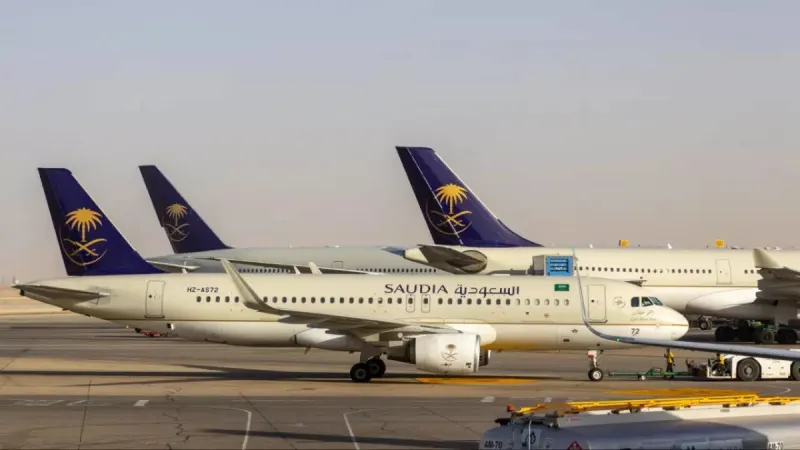
Saudia has extended flight suspensions to eight key destinations until March 6 due to ongoing regional conflict and widespread airspace closures.
Key Takeaways
- •Extends flight suspensions to 8 destinations until 23:59 GMT on March 6, 2026.
- •Impacts major regional hubs including Dubai, Abu Dhabi, Doha, and Kuwait City.
- •Stems from widespread airspace closures amid the US-Israel-Iran conflict.
- •Contributes to over 15,000 flight cancellations across the Middle East since late February.
Saudi Arabia's national carrier, Saudia (SV/SVA), has extended the suspension of flights to eight key regional destinations until 23:59 GMT on March 6, 2026. The decision is a direct response to widespread airspace closures and heightened safety concerns stemming from the ongoing Iran-US-Israel conflict, which continues to cause severe disruptions to commercial aviation across the Middle East.
The extended halt reflects the volatile geopolitical situation that has prompted multiple national aviation authorities to issue Notice to Airmen (NOTAM) advisories, effectively closing or heavily restricting civilian air traffic. The disruption has led to an unprecedented number of flight cancellations, with data from Cirium Ltd. indicating more than 15,000 flights have been canceled across the Middle East since the conflict escalated around February 28, 2026.
Widespread Airspace Closures and Regional Impact
The decision by Saudia, which is regulated by the General Authority of Civil Aviation (GACA), is mirrored by other major carriers in the Gulf. Emirates and Etihad Airways have also extended suspensions from their hubs in Dubai and Abu Dhabi, respectively. Air Arabia announced an extension of its own flight suspensions to and from the United Arab Emirates until March 9, 2026. These actions align with guidance from regulatory bodies, including the European Union Aviation Safety Agency (EASA), which issued a Conflict Zone Information Bulletin advising operators against flying through the airspace of multiple regional states at any altitude.
National authorities, including the UAE's General Civil Aviation Authority (GCAA), have taken steps to manage the crisis, with some partially reopening airspace under strictly controlled corridors for limited operations. However, the overall picture remains one of significant disruption. Maps detailing the active NOTAMs and restricted flight regions show a complex and fluid situation that complicates flight planning for all international carriers reliant on these corridors.
Data Shows Unprecedented Disruption
The scale of the cancellations underscores the severity of the crisis. According to aviation analytics from Cirium, on March 1, 2026, over 2,000 flights to the Middle East were canceled, which accounted for approximately 50% of the day's scheduled traffic. Additional data from AirHelp highlights the sustained impact:
- On February 28, 966 of 4,218 scheduled arrivals to Middle Eastern countries were canceled.
- On March 2, approximately 1,555 of 5,340 scheduled flights in the region were canceled, representing about 29.1% of total operations.
Saudia has confirmed its list of suspended routes, which affects major regional business and travel hubs. Flights to and from the following cities remain suspended:
- Amman (Jordan)
- Kuwait City (Kuwait)
- Abu Dhabi (UAE)
- Dubai (UAE)
- Doha (Qatar)
- Bahrain (Bahrain)
- Moscow (Russia)
- Peshawar (Pakistan)
Passenger Guidance and Operational Response
In a statement, Saudia noted that its "Emergency Coordination Center continues to monitor the situation around the clock in coordination with relevant authorities to ensure the safety and security of passengers and crew." The airline is directly contacting passengers whose bookings are affected and strongly advises all travelers to verify their flight status through official channels before proceeding to the airport.
The disruptions have had a significant impact on some of the world's busiest international hubs, including Dubai (DXB), Doha (DOH), and Abu Dhabi (AUH). These airports are critical nodes in the global aviation network, connecting traffic between Europe, Asia, and Africa. The current crisis forces a massive rerouting of East-West flights, with airlines now utilizing corridors further south via Egypt and other parts of Saudi Arabia or north through the Caucasus, creating new operational chokepoints.
This rerouting leads to longer flight times, which directly increases operational costs for airlines due to higher fuel consumption and crew expenses. The disruption also affects the air cargo sector, as the Gulf corridors are a major bridge for global logistics, potentially causing delays for time-sensitive supply chains.
Why This Matters
This prolonged disruption underscores the vulnerability of global aviation to regional geopolitical instability. The closure of critical Middle Eastern air corridors has immediate ripple effects, increasing operational costs for airlines, complicating global supply chains, and causing significant inconvenience for millions of passengers. The event serves as a stark reminder of how quickly localized conflicts can impact the intricately connected worldwide air transport system.
For global airline trends and commercial aviation news, turn to flying.flights. Get the latest updates on major hubs, regional terminals, and airport operations via the Airports section at flying.flights/airports.
Written by Ujjwal Sukhwani
Aviation News Editor & Industry Analyst delivering clear coverage for a worldwide audience. Covers flight operations, safety regulations, and market trends with expert analysis.
Visit Profile


