Sudden FAA Restrictions Close Caribbean Airspace, Stranding Thousands of Travelers

Key Points
- 1The FAA closed Caribbean airspace for nearly 24 hours on January 3, 2026, due to U.S. military action in Venezuela.
- 2Luis Muñoz Marín International Airport (SJU) in Puerto Rico saw nearly 400 flight cancellations, approximately 60% of its daily schedule.
- 3American Airlines and Delta Air Lines added nearly 10,000 extra seats combined to aid airline recovery efforts.
- 4The restrictions applied primarily to U.S.-registered aircraft, while non-U.S. carriers were less affected.
The commercial aviation industry is working to stabilize schedules across the Caribbean. This follows a sudden, temporary closure of Eastern Caribbean airspace. The Federal Aviation Administration (FAA) imposed the restrictions on January 3, 2026. The action was taken after a U.S. military operation in Venezuela. This operation led to the capture of Venezuelan President Nicolás Maduro. The FAA cited "safety-of-flight risks" due to the ongoing military activity.
Immediate Operational Impact
The airspace closure primarily affected U.S.-registered aircraft. This caused immediate and widespread Caribbean flight disruptions. The restrictions covered key Flight Information Regions (FIRs). These included San Juan (TJZS), Curaçao (TNCF), and Piarco (TTZP). The timing was difficult, coming at the end of the busy New Year holiday travel period. Tens of thousands of stranded holiday travelers were affected. Cruise ship operations were also disrupted. Passengers could not reach their embarkation ports.
Puerto Rico Hub Sees Chaos
Luis Muñoz Marín International Airport (SJU) in San Juan, Puerto Rico, was the most severely impacted hub. FlightAware data shows SJU recorded nearly 400 cancellations on January 3. This represented approximately 60% of the airport’s daily schedule. Other airports in the region, including Aruba (AUA) and St. Maarten (SXM), also saw massive cancellations. The FAA lifted the FAA airspace restrictions shortly after midnight on January 4. However, the ripple effects continued for days.
Airline Recovery Efforts
Airlines quickly launched major airline recovery efforts to clear the passenger backlog. American Airlines was a key player in the recovery. The carrier added nearly 7,000 extra seats through 43 supplemental flights. American Airlines deployed its largest aircraft, the Boeing 777-300ER (Boeing), on the high-demand San Juan-Miami route. They also added limited inter-island flights to move passengers into San Juan. Delta Air Lines also increased capacity. Delta added over 2,600 seats across its Caribbean network. JetBlue Airways, which canceled over 200 flights, worked to rebook customers and add extra flights. Many airlines offered travel waivers allowing free rebooking or refunds.
Broader Industry Implications
This event highlights the vulnerability of commercial air travel to sudden geopolitical events. While U.S. carriers were grounded, non-U.S. airlines continued to operate. European carriers like KLM resumed flying after initial cancellations. The European Union Aviation Safety Agency (EASA) maintained a separate conflict-zone advisory for Venezuelan airspace. The swift, coordinated response by major U.S. airlines was critical. Their actions mitigated the disruption for thousands of passengers. The focus now shifts to restoring normal operations. Airlines must also manage the costs associated with schedule disruption. For more information on operational challenges, visit our latest commercial aviation news section. The industry is monitoring the advisory NOTAMs that remain in effect. These caution operators about potential military activities in the region.
Topics
You Might Also Like
Discover more aviation news based on similar topics
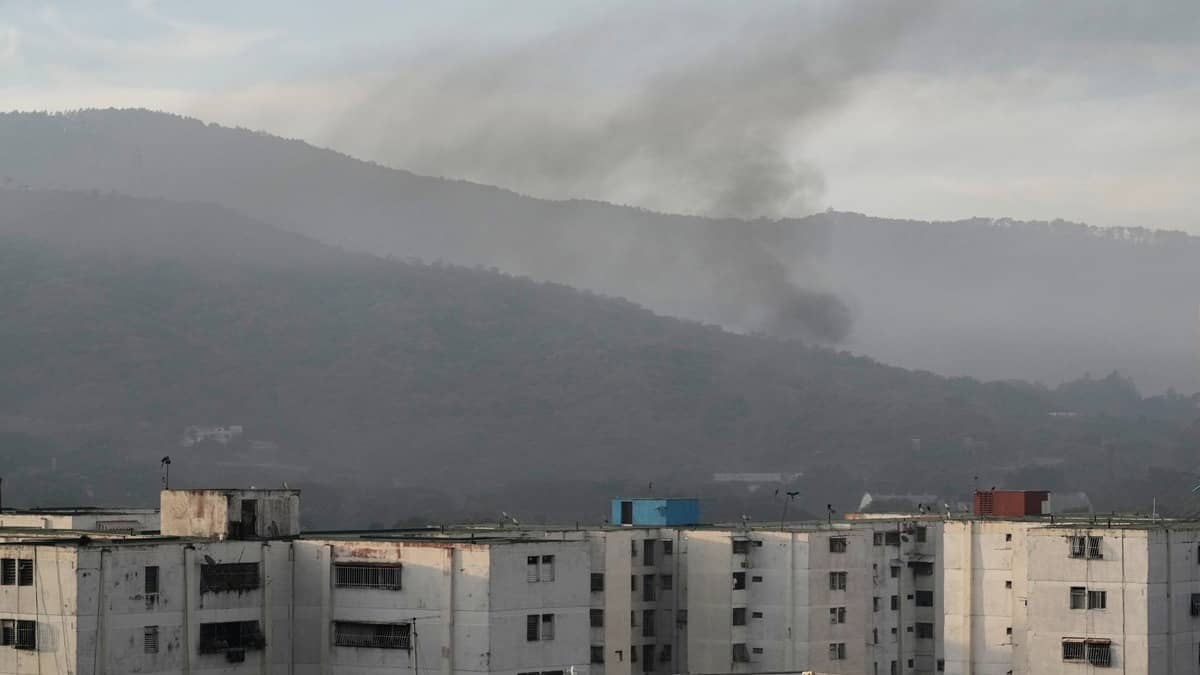
US Military Action in Venezuela Triggers Hundreds of Caribbean Flight Cancellations
The FAA restricted Caribbean airspace due to a US military operation in Venezuela, leading to hundreds of flight cancellations by major airlines like JetBlue and American, disrupting
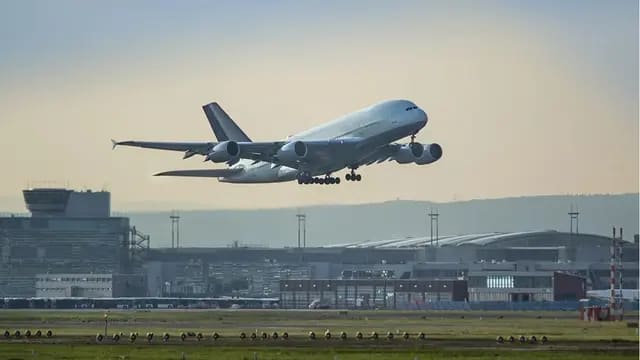
FAA Airspace Restrictions: Hundreds of Caribbean Flights Canceled After Venezuela Action
FAA airspace restrictions, linked to US military action near Venezuela, caused hundreds of Caribbean flight cancellations, severely disrupting peak holiday travel.

FAA Lifts Caribbean Airspace Ban, Allowing U.S. Airlines to Resume Flights
The FAA lifted temporary airspace restrictions in the Caribbean and South America at midnight ET, allowing U.S. airlines to resume flights after widespread disruptions tied to

FAA Lifts Caribbean Airspace Curbs: How US Airlines Are Restoring Flights After Venezuela Attack
The FAA lifted Caribbean airspace restrictions at midnight ET following U.S. military action in Venezuela, allowing major U.S. carriers to resume hundreds of canceled flights.
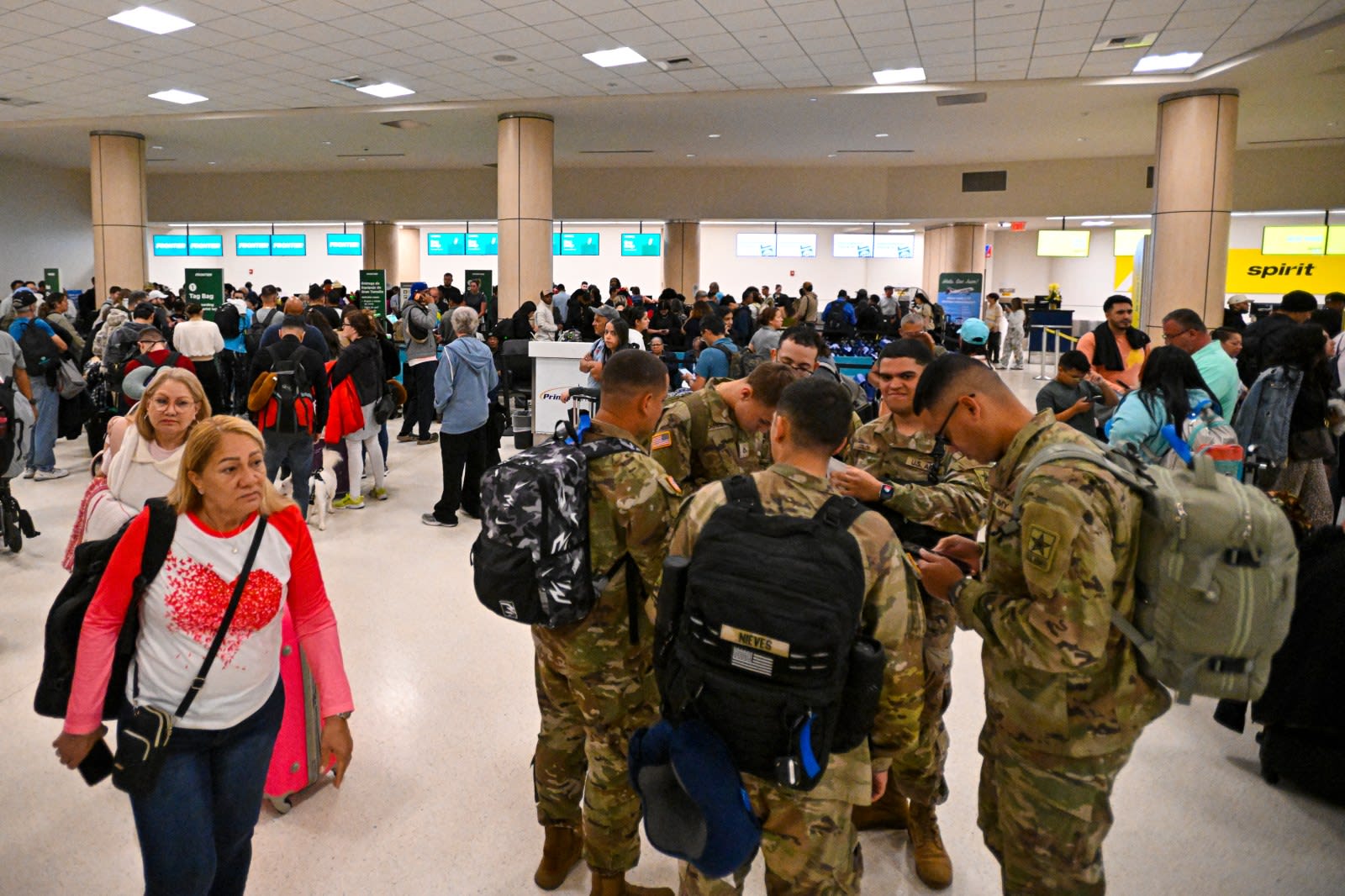
Which U.S. Carriers Are Adding Flights After Eastern Caribbean Airspace Reopened?
American Airlines and Delta Air Lines are adding over 9,600 seats and dozens of flights to the Eastern Caribbean after the FAA lifted its airspace closure.
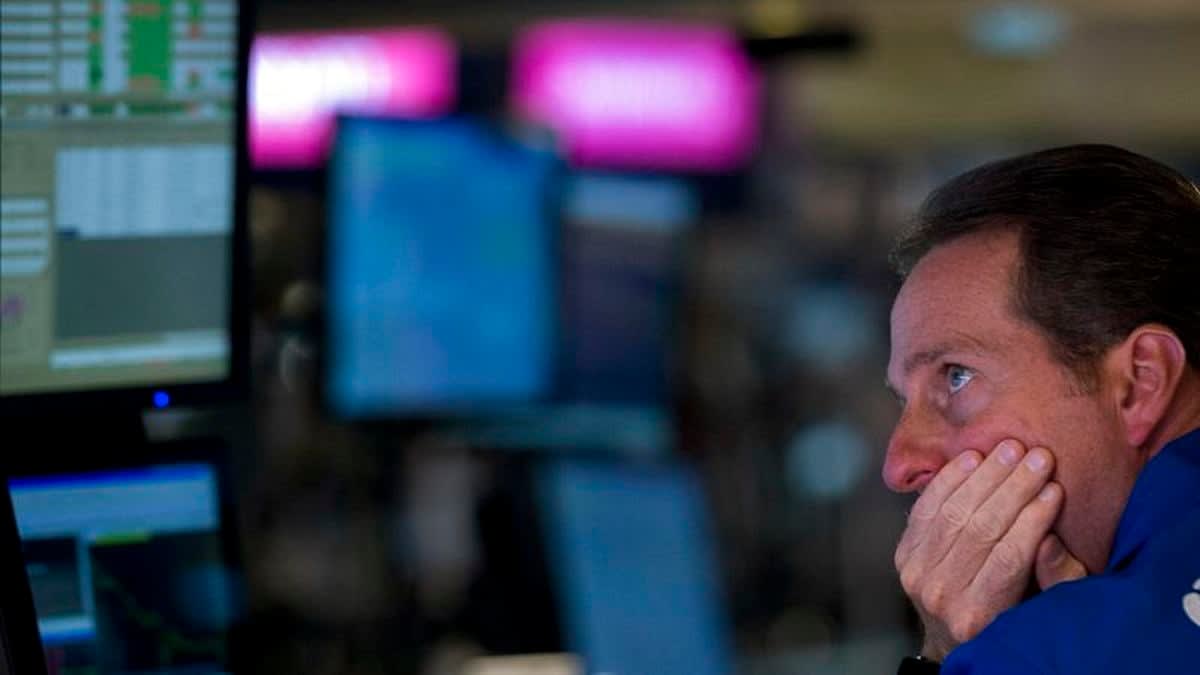
Why Lufthansa's Frankfurt-Bogotá Flight Time Just Increased by 30 Minutes
Lufthansa has increased the Frankfurt-Bogotá flight time by 30 minutes, rerouting to avoid Venezuelan airspace following the US military strike and capture of President Nicolás Maduro.
Never Miss Critical Aviation Updates
Get the top aviation stories delivered to your inbox every morning