Switzerland's New SAF Mandate Shakes Up Fuel Supply at Zurich and Geneva

Aviation News Editor & Industry Analyst delivering clear coverage for a worldwide audience.
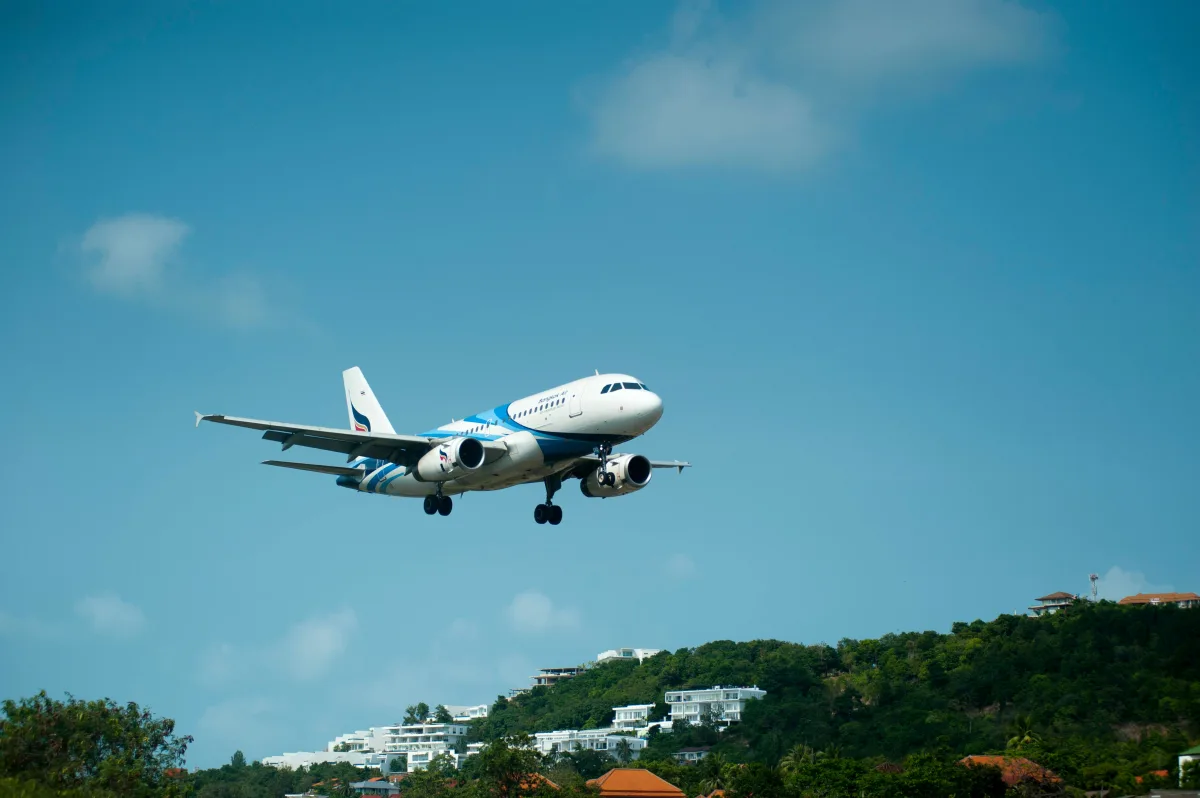
Switzerland adopted ReFuelEU Aviation on January 1, 2026, requiring fuel suppliers at Zurich and Geneva airports to ensure a minimum 2% Sustainable Aviation Fuel blend, with a 70% target by 2050.
Switzerland officially adopted the ReFuelEU Aviation Regulation on January 1, 2026. This landmark decision aligns Swiss aviation with the European Union’s decarbonisation strategy. The move mandates the use of Sustainable Aviation Fuel (SAF) at the country’s two major hubs. This new framework is a key part of Switzerland's revised CO₂ Act.
Mandate Details for Zurich and Geneva Airports
The regulation places binding obligations on several key stakeholders. Aviation fuel suppliers at Zurich Airport and Geneva Airport must comply with the new rules.
Key Blending Targets
The initial 2% SAF blend 2026 requirement is now in effect. This minimum share will increase progressively over the coming decades. The ultimate goal is a 70% SAF target 2050. This ambitious long-term target mirrors the EU's commitment to reducing aviation's carbon footprint. Furthermore, the regulation includes a sub-mandate for synthetic aviation fuels (eSAF). This specific mandate starts at 1.2% by 2030, rising to 35% by 2050.
- 2% Minimum SAF: Starts January 1, 2026
- 6% Minimum SAF: Required by 2030
- 70% Minimum SAF: Required by 2050
Impact on Airlines and Fuel Suppliers
This adoption ensures a level playing field for airlines and airports across Europe. The Swiss Federal Office of Civil Aviation (FOCA) is the competent authority overseeing compliance.
The 90% Fuel Uplift Rule
Airlines operating from Zurich and Geneva are now subject to the 90% fuel uplift rule. This measure aims to prevent “fuel tankering.” Tankering is the practice of carrying excess fuel to avoid refueling at airports with higher fuel prices. This practice increases aircraft weight and, consequently, carbon emissions. The new rule mandates that operators must refuel at least 90% of their annual fuel needs at these airports or designated EU airports.
Compliance and Penalties
Non-compliance carries significant financial penalties. Fuel suppliers face a penalty equivalent to twice the price gap between SAF and fossil jet fuel for any shortfall. This financial risk is designed to incentivise immediate investment and compliance. All collected penalties are earmarked to support the expansion of SAF production challenges and adoption.
The SAF Supply Chain Challenge
While the mandate provides regulatory certainty, significant challenges remain. The current global supply of SAF is limited. Its cost is also substantially higher than conventional jet fuel. Industry experts warn that a "wait-and-see" approach is a big mistake. Early movers are expected to secure better pricing and supply.
- Cost Pressure: Blended fuel is typically more expensive, affecting airline operating costs.
- Supply Chain: Developers need long-term offtake agreements by 2026 for new projects to start by 2030.
- Infrastructure: Airports must facilitate access to the minimum SAF quotas.
This alignment with the European Union Fit for 55 package solidifies Switzerland’s role in aviation decarbonisation. It sends a strong signal to investors to scale up SAF production and clean aviation technologies. This regulatory push is crucial for the industry to meet its net-zero carbon emissions goal by 2050, a target adopted by the International Civil Aviation Organization (ICAO).
Stay ahead of the airline industry with commercial aviation news from flying.flights.
From aircraft production to supply chains, commercial aviation manufacturing news is covered at flying.flights/manufacturing.
Written by Ujjwal Sukhwani
Aviation News Editor & Industry Analyst delivering clear coverage for a worldwide audience. Covers flight operations, safety regulations, and market trends with expert analysis.
Visit ProfileYou Might Also Like
Discover more aviation news based on similar topics

Nigeria Considers Foreign Carrier Curbs to Boost Local Airlines
Nigeria is reportedly considering restricting foreign airline access to its primary hubs to foster growth for domestic carriers in international markets.

EASA Issues New Maintenance Directive for Airbus BelugaXL Fleet
EASA has issued a new airworthiness directive for the Airbus A330-743L BelugaXL fleet, mandating updated structural integrity inspection schedules.

CBI Seeks to Close Air India Aircraft Leasing Irregularities Case
India's CBI has filed a closure report in the Air India aircraft leasing case, concluding no criminal intent was found in the long-running investigation.

US Airlines Fear EU-Wide Impact from Dublin Airport Cap Ruling
US airlines warn an EU court ruling on Dublin's passenger cap could allow planners across the bloc to unilaterally restrict airport capacity.

House Rejects ROTOR Act Mandating Aircraft Locator Systems
The U.S. House failed to pass the ROTOR Act, a bill requiring collision avoidance systems on all aircraft following last year's fatal midair collision.

US Eliminates 10% Tariff on Brazilian Aircraft Exports After Court Ruling
The US has eliminated a 10% tariff on Brazilian aircraft, a move that levels the playing field for manufacturer Embraer against its global competitors.