United 787-9 Makes Emergency Landing at LAX After Engine Fire

Aviation News Editor & Industry Analyst delivering clear coverage for a worldwide audience.
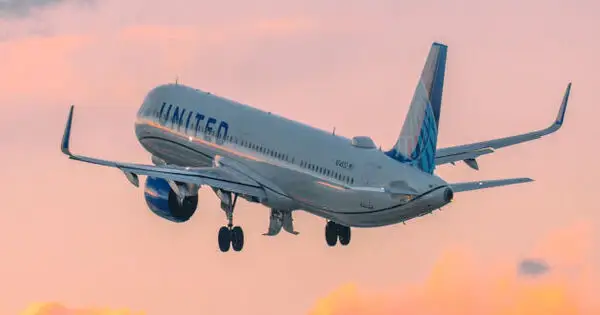
A United Airlines Boeing 787-9 returned to LAX after an engine fire, leading to an emergency evacuation of all 268 passengers and crew via slides.
Key Takeaways
- •Returned to LAX shortly after takeoff due to a reported engine fire.
- •Evacuated 256 passengers and 12 crew members using emergency slides.
- •Triggered a 30-minute FAA ground stop at Los Angeles International Airport.
- •Prompted an official investigation by the Federal Aviation Administration.
A United Airlines Boeing 787-9 Dreamliner, operating as Flight 2127, executed an emergency landing at Los Angeles International Airport (LAX) on Monday, March 2, 2026, following a reported in-flight engine fire. The United Airlines engine fire prompted a full emergency evacuation of all 268 people on board and triggered a temporary, airport-wide ground stop.
The incident highlights the effectiveness of modern crew training and emergency response protocols in managing a serious aviation safety incident. While an in-flight fire represents a significant risk, the coordinated effort between the flight crew, air traffic control, and ground emergency services at LAX prevented any serious injuries. The subsequent investigation by the Federal Aviation Administration (FAA) will be crucial for determining the root cause of the engine malfunction.
Incident Timeline and Response
United Flight 2127 was en route from Los Angeles (LAX) to Newark, New Jersey (EWR) when the incident occurred. According to data from flight tracker FlightAware, the aircraft departed LAX at approximately 10:43 a.m. local time. Shortly after takeoff, the crew reported a possible engine fire and made the decision to return to the airport. The Boeing 787-9 incident concluded with a safe landing back at LAX at approximately 11:19 a.m., just 36 minutes after its departure.
Upon landing, emergency crews from the Los Angeles Fire Department (LAFD), who were on standby, immediately responded to the aircraft. Firefighters brought the situation under control within an hour of landing. Following the successful firefighting effort, a full evacuation was commanded. United Airlines confirmed in a statement that 256 passengers and 12 crew members deplaned. A spokesperson noted, "Customers deplaned via slides and airstairs and were bused to the terminal. We're working to get our customers to their final destinations."
Regulatory and Airport Impact
To ensure safety on the airfield during the emergency, the FAA issued a Ground Stop for all flights at LAX. This directive halted all takeoffs and landings for approximately 30 minutes, causing delays for numerous other flights at one of the world's busiest airports. The FAA has also confirmed it will lead the formal inquiry into the event. "The FAA will be investigating the incident to determine the cause of the possible engine fire," the agency stated. These investigations are comprehensive, typically involving a detailed review of the aircraft's maintenance history, flight data recorders, and a physical examination of the affected engine.
Aircraft and Safety Systems Context
The aircraft involved in the LAX emergency landing was a Boeing 787-9, a stretched variant of the technologically advanced Dreamliner family. Modern jet engines on these aircraft are equipped with sophisticated sensors that provide pilots with real-time performance data, allowing for early detection of potential issues. This technology is a key component of in-flight engine malfunction response.
The successful outcome also underscores the importance of recurrent training in emergency evacuation procedures. Airline crews regularly practice and are tested on their ability to manage evacuations. The orderly deplaning of over 250 passengers using emergency slides and stairs in a high-stress environment is a direct result of this rigorous and standardized training, which is a cornerstone of aviation safety incidents protocol.
What Comes Next
The immediate next step is the formal investigation led by the FAA. Its findings will be critical for understanding the cause of the failure and may lead to airworthiness directives or updated maintenance procedures for other operators of the aircraft type. The specific aircraft involved in the incident will remain out of service indefinitely, pending a thorough inspection and any required repairs or component replacements. In the meantime, United Airlines is focused on reaccommodating the 256 affected passengers on other flights to their final destinations.
Why This Matters
This event serves as a critical real-world test of the aviation industry's multi-layered safety system, encompassing aircraft design, crew training, air traffic control protocols, and airport emergency response. The successful management of a potentially catastrophic engine fire with no serious injuries demonstrates the overall robustness of these systems. For the broader industry, the findings from the FAA's investigation will be closely monitored for any implications regarding engine maintenance or operational procedures for the widely-used Boeing 787 platform.
flying.flights provides comprehensive commercial aviation news covering airlines, aircraft, and airports. For airline finances, mergers, and industry strategy, visit the Business category at flying.flights/business.
Written by Ujjwal Sukhwani
Aviation News Editor & Industry Analyst delivering clear coverage for a worldwide audience. Covers flight operations, safety regulations, and market trends with expert analysis.
Visit Profile