What Breakthroughs Will Drive Hydrogen Aviation's Electric Era of Flight?

Aviation News Editor & Industry Analyst delivering clear coverage for a worldwide audience.
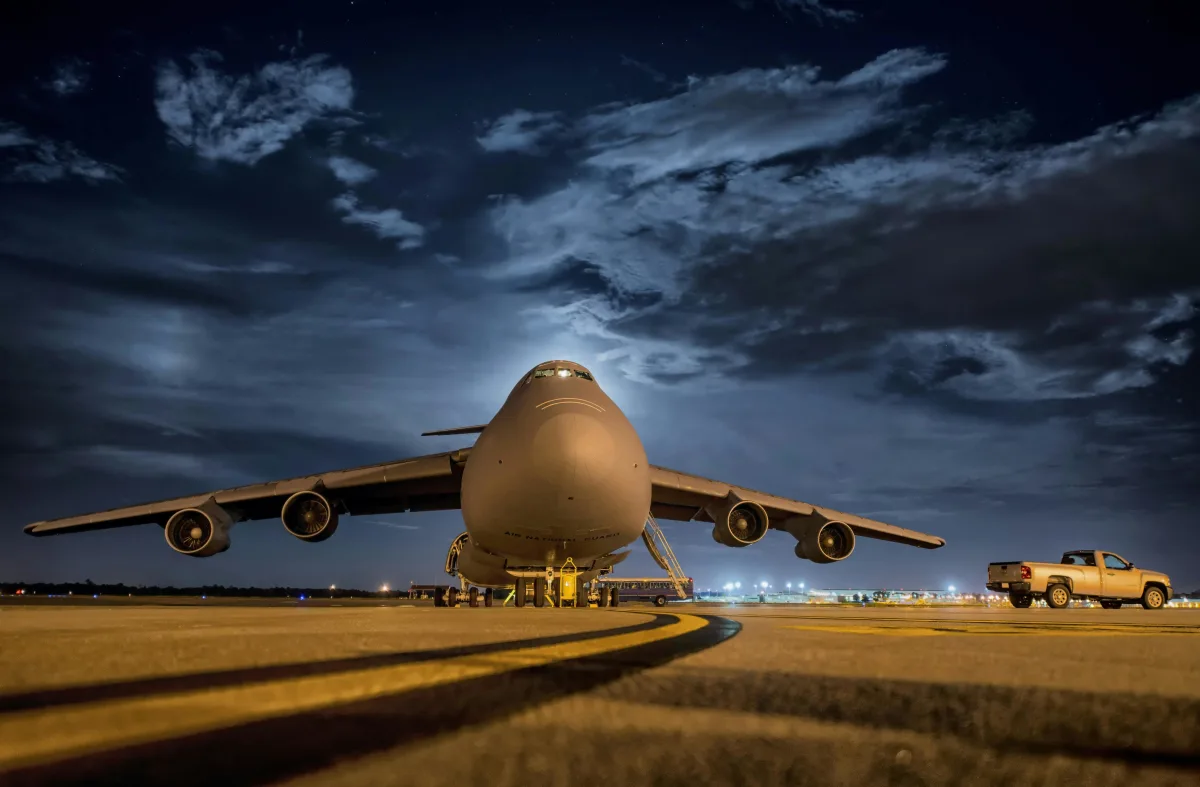
The 6th Annual Hydrogen Aviation Summit, held virtually January 27-28, 2026, explores technological breakthroughs and challenges in the shift to the electric era of flight.
Key Takeaways
- •The 6th Annual Hydrogen Aviation Summit, hosted by ZeroAvia, focuses on hydrogen as the core of aviation's “third propulsion revolution” and the shift to the electric era of flight.
- •Hydrogen aircraft market growth is projected to be significant, with some forecasts showing the market expanding to over $5 billion by 2034, driven by decarbonization mandates.
- •A primary challenge is the establishment of extensive, compatible ground infrastructure, including cryogenic storage and new distribution logistics for liquid hydrogen at airports.
- •Discussions highlight the need for harmonized safety certification protocols and for airports to become integrated energy hubs to support the new fuel ecosystem.
The commercial aviation industry is meeting virtually for the 6th Annual Hydrogen Aviation Summit on January 27–28, 2026. This major event, presented by ZeroAvia, focuses on the global shift toward the electric era of flight. Industry leaders view this transition as aviation's “third propulsion revolution.”
This year’s summit agenda is designed to uncover the roadmaps, challenges, and hydrogen technological breakthroughs driving this change. Discussions cover a wide range of topics. These include technical deep-dives into fuel cell advancements. The summit also addresses the complex regulatory and infrastructure hurdles.
Market Dynamics and Growth
Global mandates for decarbonization of air travel are driving the market. The hydrogen-powered aircraft development market is expanding quickly. One report projects the market size, valued at $501.6 million in 2025, will grow to $5,650.0 million by 2034. This represents a compound annual growth rate (CAGR) of 29.1%. Another forecast suggests the market could reach $28.89 billion by 2034. This growth is supported by increasing investments in hydrogen programs.
As of 2025, data from the International Air Transport Association (IATA) indicated that at least 35 airlines were publicly involved in hydrogen development projects. This signals a significant institutional shift. The transition is also fueled by the need to reduce exposure to volatile fossil fuel costs.
Challenges for Airport Hydrogen Ecosystems
While aircraft technology advances, the greatest hurdle remains ground infrastructure. The summit is dedicating sessions to the challenges of building airport hydrogen ecosystems. Liquid hydrogen (LH2) is needed for commercial flight. This fuel must be stored at extremely cold, cryogenic temperatures.
Key infrastructure challenges include:
- Storage and Handling: New specialized facilities are required for safe storage and handling of LH2.
- Volume and Logistics: Hydrogen requires four times the volume of conventional jet fuel for the same energy. This demands new logistics for delivery, such as dedicated pipelines or increased tanker traffic.
- Energy Hubs: Airports must transition from simple transit points to integrated energy hubs. This may involve co-locating hydrogen production facilities on-site.
Regulatory and Safety Hurdles
Regulatory uncertainty is a major obstacle to commercial deployment. The industry must establish fully harmonized safety certification protocols. Regulators like the European Union Aviation Safety Agency (EASA) are collaborating with industry groups. Their goal is to ensure infrastructure and surrounding regulation are fit for purpose. Early trials are focusing on safely getting the fuel airside for operational use.
Technological Breakthroughs and Opportunities
Companies like ZeroAvia are pioneering hydrogen-electric powertrains. These are designed for regional aircraft carrying 10–80 seats. The focus is on achieving higher power-to-weight ratios. Advances in cryogenic storage and fuel-cell systems are key factors. These innovations are expected to lead to lower operating costs for airlines.
Major manufacturers, including Airbus, are actively developing hydrogen-powered aircraft. The summit is exploring how these future of sustainable aviation initiatives can be scaled. The goal is to meet the industry’s long-term environmental targets.
For in-depth airline coverage and commercial aviation news, flying.flights delivers timely industry insights.
Get the latest updates on major hubs, regional terminals, and airport operations via the Airports section at flying.flights.
Written by Ujjwal Sukhwani
Aviation News Editor & Industry Analyst delivering clear coverage for a worldwide audience. Covers flight operations, safety regulations, and market trends with expert analysis.
Visit ProfileYou Might Also Like
Discover more aviation news based on similar topics

TRU's Citation Ascend Simulator Gains FAA Level D Qualification
TRU Simulation's Cessna Citation Ascend simulator has received FAA Level D qualification, enabling pilot training to begin ahead of the jet's 2025 entry.

US Airlines Adopt Starlink for High-Speed In-Flight Wi-Fi Service
Southwest and other US airlines are adopting Starlink's LEO satellite internet, aiming to provide passengers with a superior, high-speed in-flight experience.

Avionica Launches Real-Time Aircraft Data Platform for Airline Operations
Avionica has launched a live aircraft sensor streaming platform to provide airlines with real-time data for safety, maintenance, and performance monitoring.
Metafuels Raises $24M to Scale Synthetic Aviation Fuel Technology
Metafuels raised $24 million to scale its technology for converting renewable methanol into sustainable aviation fuel, targeting commercial production.

Athens Airport Operations Disrupted by Air Traffic Control System Fault
Athens Airport faced flight disruptions after a technical fault in a key data system, raising concerns over Greece's aging ATC infrastructure.

NASA Develops Air Traffic System for High-Altitude Flights
NASA is developing a new air traffic management system to safely manage the growing number of high-altitude flights for telecommunications and research.