Why Air Force One's Stop at Shannon Airport Extended President Trump's Journey Home

Aviation News Editor & Industry Analyst delivering clear coverage for a worldwide audience.

Air Force One refueled at Shannon Airport on its Davos return, a necessary stop due to a replacement aircraft used after a minor electrical issue on the presidential plane.
Key Takeaways
- •Air Force One refueled at Shannon Airport for over an hour (6:20 PM to 7:30 PM) on its return from Davos.
- •The stop was required because a replacement aircraft, used after a minor electrical issue on the original plane, needed more fuel stops.
- •A major security operation was in place, including the presence of an Irish Air Corps Airbus 295 maritime surveillance aircraft.
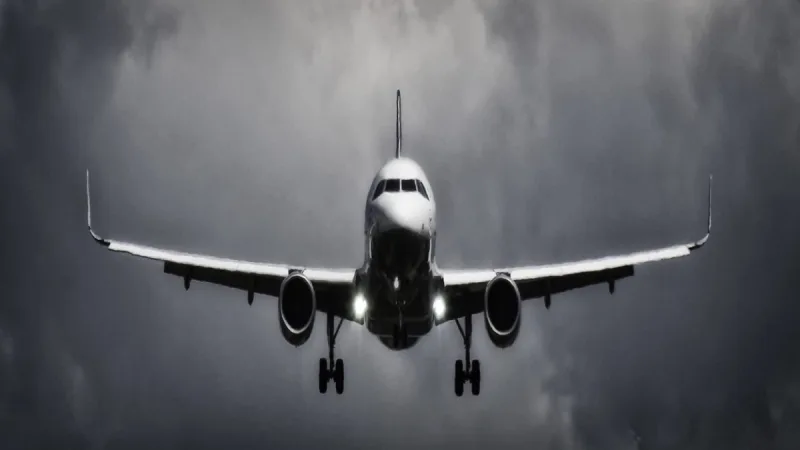
The presidential aircraft, Air Force One, departed from Shannon Airport in Ireland. This departure followed a brief, but necessary, stopover for refueling on the tarmac. The US President Donald Trump was returning to the United States from his visit to Davos, Switzerland.
Aviation Logistics and Delays
Air Force One touched down in Ireland shortly after 6:20 PM and took off again around 7:30 PM. The stop was a direct result of an earlier mechanical issue. The original presidential plane was forced to turn back to its air base shortly after takeoff for the Davos trip.
White House officials described the return as an abundance of caution. They cited a "minor electrical issue" as the cause. Journalists traveling with President Trump reported that cabin lights briefly went out after takeoff.
President Trump was traveling on a replacement aircraft for the return journey. This replacement plane required more fuel stops en route back to the US. This requirement made the stop at Shannon Airport essential for the long-haul flight.
Security and Operational Context
A major security operation was activated at the airport in the 48 hours leading up to the US President’s arrival. This is standard protocol for high-profile presidential movements. The security effort included aerial surveillance.
An Irish Air Corps Airbus 295 maritime surveillance aircraft flew close to the airport. This occurred as Air Force One was preparing to land. The presence of the Irish Air Corps highlights the multi-agency coordination required.
President Trump did not deplane during the brief stop. However, his son, Eric Trump, had recently visited the nearby Trump Doonbeg Golf Resort in County Clare.
Impact on Presidential Travel
- The unscheduled stop added over an hour to the total travel time.
- It underscores the operational challenges of using a replacement aircraft for long-distance international travel.
- The need for additional fuel stops increases the complexity of the flight plan and security logistics.
The Davos Trip Context
President Trump had arrived in Davos the day before the departure. He met with various leaders during his visit. His discussions included a meeting with Ukraine President Volodymyr Zelenskyy.
The trip also involved a deal aimed at ensuring the security of the Arctic territory. This followed earlier threats to seize Greenland from Denmark.
The departure from Shannon Airport marked the final European leg of the journey. The logistical adjustments due to the presidential plane electrical issue ensured the safe continuation of the Davos return journey. The FAA (https://www.faa.gov) sets rigorous standards for presidential flight safety. The Boeing (https://www.boeing.com) 747 platform, which Air Force One is based on, is known for its reliability. IATA (https://www.iata.org) protocols guide international air traffic coordination during such high-security movements.
flying.flights is your source for accurate commercial aviation news and global aviation updates.
Written by Ujjwal Sukhwani
Aviation News Editor & Industry Analyst delivering clear coverage for a worldwide audience. Covers flight operations, safety regulations, and market trends with expert analysis.
Visit ProfileYou Might Also Like
Discover more aviation news based on similar topics

Fire at Cape Town Airport Temporarily Halts International Flights
A fire at Cape Town International Airport prompted a temporary suspension of international departures after impacting critical IT and network services.
Gatwick Airport Adds 12 New International Routes for Summer 2026
London Gatwick Airport is launching 12 new international routes with 8 new airlines for summer 2026, marking its largest network expansion since 2019.

Kenya Unveils $2B Master Plan for New Nairobi JKIA Terminal by 2029
Kenya has unveiled a $2B plan for a new terminal and runway at Nairobi's JKIA to nearly double capacity to 15 million passengers annually by 2029.

Misima Airstrip K2.6m Runway Rehabilitation to Begin in March
Papua New Guinea's Rural Airstrips Agency will begin K2.6m runway work at Misima Airstrip in March, restoring vital air service after a six-year closure.

India Approves ₹1,677 Crore Expansion for Srinagar International Airport
India's CCEA has approved a Rs. 1,677 crore expansion for Srinagar International Airport, aiming to boost annual capacity to 10 million passengers.

Melbourne Airport Begins Major International Terminal Expansion
Melbourne Airport is launching a major international terminal expansion to add five new aircraft stands and accommodate record passenger growth.