Why Airbus Leads Narrowbody Flights While Boeing Controls Widebody Dominance?

Aviation News Editor & Industry Analyst delivering clear coverage for a worldwide audience.
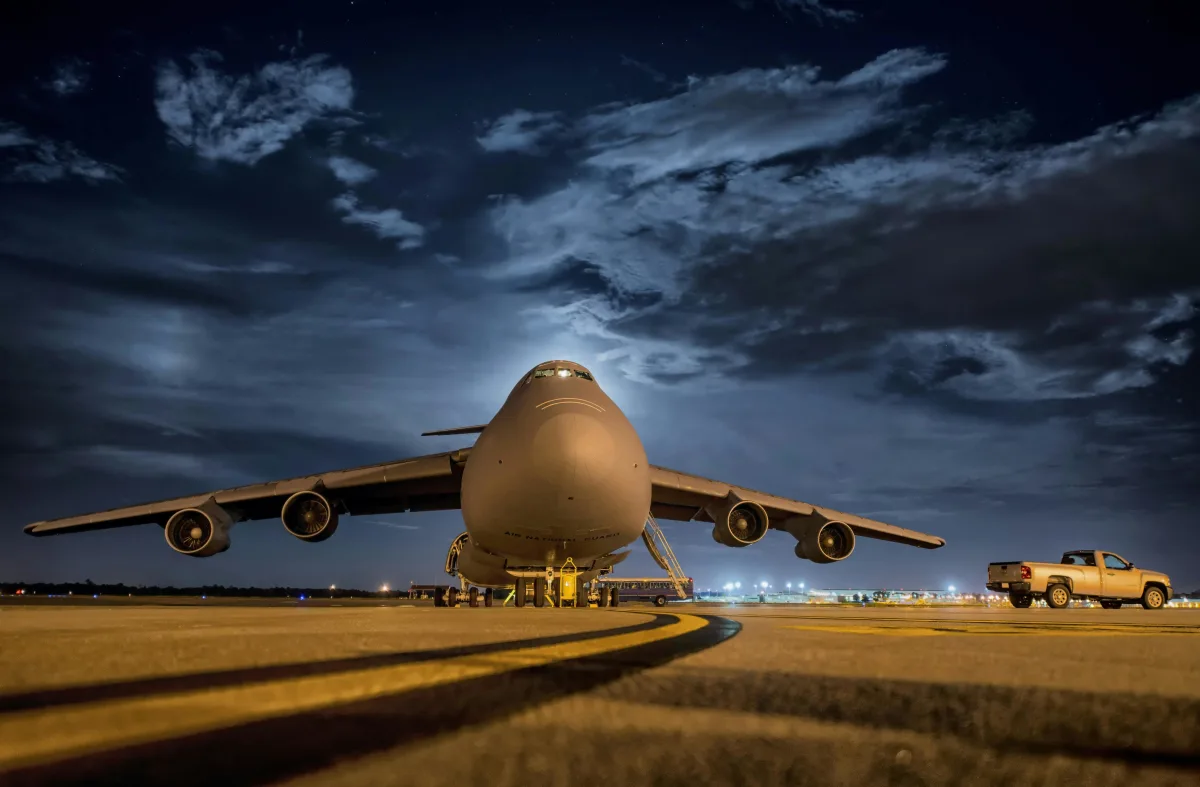
Airbus' narrowbody fleet has flown more flights since 2022; Boeing maintains strong widebody dominance with a 60% larger fleet and robust orderbook.
Key Takeaways
- •Airbus has held a larger narrowbody in-service fleet since 2022, leading to more aggregated flight data in the segment.
- •Boeing's widebody fleet is over 60% larger than Airbus's, driving its clear dominance in long-haul in-service fleet utilization.
- •The Boeing 777-9 entry-into-service is now projected for 2027, following further delays in the FAA 777-9 certification timeline.
- •The A320 family surpassed the Boeing 737 program in total deliveries in late 2025, signaling a growing gap in the narrowbody sector.
The global commercial aviation market is a duopoly. Competition between Airbus and Boeing remains intense. However, each manufacturer dominates a specific sector. This split is clear when reviewing aggregated flight data.
Narrowbody Supremacy
For several years, the Airbus narrowbody fleet has flown more flights. Airbus's in-service fleet (ISF) has been larger than Boeing's since 2022. This trend follows the A320 family's success. The A320 family surpassed the Boeing 737 program in total deliveries. This milestone was reached in late 2025, according to reports.
Airbus holds a significant share of the narrowbody market. This market includes the popular 125-240 seat category. Future growth for the Airbus narrowbody fleet seems assured. This is due to the current global aircraft orderbook. Airlines rely on these efficient jets for short routes. High in-service fleet utilization drives profitability.
Boeing's Widebody Command
The widebody market presents a different picture entirely. Boeing widebody dominance is currently unchallenged. Boeing's widebody fleet is over 60% greater than Airbus's. This large fleet size results in more aggregated flight data. Boeing aircraft log over 60% more annual widebody flights.
The American manufacturer also leads the widebody orderbook. Widebody orders represent long-term airline confidence. Boeing's 787 Dreamliner and 777 programs are key assets. Airbus counters with the A330neo and A350 families. However, Boeing maintains a clear lead in this high-margin sector.
The 777-9 Certification Timeline
Boeing aims to solidify its widebody position further. This goal rests heavily on the new 777-9 airliner. However, the program has faced multiple delays. Boeing recently confirmed a revised 777-9 certification timeline. The company expects first deliveries no earlier than 2027.
The US Federal Aviation Administration (FAA) must approve the jet. Certification testing is a lengthy, multi-phase process. Boeing is currently working through the Type Inspection Authorization. Despite the delays, the 777-9 remains a crucial aircraft. Its entry-into-service will strengthen Boeing widebody dominance.
Impact on the Global Aviation Market
The clear division in the commercial aviation market affects airlines. Short-haul carriers favor the Airbus A320neo family. Long-haul operators rely heavily on Boeing widebody jets. This narrowbody versus widebody split influences fleet planning.
- Airlines face different delivery pressures in each segment.
- Narrowbody supply chain issues primarily impact Airbus customers.
- Widebody delays, like the 777-9, affect long-range route strategies.
Competition between the two giants is essential for innovation. Airbus is pushing to increase its widebody market share. Boeing is focused on overcoming narrowbody challenges. The current utilization data highlights their differing strengths. This duopoly structure will continue to shape global air travel.
flying.flights is your source for accurate commercial aviation news and global aviation updates.
Written by Ujjwal Sukhwani
Aviation News Editor & Industry Analyst delivering clear coverage for a worldwide audience. Covers flight operations, safety regulations, and market trends with expert analysis.
Visit ProfileYou Might Also Like
Discover more aviation news based on similar topics

Airbus Delivers 700th Aircraft from its Tianjin Assembly Line
Airbus delivered its 700th China-assembled A320 family aircraft from its Tianjin plant, highlighting its deepening industrial footprint in a key market.

Airbus Slows A320 Production Ramp-Up Amid P&W Engine Shortage
Airbus is slowing its A320 production ramp-up due to a persistent shortage of Pratt & Whitney engines, impacting its 2026 delivery targets.
Airbus Targets Record 2026 Deliveries Despite Engine Supply Constraints
Airbus targets a record 870 aircraft deliveries for 2026 but faces production constraints due to ongoing engine shortages from supplier Pratt & Whitney.

Boeing 777-9 Simulators Gain Initial FAA and EASA Qualification
Boeing received initial FAA and EASA qualification for its 777-9 flight simulators, a critical step toward commencing pilot training for the new widebody.

Embraer Targets 200-Jet Order for India Assembly Line
Embraer seeks 200 firm aircraft orders from Indian carriers as a prerequisite to establishing a local final assembly line with its partner Adani Group.

Airbus Cuts A320 Targets, Citing Pratt & Whitney Engine Shortages
Airbus is scaling back A320 production targets, publicly blaming Pratt & Whitney for a significant engine shortage that is disrupting its delivery schedule.