Why Did Business Aviation Safety Fatalities Soar to Worst Level Since 2011?

Key Points
- 1143 fatalities were recorded, marking a 53.8% increase year-over-year for business aviation.
- 2The year was the worst for business aviation safety since 2011, which saw 156 fatalities.
- 3Fatalities from business jet accidents climbed 171.4% globally, rising from 21 to 57.
- 4Industry bodies stress the need for better safety data sharing and focus on LOC-I and CFIT.
Preliminary data shows a sharp decline in business aviation safety performance. The sector recorded its worst year since 2011 regarding fatal accidents. Total fatalities soared by 53.8% year-over-year (YOY) to 143, according to Aviation International News (AIN) data.
This total is only surpassed by the 156 fatalities recorded in 2011. The overall number of business aircraft accidents increased by 15.6%. Worse, the number of fatal mishaps climbed by 29.6% YOY.
Business Jet Accidents Drive Fatalities
The most significant factor was the surge in business jet accidents. Fatalities in this category climbed 171.4% globally. The death toll rose from 21 in the previous year to 57 last year. Non-U.S.-registered business jet fatalities saw a massive surge. Lives lost jumped from six in three accidents to 42 in nine crashes. Half of these non-U.S. jet fatalities occurred in three charter accidents.
Turboprop and Global Safety Performance
Fatalities involving turboprop aircraft also saw an increase. Turboprop fatalities rose 19.4% YOY. The number of people killed climbed from 72 to 86. This highlights a broader challenge for global safety performance across the entire business aviation fleet. The total number of business aircraft accidents reached 104. This included 32 business jets and 72 turboprops.
Industry Focus and Regulatory Response
These aviation safety statistics underscore the need for renewed focus. Industry bodies and regulators must address underlying risks. The National Business Aviation Association (NBAA) highlights key safety areas. These include Loss of Control Inflight (LOC-I) and Controlled Flight Into Terrain (CFIT). The preliminary accident data suggests a need for better data sharing. Only 45% of NBAA members participate in automated safety data sharing. This lack of shared information can allow critical failures to go unnoticed.
Regulators like the FAA and EASA continuously work on safety improvements. The International Civil Aviation Organization (ICAO) sets global standards. The fatalities soaring 53.8% demand swift industry action. Enhanced safety management systems are critical for all operators. This includes both Part 91 private operations and Part 135 charter flights. The data serves as a stark reminder for the entire sector. It stresses the importance of continuous safety training and compliance. Stay updated on commercial aviation news and safety reports at flying.flights.
Topics
You Might Also Like
Discover more aviation news based on similar topics

Why Airbus and Global Regulators Focus on Prevention, Not Blame, in Safety Investigations.
Airbus and global aviation bodies follow ICAO Annex 13, establishing safety investigation as an independent process focused solely on accident prevention, not apportioning blame.
How the FAA and EASA are Uniting to Secure Global Civil Aviation's Future
FAA and EASA signed a Declaration of Intent to deepen their international aviation partnership, focusing on safety data, cybersecurity, and sustainability for global air travel.
Why Aligning with FAA, EASA, and ICAO Rules is Vital for Aviation Safety
FAA, EASA, and ICAO regulatory compliance is vital for aviation safety managers to avoid financial penalties and ensure operational efficiency and public trust.

Air India Express Diverts IX1240 to Indore as Infant Suffers Breathing Crisis
Air India Express Flight IX1240, en route from Jaipur to Bengaluru, made a priority landing at Indore after a one-year-old infant developed severe breathing issues, but the child tragically died during hospital treatment.
LATAM Boeing 767 Suffers Catastrophic Tire Failure During Atlanta Landing
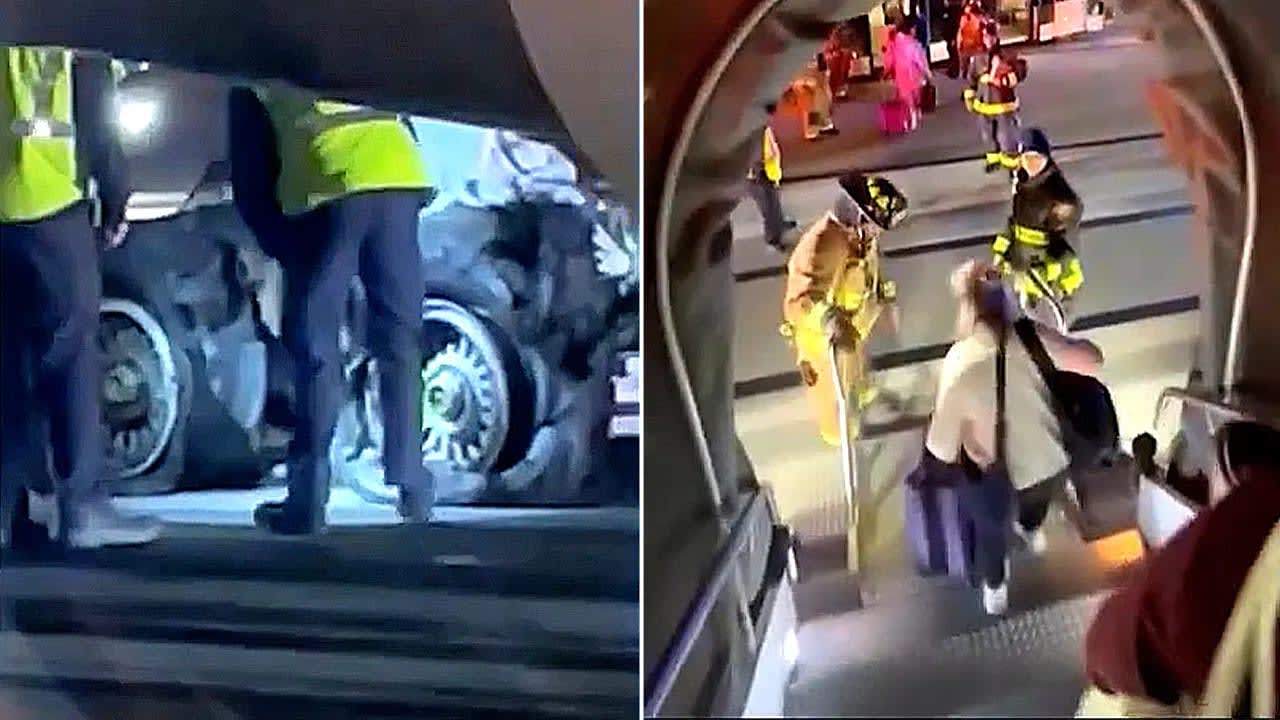
LATAM Airlines Flight 2482, a Boeing 767, suffered a rare, catastrophic blowout of all eight main landing gear tires upon landing in Atlanta, prompting an FAA investigation.

Why is the FAA Mandating New Boeing 737NG Stabiliser Inspections?
The FAA proposes an airworthiness directive mandating inspections of horizontal stabiliser components on all US-registered Boeing 737NGs following reports of pitch oscillations.