Why Do India's Top Airlines Keep Hiring Expatriate CEOs?

Key Points
- 1The search for a new Air India CEO highlights a pattern of major Indian carriers preferring expatriate leaders.
- 2The trend is rooted in the post-1990s liberalization, which exposed a scarcity of senior executives with end-to-end airline management experience.
- 3Expat CEOs are valued for instant global credibility and networks with bodies like IATA and ICAO, and with lessors/manufacturers.
- 4Industry experts call for a shift, arguing that the default preference shows a lack of institutional confidence in developing homegrown leadership pipelines.
The reported search for a successor to Air India CEO Campbell Wilson has renewed focus on a long-standing pattern. India’s largest airlines often prefer expatriate leaders for the top job. Industry chatter suggests that Tata Group chairman N Chandrasekaran has approached senior executives at major American and British carriers for the role. This raises a familiar question about the depth of Indian aviation talent in the C-suite.
The Historical Context of Leadership
The root of this trend lies in the sector’s history. For nearly four decades after 1953, Air India and Indian Airlines operated as state monopolies. This era was marked by bureaucratic control and political interference. Such structures limited commercial agility and eroded competitiveness.
When the market liberalized in the early 1990s, private carriers entered rapidly. Airlines like Jet Airways, IndiGo, and SpiceJet emerged quickly. However, the existing talent ecosystem was unprepared for this growth. India lacked enough senior executives with end-to-end airline leadership experience.
K Sudarshan of EMA Partners noted this scarcity. He stated that the perception was that leadership talent in Indian aviation was limited. Early private airlines, including Jet Airways, often had to rely on expatriate COOs or CEOs.
The Global Credibility Factor
Beyond simple numbers, the skill gap was significant. India had many strong engineers and operations professionals. However, expertise in complex areas was scarce. These areas included aircraft leasing and global network planning. International regulatory engagement and manufacturer negotiations were also limited.
Expatriate leaders were seen as bringing instant credibility. They offered established global aviation networks and trust with bodies like IATA and ICAO. This global experience was considered vital for an expanding market. The India Aviation Market is projected to grow from $14.78 billion in 2025 to over $26 billion by 2030.
The Failure of Internal Pipelines
A critical issue has been the failure to build internal leadership pipelines. Career paths within Indian airlines often remained siloed. There was little cross-functional exposure between commercial, operational, and strategic roles. This made it difficult to groom well-rounded Air India leadership candidates.
Research by executive search firm Egon Zehnder shows this is a global issue. Airlines worldwide struggle with narrow internal talent pools. This is a direct result of siloed career paths.
Challenging the Expatriate Default
Critics argue that the default preference for outsiders is now outdated. Arun Kumar Singh, former CEO of IndiaOne Air, questioned the network advantage. He pointed out that manufacturers, lessors, and vendors are common across the industry.
Clear counterexamples of successful homegrown leaders exist. Aditya Ghosh was instrumental in building IndiGo into a major success. He later co-founded Akasa Air. Aloke Singh has also successfully led Air India Express through its recovery. Furthermore, global precedents show that deep aviation experience is not always necessary. Lord King revived British Airways with no prior aviation background.
Ultimately, the reliance on foreign airline chiefs may signal a lack of institutional confidence. Jitender Bhargava, a former executive director at Air India, said talent matters more than nationality. He stressed that Indian airlines must invest in developing domestic leaders. Until this investment is made, the top positions are likely to remain filled by outsiders. The sector must prioritize building robust internal leadership pipelines to sustain its massive growth. For more insights on the commercial aviation news, visit flying.flights.
- Key Takeaways for Stakeholders:
- The reliance on expatriate CEOs stems from a historical lack of end-to-end management experience post-liberalization.
- Expat hires are often sought for perceived global credibility with IATA, ICAO, and major manufacturers like Boeing.
- The core challenge is the lack of internal leadership development and cross-functional exposure within major Indian carriers.
- Critics argue that domestic talent is now sufficient, and the preference reflects a lack of institutional confidence in homegrown executives.
Topics
You Might Also Like
Discover more aviation news based on similar topics
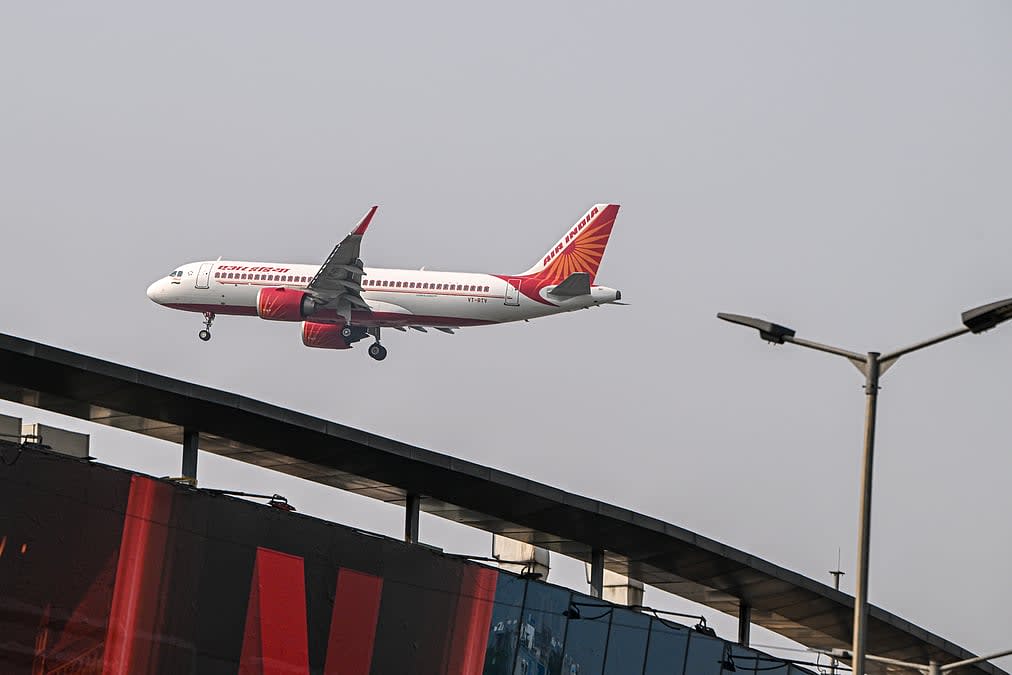
Persistent Losses Push Tata Group to Search for New Air India CEO.
Air India's owner, the Tata Group, is actively scouting for a new Chief Executive Officer to replace Campbell Wilson amid slow recovery and a surge in consolidated net losses.

Why Indian Aviation's Biggest Profits Are Found on the Ground, Not in the Sky
Indian aviation is shifting its focus, with airlines like IndiGo and Air India, and operators like GMR Airports, driving significant profit growth through ancillary income and non-aeronautical revenue.

India's Aviation Boom Strained by Crises at IndiGo and Air India
DGCA scrutiny follows IndiGo's massive December flight cancellations from a pilot shortage and Air India's safety lapses after a Boeing 787 crash, straining India's aviation duopoly.
Do IndiGo and Air India Crises Signal a Regulatory Breaking Point?
IndiGo and Air India operational crises expose India's aviation market systemic fragility, forcing government intervention and scrutiny of the DGCA's capacity.
DGCA Faces Urgent Call to Action After IndiGo Chaos and Air India Crash
DGCA faces intense scrutiny after the Air India Boeing Dreamliner crash and mass IndiGo flight cancellations expose critical gaps in regulatory enforcement and operational stability.
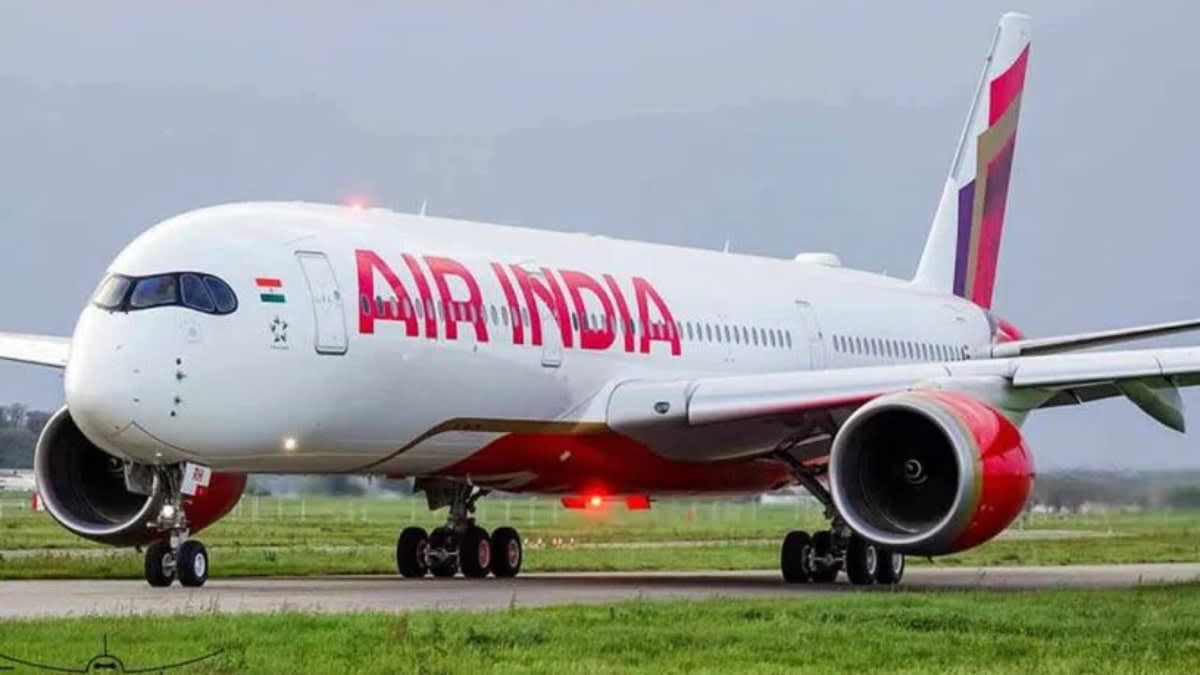
Can Air India's new Airbus A350 and Boeing 787-9 fleet restore its First Class glory?
Air India, the second-biggest airline in India, invests ₹9,558 crore in fleet modernization, including new Boeing 787-9 and Airbus A350 aircraft, aiming to restore its premium market
Never Miss Critical Aviation Updates
Get the top aviation stories delivered to your inbox every morning