

Why Is the FAA Investigating a Boeing 737 MAX Rudder Control Anomaly?


Key Points
- 1The FAA is investigating a potential Boeing 737 MAX rudder issue following a Southwest Airlines flight anomaly.
- 2The probe seeks to confirm if a systemic problem exists within the aircraft's flight control systems, following multiple prior incidents.
- 3NTSB investigations previously found structural damage after a May 2024 Dutch roll and actuator issues leading to jammed rudder pedals.
- 4A finding of a systemic defect could lead to a new Airworthiness Directive (AD) affecting the global 737 MAX fleet.
The FAA has opened a formal investigation into the Boeing 737 MAX rudder control issue. This action follows a recent Southwest Airlines flight anomaly report. The airline noted a minor control problem during a standard flight operation. The Federal Aviation Administration probe seeks to determine if a systemic problem exists. This is a critical step for commercial aviation safety globally.
Background on the Anomaly
This new inquiry relates to an earlier, more severe incident. In May 2024, a Southwest 737 MAX 8 experienced a "Dutch roll" mid-flight. This is an unusual, oscillating motion of the aircraft. The National Transportation Safety Board (NTSB) investigated this event. Their findings revealed structural damage to the rudder system on the airplane. The damage was found on the vertical stabilizer trailing edge ribs. This structural damage adversely affected the strength of the rudder system fitting. The NTSB report indicated the anomalous behavior began after scheduled maintenance. The pilots were able to land the aircraft safely in Oakland, California.
Broader Regulatory Concerns
The FAA 737 MAX rudder investigation is part of a wider focus on the aircraft's flight control systems. In October 2024, the FAA issued a Safety Alert for Operators (SAFO). This alert warned airlines about potential for limited or jammed rudder movement. This warning covered both 737 Next Generation (NG) and 737 MAX airplanes. The concern stemmed from a separate February 2024 incident involving a United Airlines 737 MAX 8. In that event, the rudder pedals were reportedly "stuck" during landing.
Further NTSB testing found the issue was related to the Rudder Rollout Guidance Actuator (RRGA). Moisture could accumulate and freeze inside the actuator. The NTSB issued urgent safety recommendations to both Boeing and the FAA. These recommendations urged action to address the potential for a jammed rudder control system. Global aviation regulators, including EASA, are closely monitoring the situation.
Potential Industry Impact
The current regulatory safety probe could have significant consequences. If the FAA finds a systemic problem, it may issue an Airworthiness Directive potential (AD). An AD would mandate inspections or modifications across the entire 737 MAX fleet inspection. This would impact operations for airlines worldwide. The prior December 2023 request from Boeing for airlines to check for loose bolts in the rudder control system shows the ongoing nature of these concerns. The industry is watching for any signs of a broader lapse in production quality control. The goal is to ensure the integrity of all aircraft flight control systems.
- The FAA probe focuses on the Boeing 737 MAX control issue after a recent Southwest report.
- The NTSB previously found structural damage to the rudder system after a Dutch roll incident.
- A separate issue involving frozen rudder actuators prompted an FAA safety alert in 2024.
- Any new Airworthiness Directive would require immediate action from global 737 MAX operators.
For more updates on this and other commercial aviation news, visit https://flying.flights.
Topics

Written by
Ujjwal SukhwaniAviation News Editor & Industry Analyst delivering clear coverage for a worldwide audience.
View ProfileYou Might Also Like
Discover more aviation news based on similar topics

Why Did the FAA Mandate New Safety Inspections for the Boeing 737 MAX Fleet?
The FAA issued a major airworthiness directive (AD 2025-25-04) for over 5,100 Boeing 737 aircraft, including the MAX, mandating inspections of escape slide assemblies.

FAA Rejects Mandatory Learjet Inspection After Fatal Scottsdale Crash
The NTSB urged the FAA to mandate inspections for certain Learjet models after a fatal crash at Scottsdale Airport, but the FAA rejected the airworthiness directive.

Alaska Captain Sues Boeing Over 737 Max 9 Door Plug, Claims Blame Shift
Alaska Airlines captain Brandon Fisher is suing Boeing for $10 million, alleging the manufacturer shifted blame to him after the Flight 1282 737 Max 9 door plug blowout.
Cockpit Audio Captures United Flight Slipping Off Runway, Forcing Evacuation
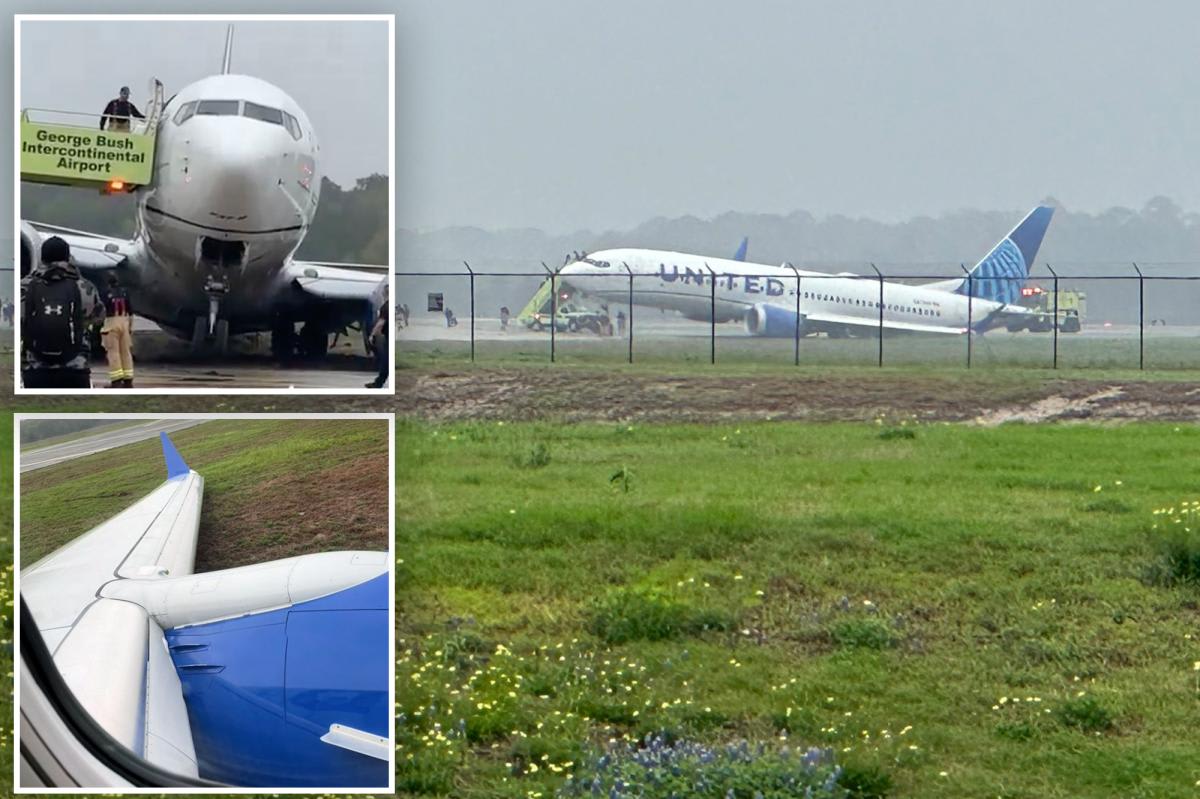
United Airlines is facing scrutiny after Flight 2477, a Boeing 737 MAX 8, slipped off the runway at Houston, prompting an NTSB investigation into pilot actions and surface conditions.
Cockpit Transcript Reveals Pilot Panic After United Boeing 737 MAX Skids Off Houston Runway
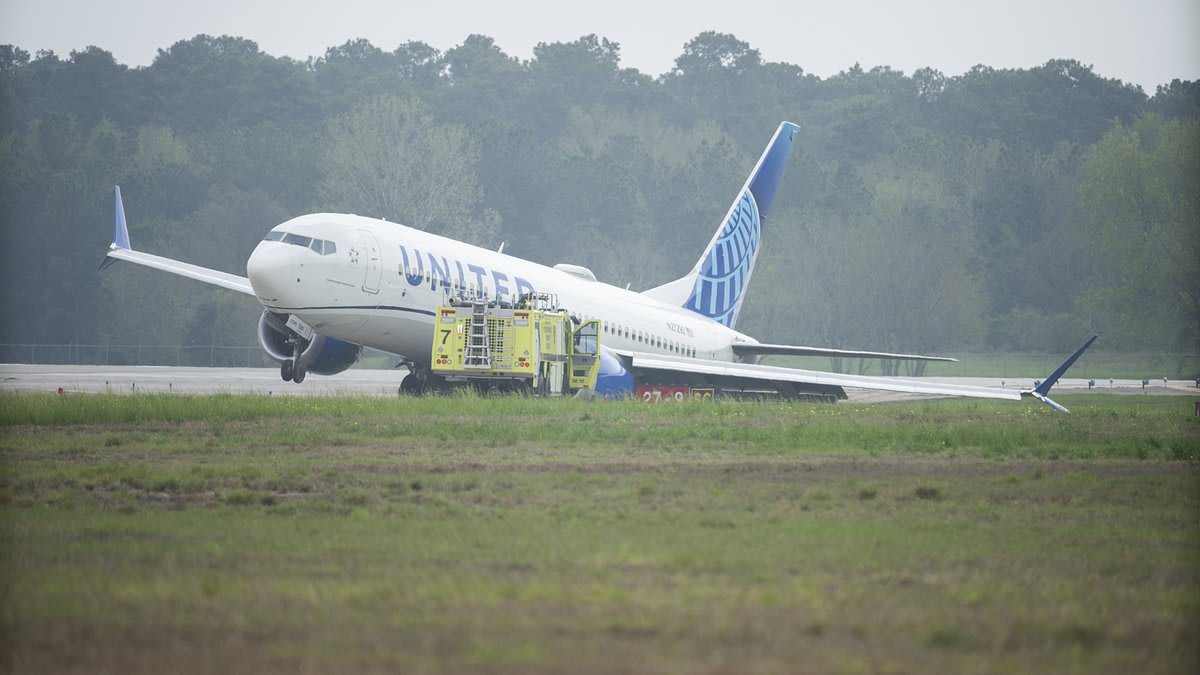
United Airlines Boeing 737-8 MAX veered off a wet Houston runway on March 8, 2024; NTSB documents reveal pilot concern over braking procedures and the resulting excursion.

How 2025's American Airlines, Air India Tragedies Tested Global Aviation Safety
American Airlines, Air India, and UPS tragedies, coupled with a 43-day ATC shutdown, made 2025 a turbulent year for global aviation safety and operations.