Why Lithium Batteries Caused Major Baggage Delays at Auckland Airport

Key Points
- 119,500 international travelers were impacted by baggage delays at Auckland Airport on a peak travel day (Jan 4, 2026).
- 2Lithium batteries in checked bags forced manual, back-of-house screening, which is a significant operational bottleneck.
- 3IATA/ICAO rules strictly forbid spare lithium batteries and power banks in checked luggage due to the severe fire risk in the cargo hold.
- 4Batteries account for 70% of all items confiscated from checked bags at New Zealand airports, highlighting a widespread passenger compliance issue.
Auckland Airport experienced major operational disruption. This occurred on one of its international travel peak season days. The cause was a high volume of prohibited items airport screening alarms. Specifically, an excess of lithium batteries was found in checked luggage. Officials expected 19,500 international travelers to depart that day. The resulting Auckland Airport baggage delays led to frustrated passengers. One traveler described the scene as "complete pandemonium".
The Operational Bottleneck
Lithium batteries are a dangerous goods regulations concern in aviation. They pose a significant fire risk in an aircraft's cargo hold. Because of this risk, any bag containing them requires additional back-of-house screening. This process is manual and significantly slows manual baggage processing during busy periods.
Data shows this is a persistent issue for New Zealand airports. According to the Civil Aviation Authority (CAA), batteries account for 70% of all items confiscated. On average, around 470 batteries are removed from checked luggage daily. The Aviation Security Service (AvSec) removed over 250,000 batteries in 2025 alone. This highlights the scale of the ongoing problem.
Global Safety and Regulatory Framework
The rules for lithium battery aviation safety are clear and globally enforced. The International Air Transport Association (IATA) and the International Civil Aviation Organization (ICAO) set these standards. Spare lithium batteries and power banks are strictly forbidden in checked baggage. They must be carried in the cabin, or carry-on luggage. This is so cabin crew can quickly handle any thermal event. Lithium battery fires are especially difficult to extinguish in the cargo hold.
Passenger Electronics in Checked Baggage
Devices with installed batteries, like laptops or cameras, may be checked. However, they must be completely switched off, not in sleep mode. They also must be protected from accidental activation or damage. The rules are designed to prevent short-circuiting, which can cause a fire.
Industry Impact and Future Solutions
This incident shows how passenger compliance directly affects airport operations. Delays on peak days create a ripple effect across the entire aviation network. Airport officials urged travelers to "pack smart" before arrival. They recommended allowing extra time for check-in procedures.
Manufacturers like Airbus and regulators continue to research new safety methods. However, passenger adherence to aviation security screening procedures remains the first defense. For the latest in commercial aviation news, visit https://flying.flights. The industry relies on all stakeholders to maintain safety and efficiency.
Topics
You Might Also Like
Discover more aviation news based on similar topics

Why India's In-Flight Power Bank Ban Signals a Global Lithium Battery Fire Threat
India's DGCA has banned in-flight power bank use and charging to mitigate lithium battery fire risk, prompting experts to call for strict enforcement of the one-hand-bag rule to

India's DGCA Bans Power Bank Charging on Flights: Why New Safety Rules Matter
India's aviation regulator, the DGCA, banned the use of power banks to charge electronic devices on flights, citing a global surge in lithium battery fire safety incidents.

Why Do Passengers Risk Lives for Carry-on Bags? IATA Launches New Safety Study
IATA is launching a major study into the psychology of passengers retrieving carry-on bags during aircraft emergency evacuations, a behavior that severely compromises the 90-second
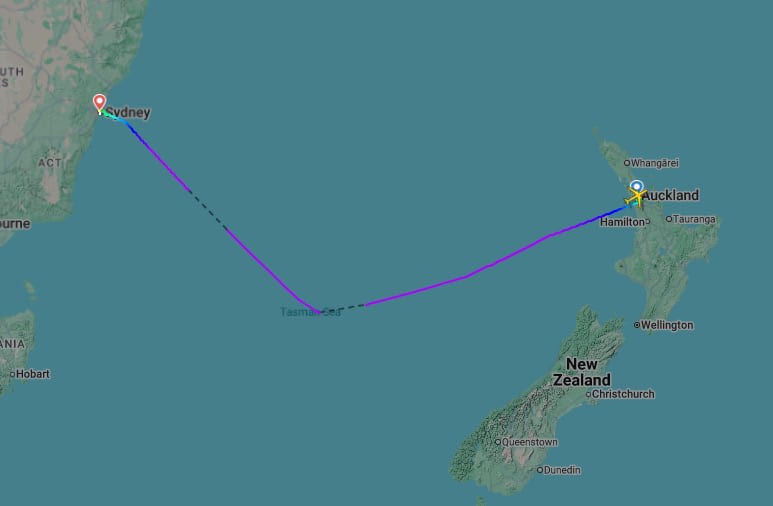
Qantas Flight Diverts to Sydney After Fatal Medical Event on Auckland-Perth Route.
Qantas confirmed a passenger died after a medical event forced a flight from Auckland to Perth to divert to Sydney International Airport for emergency assistance.

Why Do Passengers Grab Bags During Emergency Evacuations? Airlines Launch Study.
Major airlines are launching a joint study to understand why passengers risk lives retrieving carry-on bags during critical 90-second emergency aircraft evacuations, prompting new

easyJet Passenger Death: Former Crew Reveals the Stark Reality of In-Flight
Following a Malaga to Gatwick easyJet flight incident, a former crew member detailed the stark reality of passenger deaths; airlines follow strict IATA
Never Miss Critical Aviation Updates
Get the top aviation stories delivered to your inbox every morning