Winter Storm Fern Triggers Mass Flight Cancellations at Savannah-Hilton Head.

Aviation News Editor & Industry Analyst delivering clear coverage for a worldwide audience.
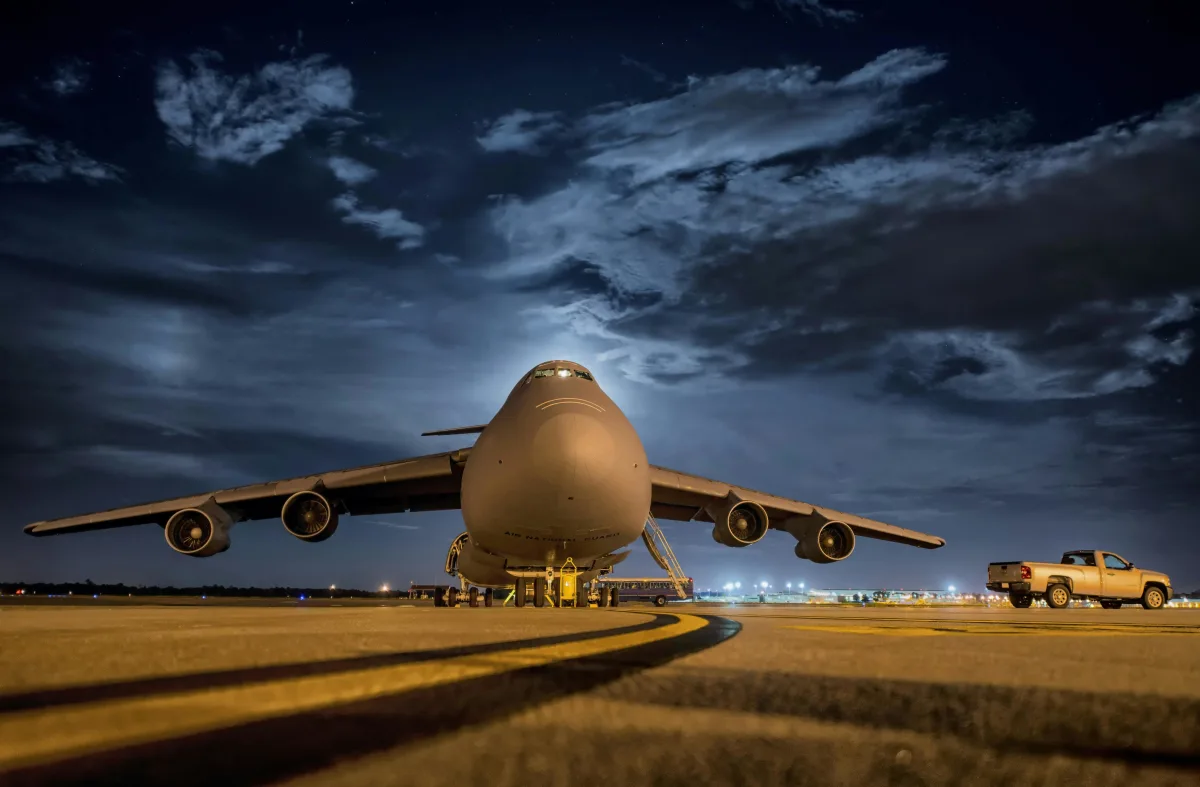
Winter Storm Fern caused widespread flight cancellations at Savannah-Hilton Head International Airport (SAV), largely due to hub paralysis at Atlanta and limited de-icing capacity.
Key Takeaways
- •Nearly 70 flights were canceled at Savannah-Hilton Head International Airport in a 24-hour period due to Winter Storm Fern's impact.
- •The primary cause was 'hub paralysis' at major connecting airports like Atlanta (ATL) and Charlotte (CLT) which severed regional routes.
- •Airlines including Delta Air Lines and Southwest Airlines proactively canceled flights, with Delta issuing travel waivers for impacted passengers.
- •Southern US airports faced operational challenges due to limited de-icing equipment, compounding the weather-related delays and cancellations.
The final week of January 2026 brought significant SAV airport travel disruptions to the Southeast United States. Savannah-Hilton Head flight cancellations piled up as Winter Storm Fern impacted the region. The severe weather system caused widespread freezing rain and ice. This led to major operational challenges for airlines and airports alike.
Cause of Disruption: Winter Storm Fern
The root cause of the chaos was Winter Storm Fern, a massive system stretching across the US. While Savannah, Georgia, avoided the heaviest snow, the ice and freezing rain proved catastrophic for air travel. The storm's impact was felt most acutely through the ripple effect on major airline hubs.
Hub Paralysis and the Ripple Effect
Savannah-Hilton Head International Airport (SAV) operates as a key regional spoke. It relies heavily on connections to larger hubs. When major airports like Hartsfield-Jackson Atlanta International Airport (ATL) and Charlotte Douglas International Airport (CLT) faced severe weather, the system broke down. Atlanta, a primary hub for Delta Air Lines, experienced its first "Ice Storm Warning" since 2014. This Atlanta hub paralysis effect forced major carriers to proactively cancel hundreds of connecting flights.
Delta Air Lines and Southwest Airlines were among the carriers forced to halt service. This was due to aircraft and crews being stuck in the affected hub cities. The resulting Delta Southwest flight cancellations severely limited available flights into and out of SAV.
Operational Challenges and Statistics
The weather-related cancellations were compounded by regional airport operational challenges. Southern US airports are generally less equipped for major ice events. They typically have limited de-icing fluid and machinery compared to northern hubs. This lack of Southern US airport de-icing capacity meant long wait times for aircraft clearance.
According to FlightAware data, the disruption was substantial. Nearly 70 flights were canceled at the Savannah airport in a 24-hour period leading up to Sunday evening. Specifically, approximately 38 departing flights—about a third of all departures—were canceled. The total number of cancellations across the United States exceeded 14,000 over the weekend.
Passenger and Airport Response
Passengers faced significant delays and rebooking issues. Stranded travelers were forced to extend their stays or seek alternative transport. Savannah-Hilton Head International Airport (SAV) officials advised travelers to contact their specific carriers. They stressed that the airlines, not the airport, make the final decision on flight cancellations. Carriers like Delta Air Lines issued travel waivers to help passengers rebook flights without incurring extra fees. The situation underscores the vulnerability of regional air travel to severe weather events at major connecting hubs.
- Nearly 70 flights were canceled at Savannah-Hilton Head International Airport in a 24-hour period.
- The primary cause was the Winter Storm Fern aviation impact on major hubs like Atlanta (ATL) and Charlotte (CLT).
- Airlines including Delta Air Lines and Southwest Airlines were forced to cancel connecting services.
- The disruption highlights the need for increased de-icing capacity at Southern US airports during rare ice events.
For in-depth airline coverage and commercial aviation news, flying.flights delivers timely industry insights.
For reporting on UAP sightings, investigations, and aviation-related encounters, see the UAPs section at flying.flights/uaps.
Written by Ujjwal Sukhwani
Aviation News Editor & Industry Analyst delivering clear coverage for a worldwide audience. Covers flight operations, safety regulations, and market trends with expert analysis.
Visit ProfileYou Might Also Like
Discover more aviation news based on similar topics

Fire at Cape Town Airport Temporarily Halts International Flights
A fire at Cape Town International Airport prompted a temporary suspension of international departures after impacting critical IT and network services.

Gatwick Airport Adds 12 New International Routes for Summer 2026
London Gatwick Airport is launching 12 new international routes with 8 new airlines for summer 2026, marking its largest network expansion since 2019.

Kenya Unveils $2B Master Plan for New Nairobi JKIA Terminal by 2029
Kenya has unveiled a $2B plan for a new terminal and runway at Nairobi's JKIA to nearly double capacity to 15 million passengers annually by 2029.

Misima Airstrip K2.6m Runway Rehabilitation to Begin in March
Papua New Guinea's Rural Airstrips Agency will begin K2.6m runway work at Misima Airstrip in March, restoring vital air service after a six-year closure.

India Approves ₹1,677 Crore Expansion for Srinagar International Airport
India's CCEA has approved a Rs. 1,677 crore expansion for Srinagar International Airport, aiming to boost annual capacity to 10 million passengers.

Melbourne Airport Begins Major International Terminal Expansion
Melbourne Airport is launching a major international terminal expansion to add five new aircraft stands and accommodate record passenger growth.