Middle East Passenger Traffic to Exceed 240M in 2026, IATA Forecasts
Middle East passenger traffic is forecast to exceed 240 million in 2026, driven by airport digitalization and strong regional growth, IATA reports.
Feb 23, 20264 min

BUSINESS
20 aviation articles tagged “Middle East Aviation”
Middle East passenger traffic is forecast to exceed 240 million in 2026, driven by airport digitalization and strong regional growth, IATA reports.
Syria's government has taken control of Qamishli airport from SDF forces, a key step in restoring state authority and national aviation infrastructure.

Saudi LCC flyadeal has received its first Airbus A320neo of 2026, expanding its total fleet to 45 aircraft as part of its ambitious growth strategy.

Dubai International Airport handled a record 95.2 million passengers in 2025; the growth cements its status as the world's busiest international hub.

Investment fund SAFFA will inject $30 million into a SAF One project in the Middle East; the facility aims to start fuel production by the end of 2028.

Flydubai has transitioned from a low-cost carrier to a full-service airline, now offering complimentary meals and baggage to strengthen its global market position.

Oman's Civil Aviation Authority launched the National Aviation Strategy 2040, targeting over 40 million passengers and RO 1 billion in private investment by 2040.
Flyadeal is maximizing fleet utilization for Gulf and South Asia expansion, but CEO Steven Greenway warns that engine reliability and spare parts shortages remain a critical challenge.

Dubai showcased a massive model of Al Maktoum International Airport, projected to become the world's largest aviation hub with 260 million passengers annually.

Emirates, the Dubai flagship carrier, denied reports of resuming Tel Aviv flights, stating no firm plans exist amid simmering Middle East geopolitical tensions.

Eurowings flight EW1153 from Dubai to Germany was delayed 11 hours, requiring a fuel stop and second diversion after EASA advised avoiding Iranian airspace.

Oman Air accepted its final Boeing 737 MAX 8, concluding a seven-aircraft delivery series that boosts its total fleet to 33 and strengthens its network capacity.

Heightened US-Iran tensions and a US CENTCOM readiness exercise are disrupting Middle East airspace security, as key allies Saudi Arabia and the UAE reject military overflight use.

Prince Faisal bin Bandar opened King Khalid International Airport's new International Terminal 2, completing major airport development projects to boost Riyadh's global hub status.
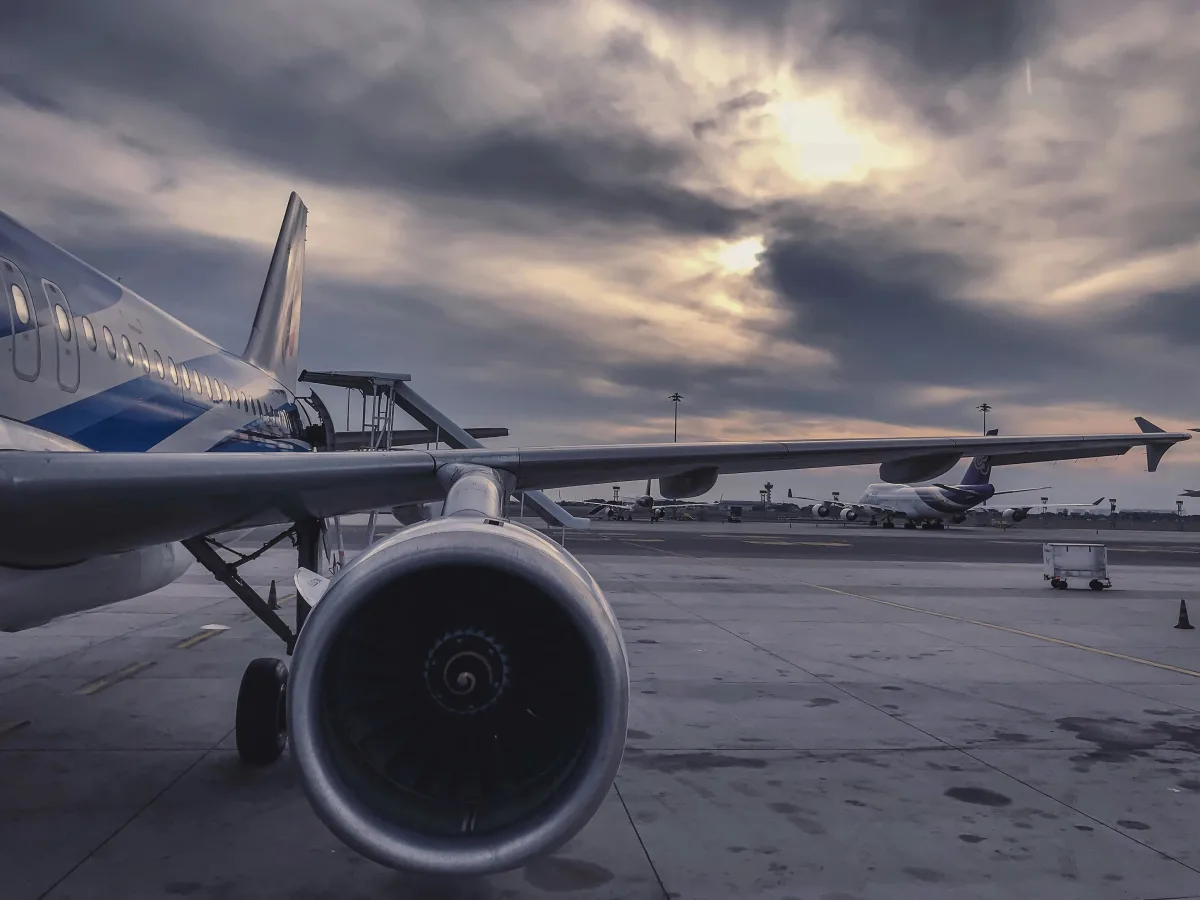
Global airlines are rerouting and canceling flights across the Middle East due to escalating geopolitical tensions between Iran and the United States, impacting international air travel.

Air France and KLM suspended some flights to Dubai and Tel Aviv after Iran's Revolutionary Guard issued a stark warning amid rising US tensions.

Major European and North American carriers, including Lufthansa and Air France, suspended Middle East flights following an EASA warning over US-Iran military escalation.

Aircraft lessor Avolon forecasts sustained low fuel prices in 2026 will boost airline profitability, helping repair balance sheets despite rising labor and maintenance costs.

Lufthansa, Air France, KLM, and other major airlines canceled weekend flights to Israel and Gulf states following a high-risk EASA advisory amid US-Iran tensions.

Qatar's Hamad International Airport (HIA) reported 54.3 million passengers in 2025, a 3 percent increase, signaling strong recovery for the major Gulf hub.
