Air India's New Boeing 787-9 Dreamliner Set for February International Launch

Key Points
- 1Air India will deploy its first post-privatization Boeing 787-9 Dreamliner in February 2026 for international long-haul service.
- 2The aircraft is the first 'line fit' Dreamliner acquired by the airline since October 2017, marking a key milestone for the Tata Group.
- 3The induction is part of a larger fleet modernization plan, including orders for 570 Airbus and Boeing aircraft and a refit of legacy B787-8s.
- 4Air India expects nearly 60 per cent of its wide-body fleet to have modern interiors by the end of 2026.
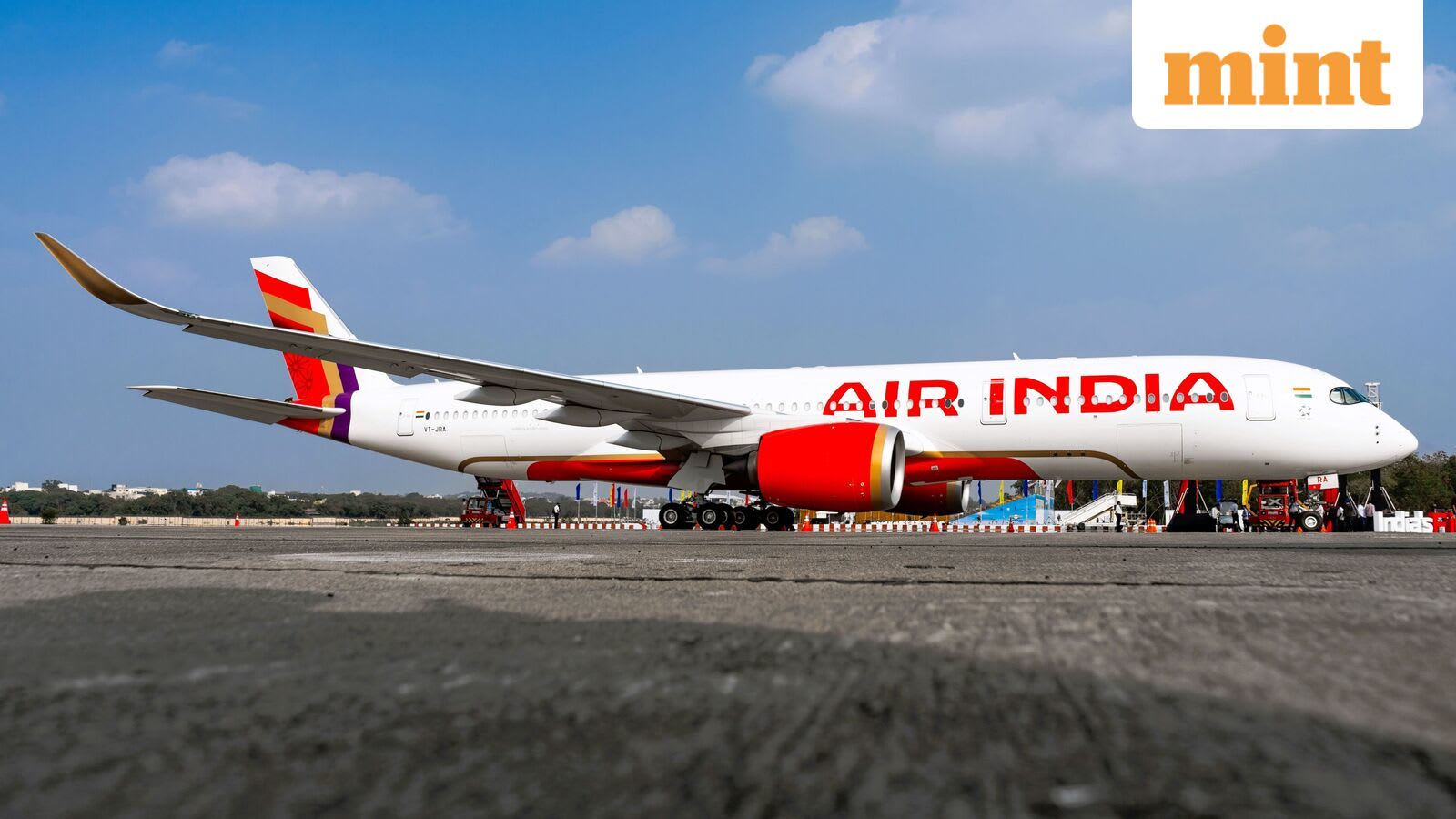
Air India is set to begin international long-haul service with its newest Boeing 787-9 aircraft. The airline will deploy the wide-body jet starting in February 2026, according to a release from the carrier. This delivery marks a major milestone for the airline.
It is the first 'line fit' Dreamliner to join the Air India fleet since the carrier's privatization. The Tata Group acquired the airline in January 2022. A 'line fit' aircraft is one specifically made for a particular airline. The last such Dreamliner was acquired in October 2017, when the carrier was under government ownership.
Key Deployment Details
Air India completed the title transfer for the new aircraft on January 7 at the Boeing factory in Everett, US. The aircraft then landed in Delhi on January 11. The new Boeing 787-9 is expected to enter commercial service the following month. This induction is a key step in Air India's ambitious fleet renewal and expansion strategy.
The airline expects to induct five more wide-body planes this year. These include both A350-1000s and additional B787-9s.
Fleet Modernization and Expansion
The new deployment is part of a massive fleet overhaul. Air India has placed historic orders for 350 Airbus and 220 Boeing aircraft. This combined order of 570 planes signals a strong commitment to global market share.
- Six wide-body A350s have already joined the Air India fleet.
- 51 narrow-body B737-8s are currently operating with Air India Express.
Wide-Body Refit Program
Air India is also focusing on upgrading its existing fleet. The airline’s legacy B787-8s are undergoing extensive retrofits. This process includes a refreshed nose-to-tail refit. Many of these aircraft are scheduled to complete the process and return to service in 2026. The goal is to significantly improve the passenger experience.
By the end of this year, nearly 60 per cent of Air India’s wide-body fleet will feature modern interiors. This includes the 26 B787-8s and six B787-9s acquired from the erstwhile Vistara merger. The Air India Group currently operates a total of over 300 planes. This includes 185 aircraft with Air India itself. This rapid modernization is a major story in commercial aviation news.
This aggressive strategy highlights the Tata Group's intent to transform Air India. The goal is to compete effectively on international long-haul routes. This is a critical development for the Indian and global aviation markets. For more on fleet developments, visit flying.flights.
Topics
You Might Also Like
Discover more aviation news based on similar topics

Qantas Commits to More Boeing 787-9 Dreamliners for Global Expansion
Qantas has ordered additional Boeing 787-9 Dreamliners to accelerate its long-haul fleet expansion and enhance its international network capacity.
Tata's Air India Takes First Custom Boeing 787-9 Dreamliner: What's Next?
Tata Group-owned Air India received its first line-fit Boeing 787-9 Dreamliner, marking a major step in its fleet modernization and wide-body expansion plan.

Major Airlines Accelerate Bank Borrowing Ahead of 2026 Fleet Surge.
Indian airlines are set to increase bank borrowing in 2026 to fund a surge in aircraft inductions, international network expansion, and rising operating costs, reversing a 2025 slowdown.
Air India's Board Seeks New CEO Amid Safety Scrutiny and Tata Group Pressure
Air India's board is reportedly seeking a new chief executive to replace Campbell Wilson, following intense regulatory scrutiny over safety lapses and a fatal crash.

Why Do India's Top Airlines Keep Hiring Expatriate CEOs?
Tata Group's reported search for an expatriate successor to Air India CEO Campbell Wilson highlights a persistent trend of Indian airlines relying on foreign leaders due to historical factors and a lack of internal leadership pipelines.
Do IndiGo and Air India Crises Signal a Regulatory Breaking Point?
IndiGo and Air India operational crises expose India's aviation market systemic fragility, forcing government intervention and scrutiny of the DGCA's capacity.