Alaska Airlines E175 Returns to Portland After Lithium Battery Fire

Aviation News Editor & Industry Analyst delivering clear coverage for a worldwide audience.
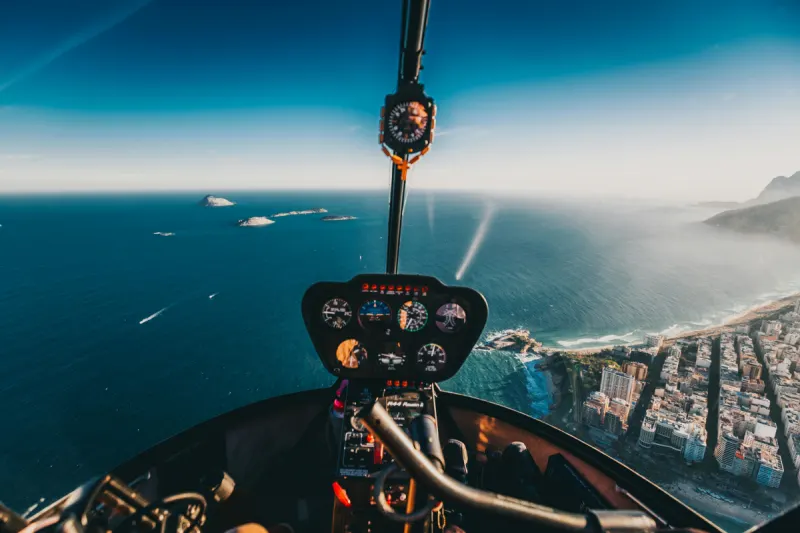
An Alaska Airlines E175 operated by SkyWest returned to Portland after a passenger's lithium battery fire, highlighting rising in-flight fire risks.
Key Takeaways
- •Caused an Alaska Airlines Embraer 175 to declare an emergency and return to Portland.
- •Highlights a growing trend, with the FAA recording a record 89 lithium battery incidents in 2024.
- •Reinforces strict FAA regulations prohibiting spare lithium batteries in checked baggage.
- •Underscores the persistent aviation safety challenge of thermal runaway from personal electronics.
An Alaska Airlines Embraer 175 flight, operated by SkyWest Airlines, declared an emergency and returned to Portland International Airport (PDX) shortly after takeoff following a fire caused by a passenger's lithium-ion battery. The incident highlights a growing safety concern, with the Federal Aviation Administration (FAA) recording a record 89 such battery events on U.S. flights in 2024.
This lithium battery fire on an airplane underscores the persistent challenge airlines and regulators face in managing the risks associated with personal electronic devices. While the crew's response averted a more serious outcome, the event is part of a trend that sees thermal runaway incidents occurring on aircraft at an average rate of two per week, according to a 2024 data review by UL Standards & Engagement. These events frequently lead to significant operational disruptions, with the same data showing one in five incidents results in a diverted landing, evacuation, or return to the gate.
Incident Details and Aircraft
The flight, operating under the Alaska Airlines brand, was a short- to medium-range service utilizing an Embraer E175 regional jet. This aircraft type typically seats between 76 and 88 passengers. SkyWest, the operating carrier, is the largest global operator of the Embraer E175. As of January 2026, SkyWest Airlines maintained an operational fleet of 487 aircraft, while the Alaska Air Group's fleet consisted of 413 aircraft, according to company press releases.
The fire originated from a passenger's personal electronic device. Following established emergency aircraft procedures, the flight crew declared an emergency and safely returned the aircraft to PDX. The specific device that caused the fire has not been publicly identified, pending an investigation which may involve the National Transportation Safety Board (NTSB).
Regulatory Context and Thermal Runaway Risk
The FAA has stringent regulations regarding the carriage of lithium-ion batteries. Current rules prohibit spare (uninstalled) lithium batteries, including power banks and portable chargers, from being placed in checked baggage. They must be transported in the cabin where an in-flight fire can be more readily addressed. FAA data reported by Forbes indicates that since 2006, these portable chargers have been responsible for 39% of lithium-ion battery incidents on aircraft. The FAA's PackSafe guidance details these rules for passengers.
A primary concern for safety officials is 'thermal runaway,' an uncontrollable, self-heating state in a battery cell that can lead to fires not extinguishable by standard Halon fire suppression systems found in cargo holds. The FAA has issued multiple Safety Alerts for Operators (SAFOs) to improve crew training and passenger awareness for managing these specific types of in-flight fire incidents.
Historical Precedent: The Boeing 787 Grounding
The risk of lithium-ion battery fires is not new to the industry. In 2013, the entire global fleet of Boeing 787 Dreamliners was grounded for nearly four months after two separate incidents involving fires in the aircraft's main lithium-ion battery systems. The subsequent NTSB investigation brought the issue of thermal runaway to the forefront of aviation safety discussions. The official NTSB accident report on the Boeing 787 battery fire provides extensive detail on the investigation.
During a press briefing on the 787 investigation, then-NTSB Chairman Deborah Hersman stated, "The expectation in aviation is to never experience a fire on board an aircraft. We have to understand why this battery resulted in a fire when there were so many protections that were to be designed into the system." Her comments underscore the high standard for safety and the complexity of mitigating battery risks.
Why This Matters
This incident is a critical reminder of the tangible safety risks posed by the proliferation of high-energy personal electronic devices in the cabin. It reinforces the importance of strict passenger adherence to FAA regulations and highlights the need for continuous crew training in specialized fire-fighting techniques. For the industry, it signals that despite regulatory efforts, lithium battery fires remain a persistent and growing operational threat that demands ongoing technological and procedural solutions to ensure passenger and crew safety.
flying.flights is your source for accurate commercial aviation news and global aviation updates. For reporting on UAP sightings, investigations, and aviation-related encounters, see the UAPs section at flying.flights/uaps.
Written by Ujjwal Sukhwani
Aviation News Editor & Industry Analyst delivering clear coverage for a worldwide audience. Covers flight operations, safety regulations, and market trends with expert analysis.
Visit ProfileYou Might Also Like
Discover more aviation news based on similar topics

American Airlines 737 MAX Inspected in Colombia for Suspected Bullet Damage
An American Airlines Boeing 737 MAX was grounded in Medellin, Colombia, for inspection after a suspected stray bullet punctured the aircraft's aileron.

DGCA Imposes Stricter Safety Rules on Indian Charter Flights
India's DGCA is imposing stricter safety rules and public rankings for charter operators after two fatal crashes killed 12 people within one month.
FAA Reports Laser Strikes on Aircraft Down for Second Consecutive Year
The FAA reports laser strikes on aircraft fell 14% in 2025, the second straight year of decline attributed to public outreach and enforcement efforts.

Power Bank Fire Forces Alaska Airlines Emergency Landing in Wichita
An Alaska Airlines flight made an emergency landing after a power bank exploded, injuring one passenger and highlighting growing lithium battery fire risks.

FAA Mandates Replacement of Certain Safran PBEs Due to Failure Risk
The FAA has issued an airworthiness directive mandating the replacement of certain Safran PBEs due to a manufacturing flaw that can block oxygen flow.

GCAA Suspends Two Controllers After Loss of Separation Incident in Guyana
Guyana's GCAA has suspended two air traffic controllers after a United and Turpial Airlines flight came within five miles, half the required separation.