Alpa India Warns Air India Express Board: Rostering Misuse Risks Safety and Disruption

Key Points
- 1Alpa India formally warned the Air India Express board on Monday about alleged rostering misuse and a retaliatory workplace culture.
- 2The pilots' association cited two social media incidents showing unprofessional conduct by rostering staff, including ignoring a safety-critical pilot hotline.
- 3The letter explicitly warned the Tata-owned Air India subsidiary of potential IndiGo-like disruptions and safety lapses due to scheduling pressures and fatigue.
- 4Alpa India demanded the board mandate human factors training, approve a formal code of conduct, and commission a comparative rostering audit.
The Airline Pilots' Association of India (Alpa India) issued a stern warning. The warning went to the board of Air India Express (AI Express). Alpa India flagged alleged Air India Express rostering misuse. This misuse is by the airline's rostering authority. The association warns of safety risks and service disruption. They compared the situation to recent events at IndiGo.
Allegations of Retaliatory Scheduling
Alpa India sent a letter to the board on Monday. The letter detailed allegations of "improper rostering". It also cited "unfair treatment" and a "retaliatory and ego-driven mindset". The association noted punitive actions against pilots who raise concerns. Rostering holds significant power over pilot fatigue and safety outcomes. It also impacts pilot morale and retention.
The association cited two specific examples. Both incidents involved rostering staff seen on social media. In one case, a manager allegedly boasted about retaliation. This retaliation targeted pilots who declined roster changes. They declined for personal or family reasons. In the second instance, a staff member was seen. They prioritized personal grooming over the pilot hotline. This hotline is a safety-critical communication channel. Alpa India stated this conduct was unprofessional. It reflects an intent to instill fear. This is instead of solving issues with empathy.
IndiGo Disruption and Regulatory Context
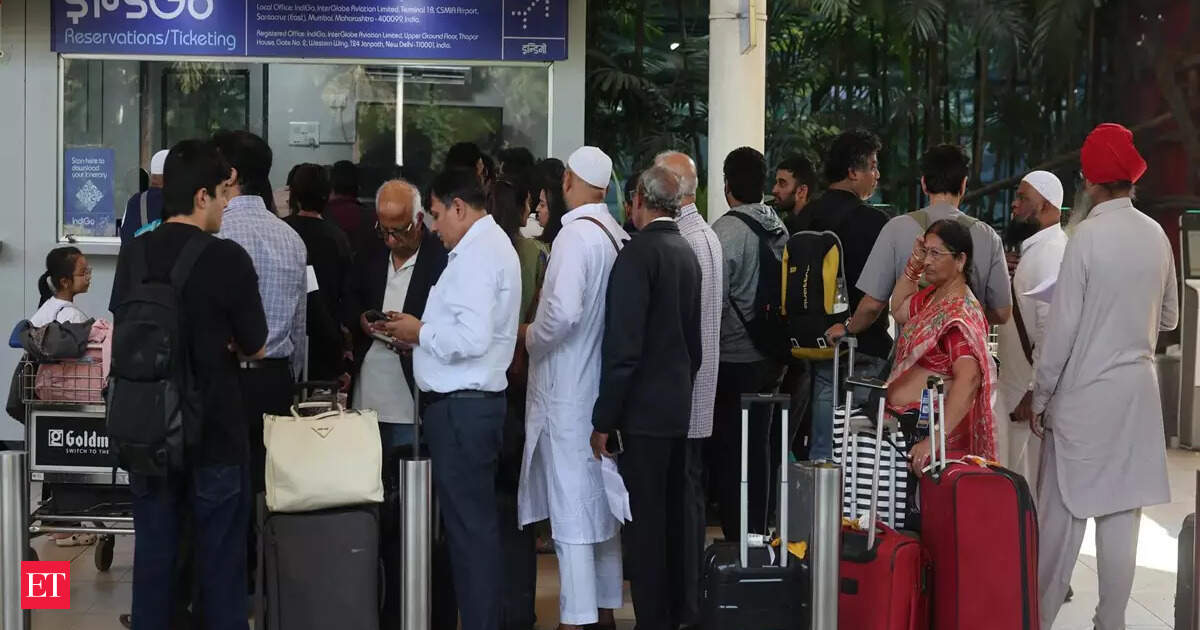
The letter specifically cautioned against “scheduling pressures”. It drew a direct parallel to the IndiGo-like disruptions. IndiGo faced mass flight cancellations in early December. This Air India Express operational disruption risk is due to similar pressures. IndiGo's chaos stemmed from poor roster planning. The airline failed to prepare for tighter safety regulations.
India's aviation regulator, the Directorate General of Civil Aviation (DGCA), recently tightened rules. These new Flight Duty Time Limitation (FDTL) rules took effect in 2025. The DGCA increased the minimum weekly rest for pilots. Rest was raised from 36 to 48 hours. The regulator also mandated new measures. These include mandatory fatigue management training for schedulers. Airlines must also submit quarterly fatigue reports. Alpa India stressed that a Tata-owned Air India subsidiary must follow a just culture. This is essential for a safety-critical airline.
Systemic rostering issues have affected the group before. The parent company, Air India, faced DGCA action. This occurred in June 2025 over crew safety violations. The DGCA ordered the removal of three senior rostering officials. This was due to “serious and repeated lapses”. These lapses included exceeding permissible duty hours. This history underscores the Alpa India safety warning.
Demands for Board Intervention
Alpa India seeks the board’s direct intervention. The association is urging a clear directive. This directive must state that retaliation is unacceptable. It must also oppose ego-driven scheduling. These practices conflict with the airline’s safety objectives.
The association's demands include specific actions:
- Mandate human factors training for all rostering staff.
- Approve a formal code of conduct for the department.
- Establish new pilot hotline protocols.
- Commission a comparative rostering audit.
- Develop a pilot-centric retention plan.
Stable and safe growth needs a rostering function. This function must be grounded in empathy and just culture. The allegations highlight a critical need for oversight. This is vital for aviation safety culture and stable operations. This news is important for commercial aviation news [https://flying.flights] readers. Air India Express has not yet provided a comment.
Topics
You Might Also Like
Discover more aviation news based on similar topics

DGCA Gets Confidential IndiGo Crisis Report; Rostering, Not Pilots, Caused Chaos
IndiGo flight crisis report submitted to DGCA; internal data shows rostering failures caused cancellations, not a pilot shortage, as ₹10,000 vouchers are issued.

India's Aviation Boom Strained by Crises at IndiGo and Air India
DGCA scrutiny follows IndiGo's massive December flight cancellations from a pilot shortage and Air India's safety lapses after a Boeing 787 crash, straining India's aviation duopoly.

Dense Fog Forces Delhi Airport to CAT III Operations; IndiGo Issues Travel Advisory
Dense fog and cold wave conditions forced Delhi Airport to implement CAT III operations, causing widespread flight disruptions across North India for IndiGo and other carriers.
Do IndiGo and Air India Crises Signal a Regulatory Breaking Point?
IndiGo and Air India operational crises expose India's aviation market systemic fragility, forcing government intervention and scrutiny of the DGCA's capacity.
DGCA Faces Urgent Call to Action After IndiGo Chaos and Air India Crash
DGCA faces intense scrutiny after the Air India Boeing Dreamliner crash and mass IndiGo flight cancellations expose critical gaps in regulatory enforcement and operational stability.
Why DGCA Officer Transfers Are Deemed 'Routine' Amid IndiGo Crisis
DGCA declared officer transfers, including the FSD head's removal, as routine administrative decisions, dismissing speculation linking the move to IndiGo's FDTL-related operational
Never Miss Critical Aviation Updates
Get the top aviation stories delivered to your inbox every morning