American Airlines Integrates Digital Boarding Pass with Samsung Wallet

Aviation News Editor & Industry Analyst delivering clear coverage for a worldwide audience.
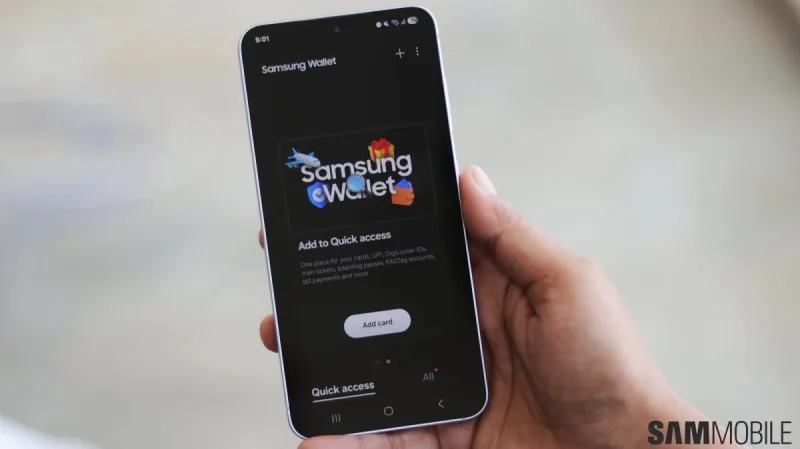
American Airlines now allows passengers to add digital boarding passes to Samsung Wallet, becoming the first U.S. carrier to offer this integration.
Key Takeaways
- •Integrates digital boarding passes directly into Samsung Wallet for Galaxy users.
- •Becomes the first U.S. airline to offer native Samsung Wallet boarding pass support.
- •Allows luggage tracking via Galaxy SmartTag linked to the digital boarding pass.
- •Aligns with industry trends towards contactless travel and mobile-first experiences.
In a move to streamline the passenger journey, American Airlines (AA) has integrated its digital boarding passes with Samsung Wallet, allowing travelers with Galaxy smartphones to store and access their flight information directly within the native application. According to a joint announcement, American Airlines is the first U.S. airline to offer this direct integration, enhancing its mobile-first customer experience strategy.
The collaboration enables passengers to add their boarding pass to Samsung Wallet with a single tap from the American Airlines mobile app. Beyond boarding, the integration offers an additional feature for luggage tracking; passengers can link a Galaxy SmartTag to their checked baggage and monitor its location through the SmartThings Find network, with the status accessible from the digital boarding pass itself. This initiative aligns with a broader industry push toward a more seamless and contactless travel experience, reducing reliance on physical documents and separate applications.
Operational Integration and Passenger Impact
The functionality is designed to centralize key travel information for passengers using Samsung devices. Samsung Wallet, which combines the features of Samsung Pay and Samsung Pass, has demonstrated significant user adoption. In its home market of South Korea, the wallet's Money and Points service surpassed 1 million subscribers within two months of its launch in late 2025, signaling strong consumer appetite for integrated digital solutions. By embedding boarding passes into this ecosystem, American Airlines can reach a significant segment of its customer base.
This partnership supports the operations of one of the world's largest airlines. According to fleet data, American Airlines expected to operate 1,014 mainline aircraft by the end of 2025 and carried over 17 million passengers in December 2025 alone. The airline's AAdvantage loyalty program, with over 115 million members, provides a large, established audience for new digital features that simplify the travel process. The official press release from American Airlines emphasizes that this feature is part of an ongoing effort to make the day of travel easier for customers.
Streamlining the Airport Experience
The adoption of digital boarding passes is complemented by regulatory advancements in airport security. The Transportation Security Administration (TSA) now accepts digital IDs, including those stored in Samsung Wallet, for identity verification at over 250 U.S. airports. While passengers are still required to carry a physical, compliant ID, the use of digital credentials at checkpoints reduces physical touchpoints. Furthermore, American Airlines AAdvantage members can opt into the TSA PreCheck Touchless ID program, which uses facial recognition for identity verification, further minimizing the need to present physical documents.
These initiatives collectively create a more fluid and efficient path through the airport. By combining a digital boarding pass in Samsung Wallet with a digital ID and biometric screening, a passenger can potentially navigate from check-in to the gate with minimal reliance on physical paperwork, a key goal of the industry's move toward contactless travel.
Broader Trends in Airline Technology
American Airlines' integration with Samsung Wallet is indicative of several key industry trends. Airlines globally are deepening their partnerships with major digital wallet providers like Apple Pay and Google Pay to offer a one-click experience for both payment and travel document management. This is a core component of the industry's mobile-first strategy, where a carrier's mobile app becomes the central hub for a customer's entire journey, from booking and seat selection to real-time flight updates and self-service rebooking during disruptions.
While the use of personal trackers like the Galaxy SmartTag offers a consumer-level solution for baggage location, the industry is concurrently investing in more systemic technologies. The widespread adoption of Radio Frequency Identification (RFID) technology provides airlines and airports with real-time, automated baggage tracking, which is more robust and helps reduce mishandling rates. The consumer-focused SmartTag feature serves as a complementary layer of assurance for the passenger. As detailed by Samsung's announcement, the feature is designed to provide peace of mind.
Why This Matters
This partnership between American Airlines and Samsung marks a significant step in the evolution of the digital passenger experience. It moves beyond the airline's own application to integrate travel credentials into a broader digital life ecosystem that millions of consumers use daily. The move positions American Airlines as a leader in mobile convenience among U.S. carriers and reinforces the trend of technology partnerships driving innovation in the aviation sector. For passengers, it simplifies airport logistics, while for the industry, it signals a deeper convergence of travel and personal technology.
Stay ahead of the airline industry with commercial aviation news from flying.flights. Track policy changes, airspace rules, and global aviation governance in the Regulatory category at flying.flights/regulatory.
Written by Ujjwal Sukhwani
Aviation News Editor & Industry Analyst delivering clear coverage for a worldwide audience. Covers flight operations, safety regulations, and market trends with expert analysis.
Visit Profile