Boeing and Technion Push for Cost-Competitive Electrofuels in New SAF Phase

Aviation News Editor & Industry Analyst delivering clear coverage for a worldwide audience.
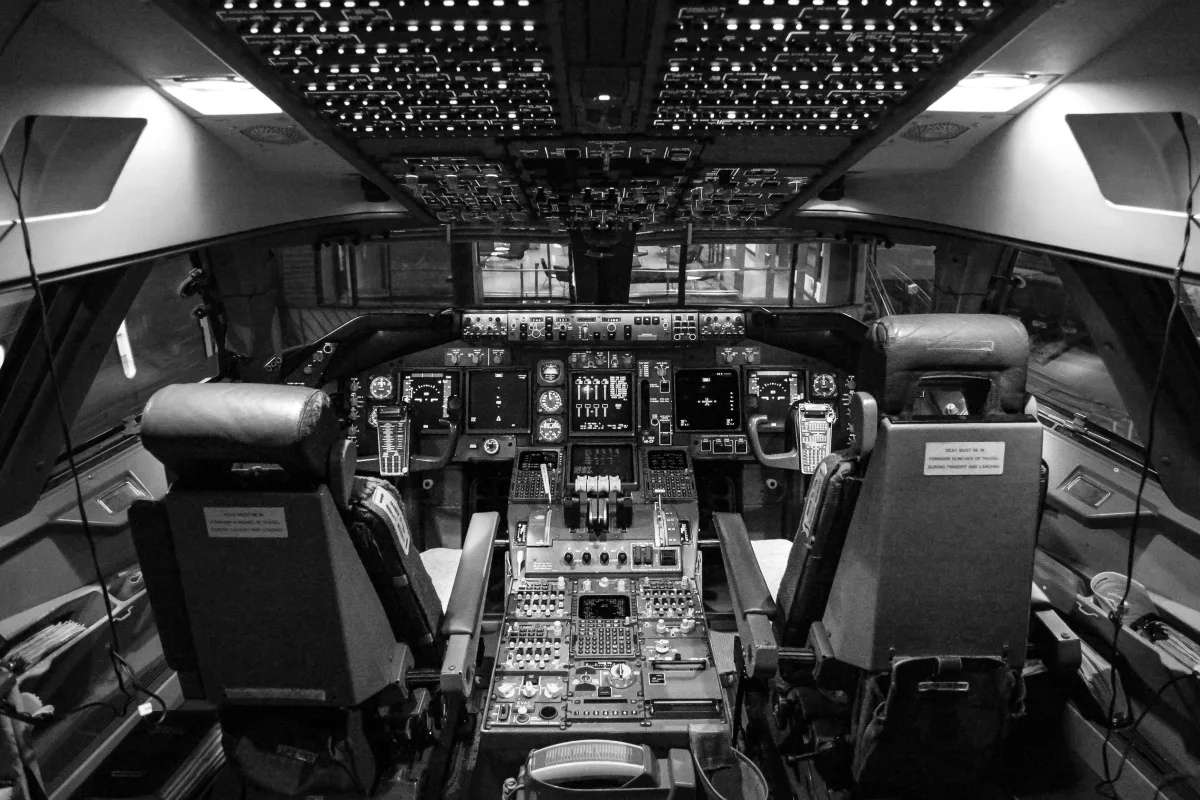
Boeing and the Technion are moving their joint sustainable aviation fuel initiative from studies to practical development of cost-competitive electrofuels.
Key Takeaways
- •Boeing and Technion are moving their joint SAF initiative from feasibility studies to practical, hands-on development of electrofuels (e-SAF).
- •The project focuses on Power-to-Liquid (PtL) e-SAF, which is made using green hydrogen and captured carbon dioxide.
- •The core challenge is cost, as e-SAF is currently estimated to be 2-5 times more expensive than traditional jet fuel, making the 'cost-competitive' focus critical for industry scale.
- •SAF is expected to contribute approximately 65% of the emissions reduction needed for the aviation industry to reach its net-zero 2050 goal.
Aircraft manufacturer Boeing and the Technion – Israel Institute of Technology are advancing their joint initiative on sustainable aviation fuel (SAF).
The collaboration is transitioning from feasibility studies to hands-on development. The goal is to produce cost-competitive electrofuels (e-SAF). This move is a major step for the SAF development project.
The Boeing–Technion SAF Innovation Center
The Boeing–Technion SAF Innovation Center was established in late 2023. It focuses on developing and qualifying electrofuels. E-SAF is produced using the Power-to-Liquid (PtL) process. This process combines green hydrogen with captured carbon dioxide.
This technology is key to reducing aviation carbon emissions. The effort also aims to strengthen energy security. It helps build a local innovation ecosystem in Israel. Israel has a national goal to produce SAF locally by 2030.
Addressing the Cost and Scale Challenge
SAF is the industry’s most significant tool for decarbonizing commercial aviation. The International Air Transport Association (IATA) estimates SAF could provide 65% of the emissions reduction needed. This is required to reach the industry’s net-zero carbon emissions by 2050 goal.
However, the future of jet fuel faces two main challenges: limited supply and high cost. Current SAF production is small, representing only about 0.6% of total jet fuel consumption in 2025. Furthermore, e-SAF production costs are currently estimated to be two to five times higher than traditional jet fuel.
- The Technion project directly addresses the need for cost-competitive electrofuels.
- Making e-SAF cheaper is critical for large-scale adoption by airlines.
- This research is vital for creating viable sustainable aviation solutions globally.
Boeing Global President Dr. Brendan Nelson noted the importance of this work. He stated it supports the growth of the civil aviation industry. The collaboration is crucial for unlocking the production of SAF worldwide.
flying.flights is your source for accurate commercial aviation news and global aviation updates.
Written by Ujjwal Sukhwani
Aviation News Editor & Industry Analyst delivering clear coverage for a worldwide audience. Covers flight operations, safety regulations, and market trends with expert analysis.
Visit ProfileYou Might Also Like
Discover more aviation news based on similar topics

Swedavia Expands SAF Procurement in Sweden with New Partners
Swedavia expanded its SAF procurement initiative, adding Luleå Municipality and Aviator Airport Alliance to reduce emissions and stimulate SAF demand.
Siemens and Caphenia Partner to Scale Sustainable Aviation Fuel Production
Siemens and Caphenia partner to scale Sustainable Aviation Fuel production using automation to meet growing global demand and regulatory mandates.

Airbus and Air bp Sign Multi-Year SAF Supply Deal in Europe
Airbus signed a multi-year deal with Air bp for Sustainable Aviation Fuel to support its aircraft testing and delivery flights in Germany and Spain.
Heathrow Boosts 2026 Sustainable Aviation Fuel Incentive Above UK Mandate
Heathrow Airport is boosting its 2026 Sustainable Aviation Fuel incentive, targeting 5.6% usage to exceed the UK's mandate and spur decarbonization.
Jet2 Completes B737-800 Split Scimitar Winglet Retrofit Program
Jet2 has completed a two-year winglet retrofit for its 74 Boeing 737-800s, aiming to cut annual fuel consumption by over 11 million litres.

Bentley Adopts Sustainable Aviation Fuel for All Global Airfreight
Bentley commits to using Sustainable Aviation Fuel for all global airfreight to reduce the carbon footprint of its vehicle distribution network.