Can Sustainable Aviation Fuel Production Ramping Up Meet Global Airline Demand?

Aviation News Editor & Industry Analyst delivering clear coverage for a worldwide audience.
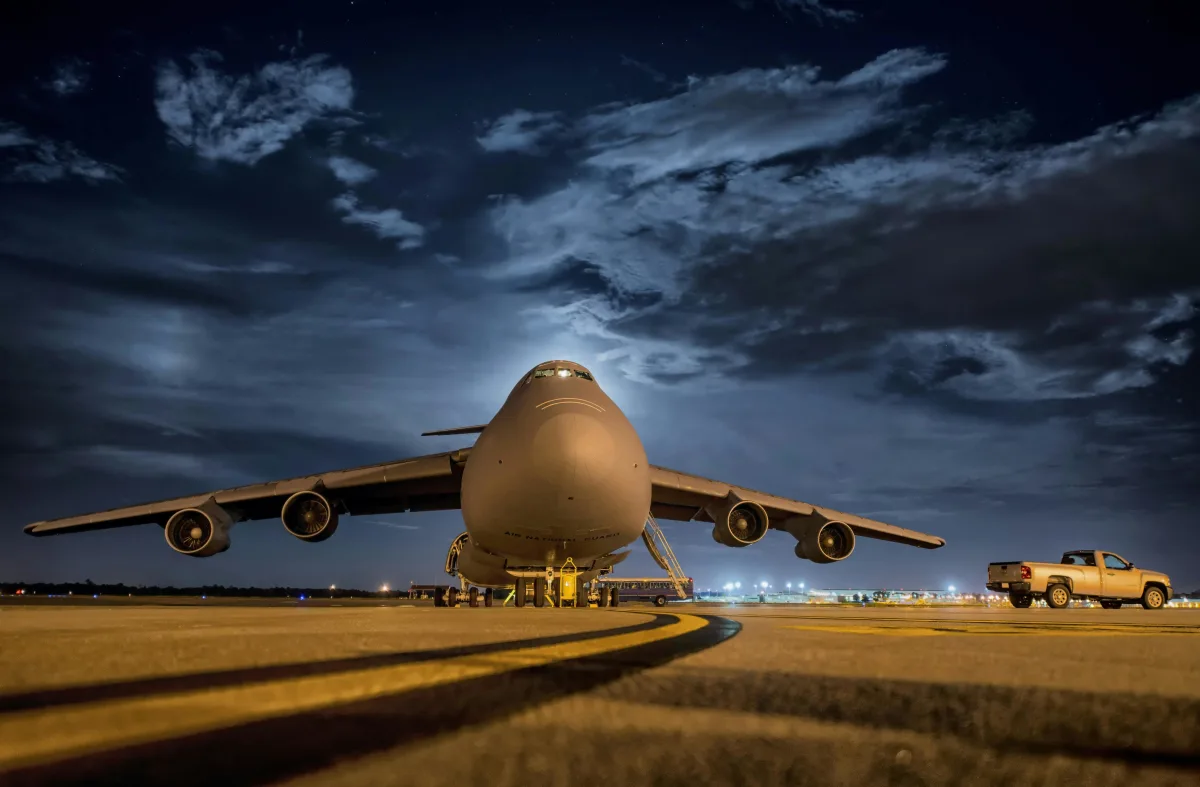
Global production of Sustainable Aviation Fuel is ramping up rapidly as airlines and governments commit to deep carbon reductions in air travel.
Key Takeaways
- •Global SAF production reached 1.3 billion liters in 2024, doubling the previous year's volume.
- •Future capacity is projected to be 6.1-8.2 billion gallons by 2030, a sixteen-fold increase from current levels.
- •IATA warns that supply shortages mean many airlines' voluntary 10% SAF targets for 2030 are impossible to achieve.
- •The EU's ReFuelEU Aviation mandate requires a minimum 6% SAF blend by 2030, rising to 70% by 2050.
The commercial aviation industry is urgently focused on reducing carbon emissions. Sustainable Aviation Fuel (SAF) is the primary tool for this goal. SAF is a drop-in fuel that can reduce lifecycle emissions by up to 80%. The SAF production ramping up globally is a response to rising demand. Airlines and governments have made strong global airline commitments to sustainability. However, the current supply remains a significant challenge.
The Current State of SAF Production
Global SAF production volumes are increasing year-over-year. Production reached 1.3 billion liters in 2024. This figure doubled the volume produced in 2023. Production is expected to reach 2.7 billion liters in 2025. Despite this growth, SAF still accounts for less than 1% of total jet fuel consumption. This shows the scale of the feedstock availability challenge and capacity gap.
Industry projections show a massive increase is possible. Global SAF capacity could reach 6.1 to 8.2 billion gallons annually by 2030. This is roughly 16 times the current capacity. The International Air Transport Association (IATA) estimates a potential global SAF capacity of 20 million tonnes by 2030.
Regulatory Drivers and Mandates
Government mandates are key drivers for the SAF production ramping up. These regulations provide certainty for investment in the fuel supply chain.
European Union and ICAO Targets
The European Union (EU) adopted the ReFuelEU Aviation mandate. This law sets minimum SAF blending requirements. It starts at 2% in 2025. The mandate increases to 6% by 2030. This blend must reach 70% by 2050. The European Union Aviation Safety Agency (EASA) oversees these regulations. The International Civil Aviation Organization (ICAO) also set a goal. ICAO aims for a 5% reduction in international CO2 emissions by 2030. This reduction will be achieved through alternative jet fuels.
Other regions are also setting targets. Singapore will require a 1% SAF blend for departing flights starting in 2026. This target will escalate to 3-5% by 2030. Japan is aiming for a 10% SAF replacement rate by 2030.
The Supply-Demand Disconnect
Despite the positive production trend, a significant gap exists. IATA warns that production growth is "disappointingly slow." The pace of fossil jet fuel consumption growth is much faster. This makes many airline targets for 10% SAF use by 2030 unachievable. Airlines made these global airline commitments in good faith. However, supply is not sufficient to meet the ambition.
Key Challenges for Decarbonizing Air Travel
- Feedstock Constraint: Current SAF is mainly produced using the HEFA pathway. This relies on used cooking oil and animal fats. These sources are limited in supply.
- Technology Diversification: Progress in next-generation SAF technologies is slow. These include alcohol-to-jet and power-to-liquid. These methods are essential for the net-zero aviation goal.
- Cost and Policy: SAF prices are significantly higher than fossil jet fuel. IATA has criticized fragmented policies. They say poor policy slows investment and increases prices. Governments must provide strategic production incentives. This is necessary to accelerate SAF deployment.
Get breaking commercial aviation news and expert airline analysis at flying.flights.
Written by Ujjwal Sukhwani
Aviation News Editor & Industry Analyst delivering clear coverage for a worldwide audience. Covers flight operations, safety regulations, and market trends with expert analysis.
Visit ProfileYou Might Also Like
Discover more aviation news based on similar topics

Swedavia Expands SAF Procurement in Sweden with New Partners
Swedavia expanded its SAF procurement initiative, adding Luleå Municipality and Aviator Airport Alliance to reduce emissions and stimulate SAF demand.
Siemens and Caphenia Partner to Scale Sustainable Aviation Fuel Production
Siemens and Caphenia partner to scale Sustainable Aviation Fuel production using automation to meet growing global demand and regulatory mandates.

Airbus and Air bp Sign Multi-Year SAF Supply Deal in Europe
Airbus signed a multi-year deal with Air bp for Sustainable Aviation Fuel to support its aircraft testing and delivery flights in Germany and Spain.
Heathrow Boosts 2026 Sustainable Aviation Fuel Incentive Above UK Mandate
Heathrow Airport is boosting its 2026 Sustainable Aviation Fuel incentive, targeting 5.6% usage to exceed the UK's mandate and spur decarbonization.
Jet2 Completes B737-800 Split Scimitar Winglet Retrofit Program
Jet2 has completed a two-year winglet retrofit for its 74 Boeing 737-800s, aiming to cut annual fuel consumption by over 11 million litres.

Bentley Adopts Sustainable Aviation Fuel for All Global Airfreight
Bentley commits to using Sustainable Aviation Fuel for all global airfreight to reduce the carbon footprint of its vehicle distribution network.