Delhi Airport Cancels 100+ International Flights Amid Mideast Crisis

Aviation News Editor & Industry Analyst delivering clear coverage for a worldwide audience.

Delhi's IGIA airport cancelled over 100 international flights due to escalating tensions in West Asia, causing significant passenger and airline disruption.
Key Takeaways
- •Cancelled over 100 international flights at Delhi's IGIA due to Mideast crisis.
- •Impacted major carriers including IndiGo, Air India, and Emirates with route changes.
- •Forced westbound flights to use longer, rerouted paths, increasing flight times.
- •Affected Indian carriers disproportionately due to high exposure to Middle East routes.
Geopolitical tensions in West Asia have forced the cancellation of over 100 international flights at Delhi's Indira Gandhi International Airport (IGIA), leading to significant disruptions for passengers and airlines. The cancellations, which include 62 departures and 42 arrivals, highlight the aviation industry's vulnerability to regional instability and airspace closures.
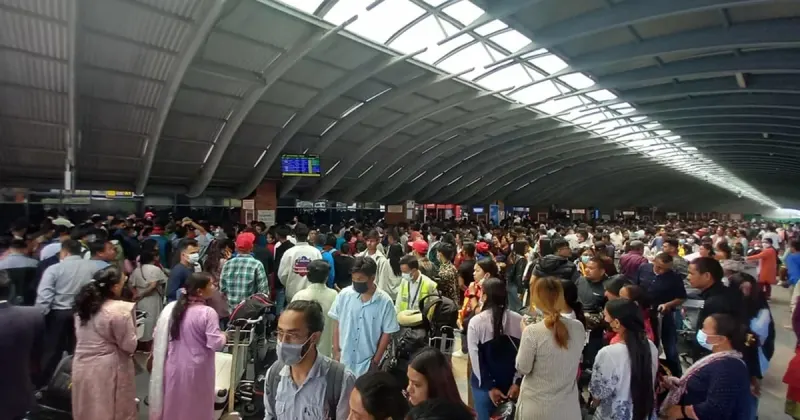
The operational impact at one of India's busiest hubs was immediate. Delhi International Airport Limited (DIAL), the joint venture operating IGIA, confirmed schedule changes and advised passengers to contact their respective airlines for the latest flight information. Despite many cancellations being announced in advance, the airport's Terminal 3 experienced significant crowding as travelers sought alternative routes and updates. The disruption extends beyond international routes, with domestic flights also facing delays due to cascading airspace congestion.
Widespread Aviation Disruption
The flight cancellations at IGIA are part of a broader pattern of disruption affecting Indian aviation. According to data from PTI, Indian carriers cancelled approximately 760 overseas flights in the two days leading up to March 2, 2026. While the source article cited over 100 cancellations at Delhi, other reports from PTI on the same day noted a figure of 87 international flight cancellations, comprising 37 departures and 50 arrivals.
In a statement posted on social media platform X, DIAL acknowledged the situation: "Ongoing political developments in the Middle East are causing delays or schedule changes for some westbound international flights." The airport, which handles over 1,300 flight movements daily, is a critical node for travel between Asia and the West, making it particularly susceptible to disruptions in the Middle East corridor.
Several airlines have suspended or altered their services. Carriers including IndiGo, Akasa Air, Air India, Qatar Airways, and Emirates have adjusted routes in response to the regional tensions. The airspace closures are forcing westbound flights destined for Europe and North America to take alternative, longer paths. This rerouting often results in increased flight times and may necessitate additional technical stops for refueling, adding operational complexity and cost for airlines.
Disproportionate Impact on Indian Carriers
Indian airlines face a particularly acute challenge due to their significant operational exposure to the Middle East. This is compounded by a pre-existing ban on using Pakistani airspace for many routes, which already limits routing options. An analysis of March schedules reveals the extent of this exposure: SpiceJet has its entire international schedule directed through the region, while Air India Express has 60% exposure and IndiGo has 41%.
In response to the widespread disruption, airlines have begun implementing passenger support measures. IndiGo and Akasa Air announced they would offer full flexibility for bookings made on or before February 28, 2026. This includes options for passengers to reschedule their flights or receive full refunds, providing some relief to those affected by the sudden cancellations. Passengers at IGIA were seen queuing at ticket counters for hours, with some waiting in nightwear after their flights were abruptly grounded. Airline staff were observed distributing refreshment boxes to stranded travelers. For the latest official updates, travelers are encouraged to consult the Delhi International Airport (DIAL) Official Website.
Context and Outlook
The current wave of cancellations reflects a growing trend of airlines extending flight suspensions to and from Middle Eastern destinations. As the geopolitical situation remains fluid, the duration of these disruptions is uncertain. Airlines and airport operators are managing the situation on a day-by-day basis, balancing operational feasibility with passenger and crew safety. The rerouting of long-haul flights is expected to continue until the airspace in the affected regions is deemed safe for commercial transit. This will likely result in continued schedule unpredictability and potentially higher operational costs for airlines, which may eventually be passed on to consumers.
Why This Matters
This event underscores the fragility of global aviation networks in the face of geopolitical conflict. For India, it highlights the strategic vulnerability of its primary international gateway, IGIA, to instability in the critical Middle East air corridor. The financial and operational strain on Indian carriers, already navigating a competitive market, is significant. For passengers, it serves as a stark reminder that international travel schedules can be subject to immediate and widespread disruption beyond the control of airlines, necessitating greater flexibility in travel planning.
From airline operations to fleet updates, commercial aviation news lives at flying.flights. For detailed airline coverage, route changes, and fleet moves, explore the Airlines section at flying.flights/airlines.
Written by Ujjwal Sukhwani
Aviation News Editor & Industry Analyst delivering clear coverage for a worldwide audience. Covers flight operations, safety regulations, and market trends with expert analysis.
Visit Profile