

EASA mandates crucial modifications to silence older aircraft noise near airports.


Key Points
- 1The European Union Aviation Safety Agency (EASA) has reportedly approved a new mandate requiring modifications to older aircraft to reduce noise pollution.
- 2The measures target legacy commercial jets certified under older ICAO noise standards, such as Chapter 3, to align them closer to modern Chapter 14 limits.
- 3Airlines must invest in retrofitting solutions like 'hush kits' or modern nacelles, posing a significant operational and financial challenge for carriers with aging fleets.
- 4The primary goal is to enhance community noise mitigation and improve environmental sustainability in aviation around major European airports.
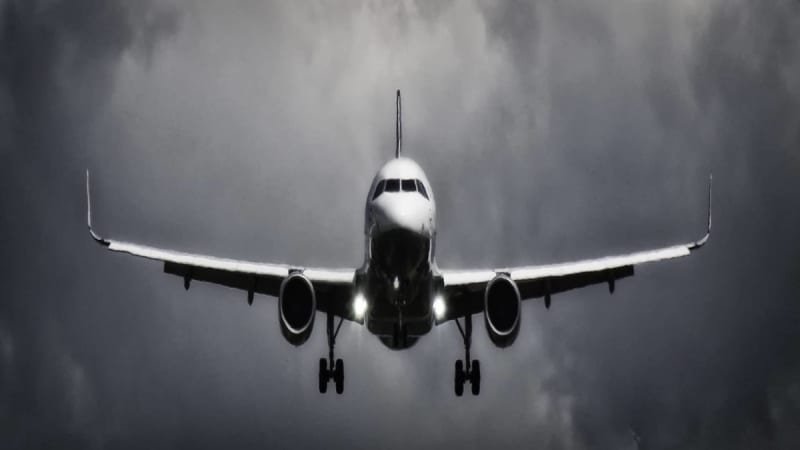
The European Union Aviation Safety Agency (EASA) has reportedly approved new noise reduction measures for older aircraft. This major regulatory change requires airlines to implement specific modifications. The goal is to significantly reduce noise pollution around airports. This action aims to mitigate the impact of aviation on local communities.
Background on Aircraft Noise Regulations
Aircraft noise is a key environmental concern for the aviation industry. Global standards are set by the International Civil Aviation Organization (ICAO). EASA certifies aircraft against these standards. These rules are detailed in ICAO Annex 16, Volume I. Older aircraft types were certified under less stringent rules. These include ICAO Chapter 3 noise limits, applicable from 1977. Newer aircraft must meet the stricter Chapter 4 (2006) or Chapter 14 (2018) standards.
The average noise performance of the in-service fleet is improving. This is due to the gradual replacement of older, noisier types. However, some legacy aircraft, particularly older Boeing and Airbus models, remain in service. These older jets often have a larger noise footprint. Without limits, significantly increased noise exposure could outweigh the benefits of quieter subsonic models.
The New EASA Mandate and Industry Impact
The new EASA noise reduction measures specifically target older aircraft still operating in Europe. The mandate requires airlines to implement aircraft modification requirements. These modifications are necessary to achieve better noise performance. This push supports the overall goal of environmental sustainability in aviation.
The required changes could involve retrofitting technology. One common modification is the use of "hush kits". Hush kits are retrofittable devices that reduce jet exhaust noise. Other potential modifications include upgrading nacelles or installing advanced noise control systems. Implementing these changes can be costly for operators. Engine internal redesigns are especially expensive. This presents a significant financial challenge for carriers with large, aging jet inventories.
Mitigating Community Noise Mitigation
The primary motivation for this ruling is to enhance community noise mitigation. This ensures a high, uniform level of environmental protection. By mandating modifications, EASA is working to minimize the impact on local populations. The overall trend confirms that technology is available to support increased noise stringency in the short term. This regulatory action highlights the ongoing push for quieter air travel. It ensures that older aircraft contribute to the overall noise reduction efforts.
Airlines must now assess their older fleets. They must determine the cost and timeline for compliance. This mandate creates an opportunity for maintenance and modification providers. For more updates on this and other regulatory developments, visit our commercial aviation news section [https://flying.flights].
Topics

Written by
Ujjwal SukhwaniAviation News Editor & Industry Analyst delivering clear coverage for a worldwide audience.
View ProfileYou Might Also Like
Discover more aviation news based on similar topics

EASA Clears Path for Older Aircraft to Meet Stricter Noise Rules
EASA has approved a new noise reduction technology for older aircraft, offering airlines a cost-effective path to comply with stricter environmental regulations.
Will EASA's New Noise Tech Finally Silence Airport Community Concerns?
EASA has approved a new noise reduction technology for commercial aircraft, expected to significantly cut noise pollution for airport communities and be available for both new and existing fleets.

Which Nation Enforces the World's Strictest Pilot Alcohol Testing Rules?
Regulators worldwide enforce strict pilot alcohol testing rules and "bottle to throttle" policies to maintain aviation safety, with India's DGCA cited for having the most stringent zero-tolerance limit.

What New EASA Approval Means for Airbus A320neo Noise Levels
EASA has approved a new noise reduction technology for the Airbus A320neo family, significantly lowering noise pollution around major airports globally.

How EASA's New Approval Will Quiet the Boeing 737 MAX Fleet
EASA approves a new noise reduction technology for the Boeing 737 MAX, significantly reducing noise pollution and aiding airlines in meeting stricter airport noise regulations.

Amazon Shelves Prime Air in Italy: What Stopped Commercial Drone Delivery?
Amazon has paused its Prime Air drone delivery launch in Italy, citing broader business regulatory constraints despite successful technical trials.