EcoCeres Commissions US$500M SAF Facility in Johor, Malaysia

Aviation News Editor & Industry Analyst delivering clear coverage for a worldwide audience.
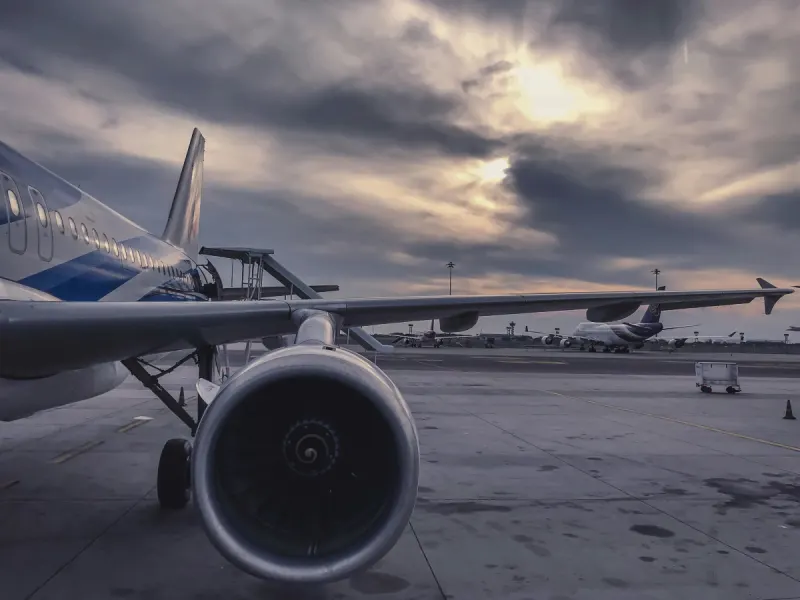
EcoCeres commissioned a US$500M SAF facility in Johor, boosting Malaysia's role in the global low-carbon aviation fuel supply chain.
Key Takeaways
- •Commissions a US$500 million SAF facility in Johor, Malaysia.
- •Adds 420,000 tonnes of annual renewable fuel capacity.
- •Aligns with Malaysia's national goal of a 47% SAF blending target by 2050.
- •Targets European export markets driven by green fuel blending mandates.
Hong Kong-based producer EcoCeres has commissioned Malaysia's first commercial-scale Sustainable Aviation Fuel (SAF) facility, a US$500 million (approx. RM2.3 billion) investment located in Tanjung Langsat, Johor. The plant, which began operations in October 2025, has a total annual production capacity of 420,000 tonnes of renewable fuels, significantly strengthening Malaysia's position in the global supply chain for low-carbon aviation.
The new facility is a key component of Malaysia's strategy to become a regional leader in green technology and renewable energy. It is expected to create approximately 300 local jobs and will utilize feedstocks such as used cooking oil and Palm Oil Mill Effluent (POME), a wastewater byproduct from the palm oil industry. In addition to SAF, the plant will produce Hydrotreated Vegetable Oil (HVO) and renewable naphtha.
EcoCeres CEO Matti Lievonen described the plant as "a major step forward for EcoCeres' regional platform and for Malaysia's renewable fuel industry." He added that it "demonstrates our commitment to reliable supply capability and high product quality as customers' demand for renewable fuel solutions accelerates." The Johor facility increases EcoCeres' total global renewable fuel capacity to approximately 770,000 tonnes per year, including its existing plant in China.
Regulatory Alignment and National Strategy
The project aligns directly with several key Malaysian government initiatives aimed at decarbonization. According to Minister of Plantation and Commodities, Datuk Seri Dr Noraini Ahmad, the facility supports the country's National Energy Transition Roadmap (NETR) and the National Agri-commodity Policy (DAKN) 2030.
Furthermore, the plant's mission is consistent with the Malaysia Aviation Decarbonisation Blueprint (MADB), which identifies SAF as a critical pathway to achieving net-zero emissions by 2050. The blueprint outlines an ambitious goal of achieving up to a 47% SAF blending rate in the nation's aviation fuel supply by that year. The development of domestic production capacity is essential to meeting this target and reducing reliance on imported fuels.
Market Context and Export Focus
The commissioning of the Johor facility comes as the global aviation industry intensifies its search for viable alternatives to conventional jet fuel. SAF is considered a primary tool for decarbonization, capable of reducing lifecycle CO2 emissions by up to 80% compared to its fossil-based counterpart. The global SAF market, valued at approximately USD 2.72 billion in 2025, is projected to experience substantial growth over the next decade.
While the plant leverages Malaysia's position as a major producer of potential feedstocks, EcoCeres has stated its primary target market is Europe. This focus is driven by strong demand resulting from government-led green fuel blending mandates in the European Union, which create a reliable offtake market for SAF producers. This export-oriented strategy positions Malaysia not just as a source of raw materials but as a key producer of high-value renewable fuels for the international market. For more details, the company released an official statement on its website: EcoCeres Inaugurates First Sustainable Aviation Fuel Plant in Malaysia.
Dr. Peter Lee, a founding investor of EcoCeres, noted the company's growth "from a laboratory in Hong Kong into one of the world's leading producers of SAF." He stated that the new Johor plant demonstrates how "regional commitment to sustainability can feed into the global search for climate solutions."
Why This Matters
In my view, the establishment of this facility is more than just an industrial milestone; it's a strategic move for Malaysia's economic future. By transitioning from a supplier of raw commodities like palm oil to a producer of high-tech, value-added products like SAF, the country is positioning itself to capture a more lucrative and sustainable segment of the global energy market. This project serves as a powerful case study for how commodity-rich nations can leverage their natural advantages to become key players in the green energy transition, creating skilled jobs and securing long-term economic relevance in a decarbonizing world.
Stay ahead of the airline industry with commercial aviation news from flying.flights. Get the latest updates on major hubs, regional terminals, and airport operations via the Airports section at flying.flights/airports.
Written by Ujjwal Sukhwani
Aviation News Editor & Industry Analyst delivering clear coverage for a worldwide audience. Covers flight operations, safety regulations, and market trends with expert analysis.
Visit ProfileYou Might Also Like
Discover more aviation news based on similar topics

Swedavia Expands SAF Procurement in Sweden with New Partners
Swedavia expanded its SAF procurement initiative, adding Luleå Municipality and Aviator Airport Alliance to reduce emissions and stimulate SAF demand.
Siemens and Caphenia Partner to Scale Sustainable Aviation Fuel Production
Siemens and Caphenia partner to scale Sustainable Aviation Fuel production using automation to meet growing global demand and regulatory mandates.

Airbus and Air bp Sign Multi-Year SAF Supply Deal in Europe
Airbus signed a multi-year deal with Air bp for Sustainable Aviation Fuel to support its aircraft testing and delivery flights in Germany and Spain.
Heathrow Boosts 2026 Sustainable Aviation Fuel Incentive Above UK Mandate
Heathrow Airport is boosting its 2026 Sustainable Aviation Fuel incentive, targeting 5.6% usage to exceed the UK's mandate and spur decarbonization.
Jet2 Completes B737-800 Split Scimitar Winglet Retrofit Program
Jet2 has completed a two-year winglet retrofit for its 74 Boeing 737-800s, aiming to cut annual fuel consumption by over 11 million litres.

Bentley Adopts Sustainable Aviation Fuel for All Global Airfreight
Bentley commits to using Sustainable Aviation Fuel for all global airfreight to reduce the carbon footprint of its vehicle distribution network.