EcoCeres Unlocks Asia's Green Fuel Future with Malaysia SAF Plant Launch

Aviation News Editor & Industry Analyst delivering clear coverage for a worldwide audience.
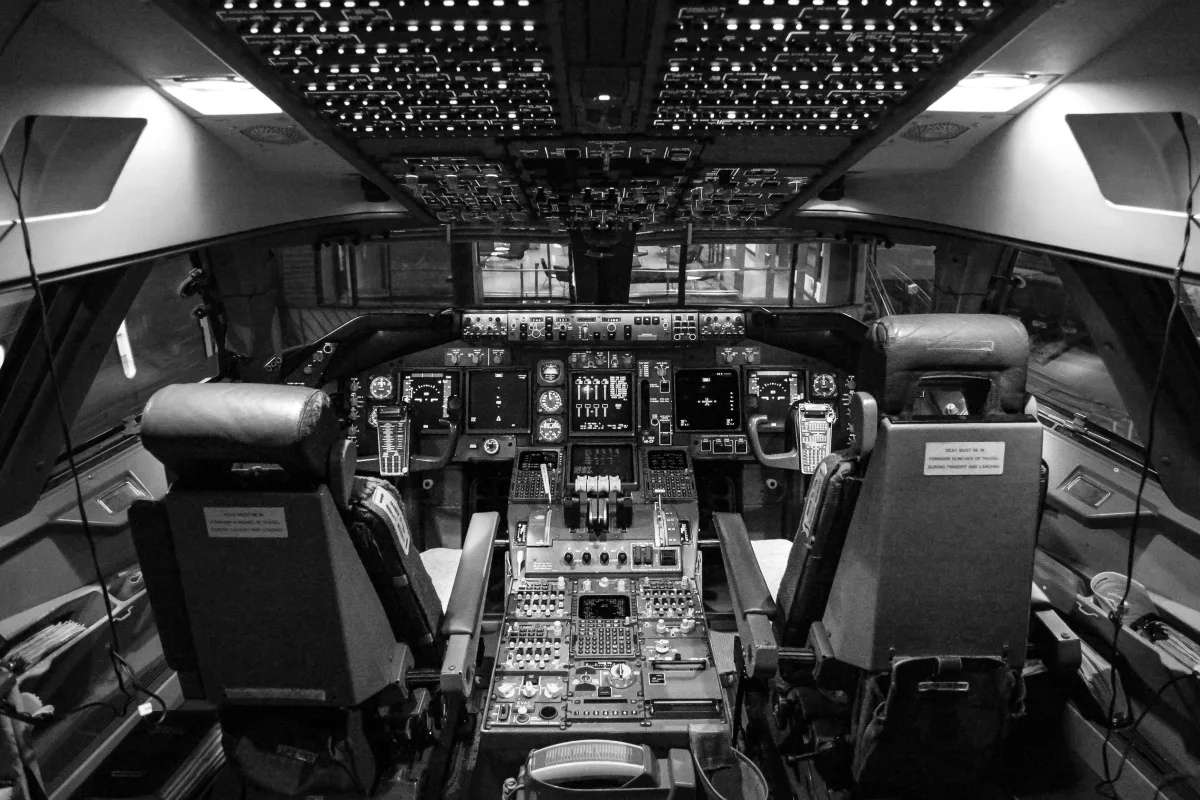
EcoCeres launched Malaysia's first commercial Sustainable Aviation Fuel plant in Johor, boosting Asia's renewable fuel capacity by 420,000 tonnes annually.
Key Takeaways
- •EcoCeres launched Malaysia's first commercial-scale Sustainable Aviation Fuel (SAF) plant in Johor on January 26, 2026.
- •The facility has a combined maximum annual production capacity of 420,000 tonnes of SAF, HVO, and Renewable Naphtha.
- •The plant utilizes 100% waste-based feedstocks, such as used cooking oil, to produce fuel that reduces life-cycle GHG emissions by up to 90%.
- •The project supports Malaysia's National Energy Transition Roadmap and the initial 1% SAF blending target for the aviation sector.
The commercial aviation industry has reached a significant sustainability milestone in Southeast Asia. EcoCeres Inc. has officially inaugurated its first Sustainable Aviation Fuel (SAF) production facility in Johor, Malaysia. The state-of-the-art plant in Pasir Gudang marks a historic moment as the country's first commercial-scale SAF production site.
The new facility dramatically expands the Asia SAF capacity for renewable fuels. It boasts a combined maximum annual output of 420,000 tonnes. This total capacity includes Sustainable Aviation Fuel (SAF), Hydrotreated Vegetable Oil (HVO), and Renewable Naphtha.
Strategic Production and Feedstock
EcoCeres began commercial operations at the Johor site in October 2025. The plant uses advanced, proprietary waste-to-fuel technology. This process converts waste-based feedstock into high-value sustainable fuels. Primary feedstocks include used cooking oil (UCO) and palm-based waste oil.
Using 100% waste-based feedstock allows the fuel to reduce life-cycle greenhouse gas (GHG) emissions by up to 90%. The facility is strategically located in Johor, providing excellent access to regional feedstock. It also offers seaborne logistics for global SAF supply chain deliveries.
Industry and Regulatory Impact
This launch positions Malaysia as a key regional hub for renewable aviation fuels. The project directly supports the nation's sustainability goals. It aligns with the Malaysia Aviation Decarbonisation Blueprint (MADB).
This blueprint provides a roadmap to reduce aviation carbon emissions. Furthermore, the National Energy Transition Roadmap (NETR) includes an initial 1% SAF blending target. This target is crucial for creating demand and supporting market growth.
The aviation decarbonisation blueprint is vital for the region. The Association of Southeast Asian Nations (ASEAN) holds big potential for SAF. The region is expected to become a significant SAF producer and user by 2050.
- Global Market Focus: While the plant supports Asia-Pacific, Europe is a main target market. This is due to strong demand driven by green fuel blending mandates.
- Regional Growth: EcoCeres is also actively building markets across the Asia-Pacific region. This includes South-east Asia, Australia, New Zealand, and Singapore.
The Future of Renewable Fuels
The new EcoCeres Johor Malaysia facility contributes to a total regional renewable fuels capacity of 770,000 tonnes per year. This includes the company's existing plant in Jiangsu, China. The company's expansion reinforces its role as a global leader. It supports decarbonisation across aviation and other sectors.
Scaling up Sustainable Aviation Fuel production is a major challenge for the global industry. The International Air Transport Association (IATA) views SAF as the most critical tool for achieving net-zero carbon emissions by 2050. The EcoCeres plant helps address the critical need for increased SAF supply. This move is essential for the aviation industry's long-term environmental targets.
Access up-to-date commercial aviation news and airline industry developments via flying.flights.
Written by Ujjwal Sukhwani
Aviation News Editor & Industry Analyst delivering clear coverage for a worldwide audience. Covers flight operations, safety regulations, and market trends with expert analysis.
Visit ProfileYou Might Also Like
Discover more aviation news based on similar topics

Swedavia Expands SAF Procurement in Sweden with New Partners
Swedavia expanded its SAF procurement initiative, adding Luleå Municipality and Aviator Airport Alliance to reduce emissions and stimulate SAF demand.
Siemens and Caphenia Partner to Scale Sustainable Aviation Fuel Production
Siemens and Caphenia partner to scale Sustainable Aviation Fuel production using automation to meet growing global demand and regulatory mandates.

Airbus and Air bp Sign Multi-Year SAF Supply Deal in Europe
Airbus signed a multi-year deal with Air bp for Sustainable Aviation Fuel to support its aircraft testing and delivery flights in Germany and Spain.
Heathrow Boosts 2026 Sustainable Aviation Fuel Incentive Above UK Mandate
Heathrow Airport is boosting its 2026 Sustainable Aviation Fuel incentive, targeting 5.6% usage to exceed the UK's mandate and spur decarbonization.
Jet2 Completes B737-800 Split Scimitar Winglet Retrofit Program
Jet2 has completed a two-year winglet retrofit for its 74 Boeing 737-800s, aiming to cut annual fuel consumption by over 11 million litres.

Bentley Adopts Sustainable Aviation Fuel for All Global Airfreight
Bentley commits to using Sustainable Aviation Fuel for all global airfreight to reduce the carbon footprint of its vehicle distribution network.