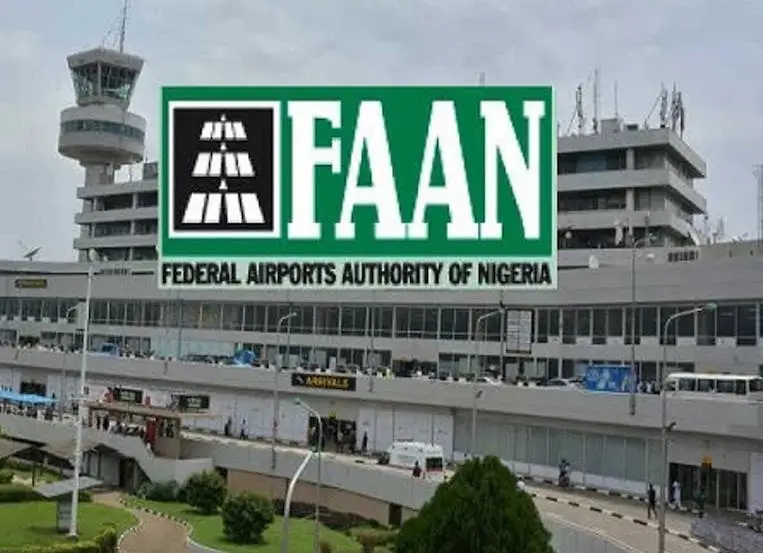
FAAN Partners MTN to Launch Free Wi-Fi at Major Nigerian Airports

Aviation News Editor & Industry Analyst delivering clear coverage for a worldwide audience.

FAAN and MTN launched free Wi-Fi at Nigeria's major airports, starting in Lagos, to enhance passenger experience and modernize airport infrastructure.
Key Takeaways
- •Partners with MTN to deploy free, high-speed Wi-Fi across major Nigerian airports.
- •Launched initially at Lagos (MMIA) and Abuja (NAIA) airports.
- •Operates under a Public-Private Partnership model with no cost to passengers.
- •Plans expansion to Kano, Port Harcourt, and Enugu airports in the coming months.
The Federal Airports Authority of Nigeria (FAAN), in partnership with Mobile Telephone Networks (MTN), has launched free, high-speed Wi-Fi service at Murtala Muhammed International Airport (MMIA) in Lagos. The initiative addresses a long-standing infrastructure gap and is part of a broader plan to modernize passenger amenities across the country's key aviation hubs, with an initial rollout also including Nnamdi Azikiwe International Airport (NAIA) in Abuja.
This development is a significant step for Nigerian aviation, aiming to improve passenger experience and align the country's airports with global standards. For years, the lack of reliable connectivity has been a point of frustration for travelers and a competitive disadvantage for the airports. Previous attempts to establish a stable Wi-Fi network, including a collaboration with another provider, failed to deliver consistent service. The new partnership marks a renewed effort to equip Nigeria's aviation gateways with essential modern technology.
The Public-Private Partnership Model
The Wi-Fi service is being deployed at no direct cost to FAAN or to passengers. According to FAAN's Director of Commercial and Business Development, Ms. Joy Agunbiade, the project is structured as a Public-Private Partnership (PPP). Under this model, MTN provides the internet infrastructure and service in exchange for branding and advertising rights within the airport terminals. This approach allows for critical infrastructure upgrades without direct government expenditure, a crucial factor given that only 3 of the 22 airports managed by FAAN are profitable, according to agency data.
FAAN's Managing Director, Mrs. Olubunmi Kuku, described the rollout as more than a convenience, calling it an essential amenity for modern travel. "Today, in partnership with MTN Nigeria, we flip the switch on free, reliable, high-speed internet connectivity for airport users," Kuku stated at the launch. She emphasized that airports are no longer just transit points but "micro-cities where contracts are negotiated, diplomatic briefs are reviewed and life’s most emotional reunions unfold in real time."
To ensure a smooth user experience, brand ambassadors have been stationed at terminals to assist passengers with the log-on process. MTN confirmed that the network is engineered to manage high-density traffic typical of an international airport. Mrs. Cynthia Saint-Nwafor, MTN’s Chief Enterprise Business Officer, noted that the system is supported by smart analytics to monitor usage patterns and maintain performance.
Addressing Past Challenges and Future Expansion
The successful launch follows years of criticism over the absence of reliable internet at Nigeria's international airports, which handled a total of 16,877,818 passengers in 2024. Past failures were often attributed to challenges faced by Internet Service Providers (ISPs), including inconsistent power supply and difficulty in creating a viable commercial model for free services.
Ladi Okuneye, CEO of UniCloud, a local cloud infrastructure provider, previously highlighted the financial hurdles. He explained that after initial setup costs, service providers are often left to find ways to commercialize the service, typically through advertising. However, major ad platforms may not offer revenue-sharing agreements unless the network consistently attracts tens of thousands of users. The FAAN-MTN model circumvents this by directly linking the service provision to valuable advertising space across FAAN's network, which serves millions of passengers annually.
Following the launch in Lagos and Abuja, FAAN announced that the service will be extended to airports in Kano, Port Harcourt, and Enugu within the next few months. This phased expansion is part of a wider strategy to improve infrastructure and service quality across the board. While initial reports from passengers at MMIA were mixed—with some connecting successfully and others facing difficulties—the service is expected to stabilize and become more efficient as the rollout progresses.
Why This Matters
This initiative represents a critical component of the digital transformation of Nigeria's aviation sector. Providing reliable, free Wi-Fi addresses a fundamental passenger expectation and directly impacts airport ratings and customer satisfaction, which are increasingly influenced by digital amenities. The successful implementation of a PPP model also provides a template for funding other essential airport infrastructure projects. For passengers, this development eliminates the immediate need to purchase local Subscriber Identity Module (SIM) cards upon arrival and enables seamless connectivity for business and personal communication. For the industry, it signals Nigeria's commitment to modernizing its aviation gateways to better compete on a continental and global scale.
flying.flights provides comprehensive commercial aviation news covering airlines, aircraft, and airports. Stay informed on aviation incidents, investigations, and best practices in the Safety category at flying.flights/safety.
Written by Ujjwal Sukhwani
Aviation News Editor & Industry Analyst delivering clear coverage for a worldwide audience. Covers flight operations, safety regulations, and market trends with expert analysis.
Visit Profile