FAAN to Demolish Fire-Damaged Lagos Terminal 1 in 22-Month Remodel

Aviation News Editor & Industry Analyst delivering clear coverage for a worldwide audience.
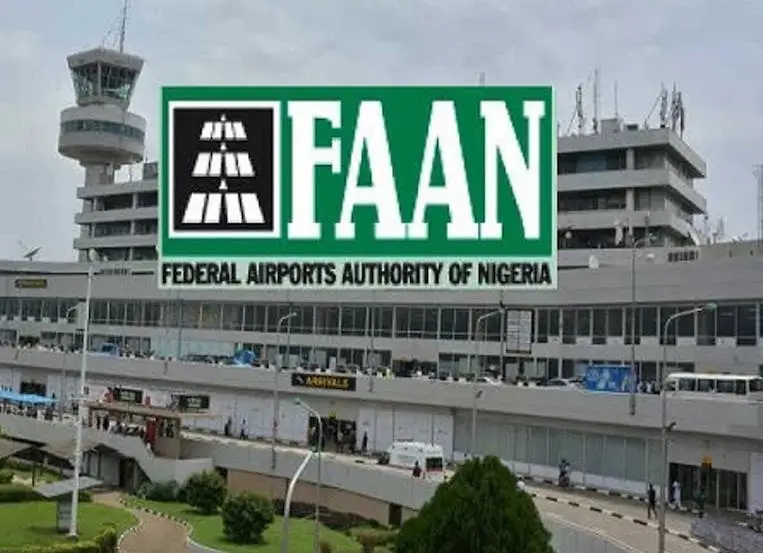
FAAN will demolish Lagos' fire-damaged Terminal 1 for a 22-month remodel, accelerating a plan to address severe passenger overcapacity at the airport.
Key Takeaways
- •Accelerates demolition of Lagos Terminal 1 following a February 23 fire.
- •Targets a 22-month timeline for construction of a new terminal structure.
- •Addresses severe overcapacity as the old terminal handled 4 million passengers vs. a 250,000 design.
- •Maintains flight operations using the new Terminal 2 and a temporary terminal during the rebuild.
The Federal Airports Authority of Nigeria (FAAN) has confirmed it will demolish the old international terminal at Murtala Muhammed International Airport (MMIA) in Lagos following a recent fire. The demolition paves the way for the construction of a new structure, a project expected to be completed within 22 months. The fire, which occurred on February 23, 2026, has accelerated the timeline for the long-planned overhaul of the 1979-era facility, known as Terminal 1.
According to FAAN's Director of Airport Operations, Captain Abdullahi Zubeir Mahmood, the incident has made the rebuilding effort more urgent. "With this fire now, nobody is going to stay in that building again... in a few days the terminal will be emptied and it will be ripped off," Mahmood stated. "The fire has led to accelerated work on the structure." This move expedites a rehabilitation project for which the federal government had already earmarked N712.26 billion in August of the previous year.
Project Scope and Operational Continuity
The project is a key component of a wider N900 billion aviation infrastructure upgrade plan in Nigeria. The immediate priority is to ensure passenger traffic management during the construction phase. FAAN has established a multi-terminal strategy to maintain operations. All international arrivals were previously relocated to the new Terminal 2 on October 1, 2023, following a directive from the Minister of Aviation and Aerospace Development, Festus Keyamo.
For the duration of the Terminal 1 rebuild, a temporary terminal will be used for departures by four international airlines. "What we want to do is just to move the equipment that are there to the temporary terminal," Mahmood explained. This phased approach is designed to mitigate disruption at Nigeria's busiest airport. The fire also impacted critical infrastructure, with the Nigerian Airspace Management Agency (NAMA) confirming that air-to-ground communication systems were completely affected. In response, FAAN plans to install a Mobile Tower in an elevated location to ensure air traffic controllers have a comprehensive view of the airfield.
Addressing Critical Overcapacity
The demolition and rebuild are essential to address severe overcapacity at MMIA. The original Terminal 1, which opened in 1979, was designed to handle 250,000 passengers annually. In recent years, it was servicing approximately four million passengers per year, a sixteen-fold increase over its intended capacity. Data from FAAN shows that international passenger traffic at MMIA reached 4.3 million in 2024, underscoring the strain on the outdated facility.
Captain Mahmood highlighted the extreme utilization of the old terminal. "The capacity of the first terminal had been overstretched... The facility was over-utilised. And there was no provision for expansion. That was why Terminal 2 was built." The new Terminal 1, once completed, will work in conjunction with Terminal 2 to accommodate Nigeria's growing demand for international air travel and reduce operational pressure. Further details on the project are available via FAAN's official MMIA Rehabilitation and Expansion Project FAQ.
What Comes Next
In the immediate future, concessionaires and airlines will vacate the damaged Terminal 1 within two to three weeks. Following the evacuation, the building will be stripped of equipment and prepared for demolition. While the initial budget of N712.26 billion remains the baseline, officials acknowledge that the fire damage may necessitate adjustments. An integrity test on the remaining structure is required, which could impact the final project cost.
"We still maintain the initial budget for now; but definitely, because of this fire, we cannot say... naturally, they have to do an integrity test on the structure," Mahmood noted. The 22-month construction timeline will commence after the site is cleared, positioning the new terminal for a potential opening in late 2027 or early 2028, subject to the project schedule.
Why This Matters
This project represents a critical step in modernizing Nigeria's aviation infrastructure. The successful execution of the Terminal 1 rebuild at the country's primary international gateway is vital for supporting economic growth, improving passenger safety and experience, and positioning Lagos as a competitive West African aviation hub. The ability to manage complex construction while maintaining flight operations will be a significant test for FAAN and its partners.
flying.flights provides comprehensive commercial aviation news covering airlines, aircraft, and airports. For airline finances, mergers, and industry strategy, visit the Business category at flying.flights/business.
Written by Ujjwal Sukhwani
Aviation News Editor & Industry Analyst delivering clear coverage for a worldwide audience. Covers flight operations, safety regulations, and market trends with expert analysis.
Visit Profile