flydubai Resumes Kathmandu to Dubai Flight Operations

Aviation News Editor & Industry Analyst delivering clear coverage for a worldwide audience.
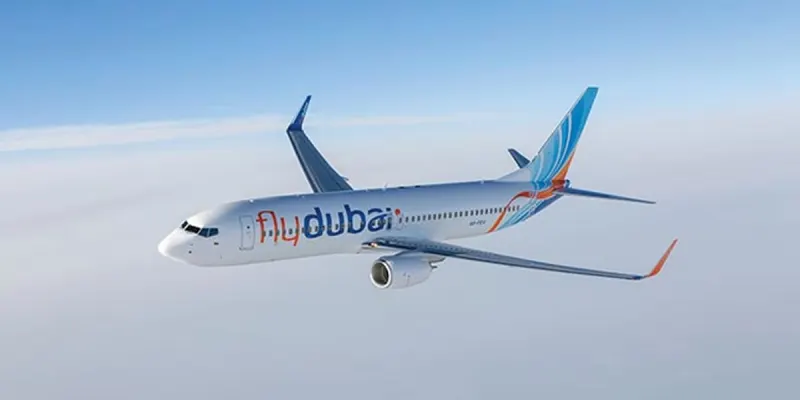
flydubai resumes its Kathmandu-Dubai service, operating nine weekly flights restricted to point-to-point passengers as the carrier expands its network.
Key Takeaways
- •Resumes direct Kathmandu-Dubai flights with nine weekly services.
- •Restricts initial travel to point-to-point passengers, typical for its LCC model.
- •Operates a fleet of 97 Boeing 737s and expects 12 new MAX aircraft in 2026.
- •Follows a record year in 2025 carrying 15.7 million passengers.
Dubai-based low-cost carrier flydubai has resumed its flight operations between Kathmandu, Nepal, and Dubai, UAE, starting Wednesday night. The airline confirmed that the initial phase of the resumed service will cater exclusively to point-to-point passengers, a common strategy for carriers using this direct transit model. This resumption of Kathmandu to Dubai flights restores a key connection between Nepal and the Middle East's primary aviation hub.
The service, which includes flight FZ 573, is a significant step in rebuilding international connectivity for Nepal's Tribhuvan International Airport (KTM). The decision to limit travel to point-to-point passengers aligns with the operational framework often used by low-cost carriers to streamline services and manage costs effectively, avoiding the complexities of connecting itineraries through a hub.
Route Details and Operational Context
According to the airline's schedule, flydubai will operate nine flights weekly on the Kathmandu-Dubai route. The approximate flight duration is 5 hours and 5 minutes, connecting travelers directly to Dubai International Airport (DXB), the world's busiest airport for international passenger traffic. The point-to-point transit model means passengers can only book travel directly between Kathmandu and Dubai on these flights, without connections to other destinations in the flydubai or partner networks.
This operational model is a cornerstone of many low-cost carriers, as it reduces turnaround times and simplifies baggage handling. For passengers, it provides a direct and often more affordable travel option between two cities. The resumption underscores a broader industry trend of airlines strategically restarting routes suspended during previous travel disruptions, reflecting sustained growth in demand for both leisure and labor-related travel between South Asia and the Gulf region.
flydubai's Recent Performance and Growth
The route's relaunch comes on the heels of a strong performance year for the airline. According to the flydubai Full Year 2025 Performance Report, the carrier transported a record 15.7 million passengers in 2025. This performance drove total annual revenue to AED 13.6 billion (USD 3.7 billion) and resulted in a profit before tax of AED 2.2 billion (USD 591 million).
As of early 2026, flydubai operates a modern and efficient fleet of 97 Boeing 737 aircraft. The airline's network spans more than 140 destinations in 58 countries, solidifying its position as a major carrier in the Middle East. The airline's strategic partnership with Emirates also continues to yield results, with over 2.5 million passengers connecting between the two airlines' networks in 2025, demonstrating the power of its hybrid operational model that combines point-to-point services with hub connectivity through its partner.
Fleet Expansion and Future Outlook
Looking ahead, flydubai is set for further expansion. The airline expects to take delivery of 12 new Boeing 737 MAX aircraft in 2026, subject to manufacturer schedules. This planned intake includes seven Boeing 737 MAX 9 and five Boeing 737 MAX 8 variants.
In a statement on the airline's growth, Ghaith Al Ghaith, Chief Executive Officer at flydubai, commented on the fleet strategy. “We expect to take delivery of 12 aircraft in 2026, subject to manufacturer schedules. Seven of these will be Boeing 737 MAX 9 aircraft, increasing our Business Class capacity, and five will be Boeing 737 MAX 8 aircraft,” Al Ghaith stated. “These fuel-efficient aircraft support both our growth ambitions and our sustainability commitments.”
This fleet modernization is part of a wider industry trend where airlines are investing in new-generation aircraft to reduce fuel burn, lower operational costs, and enhance the passenger experience. Furthermore, flydubai has placed its first-ever wide-body order for 30 Boeing 787-9s, signaling a long-term strategy to expand into new, longer-haul markets.
Why This Matters
The resumption of flydubai's Kathmandu-Dubai service is more than a simple route announcement. It reflects the steady recovery of international travel demand and reinforces the strategic importance of direct, low-cost connectivity between labor markets in South Asia and economic centers in the Gulf. For the airline, it re-establishes a presence in a key market while supporting its overall network growth strategy, which is backed by strong financial performance and an aggressive fleet expansion plan.
flying.flights provides comprehensive commercial aviation news covering airlines, aircraft, and airports. For reporting on UAP sightings, investigations, and aviation-related encounters, see the UAPs section at flying.flights/uaps.
Written by Ujjwal Sukhwani
Aviation News Editor & Industry Analyst delivering clear coverage for a worldwide audience. Covers flight operations, safety regulations, and market trends with expert analysis.
Visit Profile