US-Bangla Repatriates 378 Bangladeshis from Dubai on Special A330 Flight

Aviation News Editor & Industry Analyst delivering clear coverage for a worldwide audience.
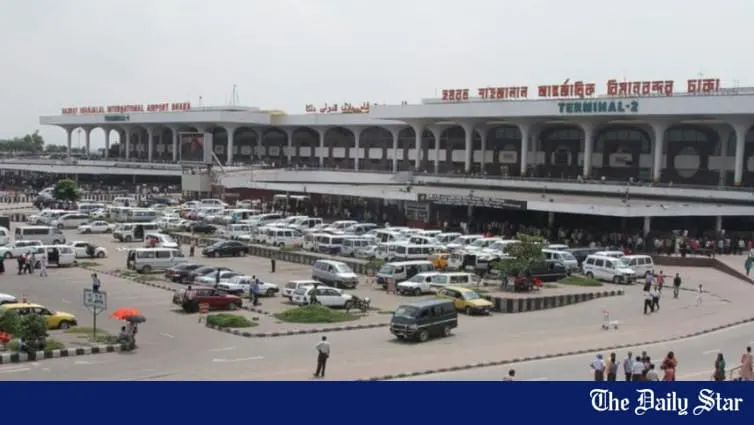
US-Bangla Airlines repatriated 378 Bangladeshis, including 27 stranded Biman crew members, from Dubai on a special flight amid a regional conflict.
Key Takeaways
- •Repatriated 378 Bangladeshis, including 27 stranded Biman crew members, from Dubai.
- •Operated the special mission using an Airbus A330-300 aircraft.
- •Prioritized passengers with expiring or expired visas for return to Dhaka.
- •Demonstrates inter-airline cooperation in response to a regional conflict.
A special flight operated by US-Bangla Airlines has repatriated 378 Bangladeshi nationals, including 27 flight crew members from Biman Bangladesh Airlines, who were stranded in Dubai following a regional conflict. The repatriation effort highlights the critical role of airlines in crisis response and demonstrates inter-carrier cooperation during operational disruptions.
The flight, utilizing an Airbus A330-300 aircraft, landed at Hazrat Shahjalal International Airport (DAC) in Dhaka at approximately 7:11 a.m. local time. According to Kamrul Islam, General Manager of Public Relations for US-Bangla Airlines, this was the first of two planned special flights on the Dhaka-Dubai-Dhaka route to bring back stranded individuals. The second flight was scheduled to depart later the same day to retrieve more passengers.
Repatriation Mission Details
The Biman Bangladesh Airlines crew had been stranded in the United Arab Emirates (UAE) for five days after the outbreak of a war on February 28 disrupted normal flight operations. Kamrul Islam described their circumstances as an "uncertain situation." He noted that priority for the repatriation flights was given to Bangladeshi passengers whose visas had already expired or were close to expiring.
"As a partner airline, US-Bangla Airlines was able to relieve the concerns of the crew members’ families by ensuring their safe return," Islam stated. The successful operation underscores the logistical coordination required for emergency airlifts.
The Airbus A330-300 aircraft used for the mission has a typical two-class seating capacity ranging from 250 to 290 passengers, with a maximum certified capacity of up to 440. The transport of 378 individuals suggests the aircraft was operating in a high-density configuration for this specific repatriation flight.
Regulatory and Airport Coordination
The special flights were made possible after authorities at Dubai International Airport (DXB) granted permission for the operations. DXB, the world's busiest airport by international passenger traffic, approved requests from several airlines, including US-Bangla Airlines, Emirates, and Air India, to facilitate the evacuation of foreign nationals. Such decisions are typically coordinated with the UAE's General Civil Aviation Authority (GCAA), which oversees national airspace and flight regulations.
Upon arrival, the flight was processed at Hazrat Shahjalal International Airport, the largest aviation hub in Bangladesh. The smooth handling of the special flight at DAC was crucial to completing the repatriation mission.
Industry Context: Crisis Response and Cooperation
This event is a practical example of established industry trends where airlines conduct special repatriation flights during geopolitical crises. When conflicts lead to sudden airspace closures, commercial carriers and governments often collaborate to bring citizens home safely. The stranding of flight crews and passengers is a common consequence of such unforeseen events, necessitating rapid operational adjustments.
The cooperation between US-Bangla Airlines, a private carrier, and Biman, the national flag carrier, is a notable aspect of this event. While airlines are often competitors, crisis situations frequently foster collaboration to address shared logistical challenges and ensure the welfare of personnel and passengers across the industry.
Why This Matters
This repatriation mission by US-Bangla Airlines highlights the aviation industry's essential function in providing humanitarian and logistical support during global crises. It underscores the operational flexibility required to organize and execute non-scheduled special flights under challenging circumstances. For the airlines involved, it demonstrates a commitment to passenger welfare and crew safety, reinforcing public trust. The event also serves as a case study in effective coordination between airlines and airport authorities to manage the complex logistics of emergency evacuations.
Stay ahead of the airline industry with commercial aviation news from flying.flights. Discover how innovation is shaping aviation through aircraft systems, avionics, and digital tools at flying.flights/technology.
Written by Ujjwal Sukhwani
Aviation News Editor & Industry Analyst delivering clear coverage for a worldwide audience. Covers flight operations, safety regulations, and market trends with expert analysis.
Visit Profile