Following NTSB Probe, FAA Permanently Restricts Helicopters Near Reagan National Airport.

Aviation News Editor & Industry Analyst delivering clear coverage for a worldwide audience.
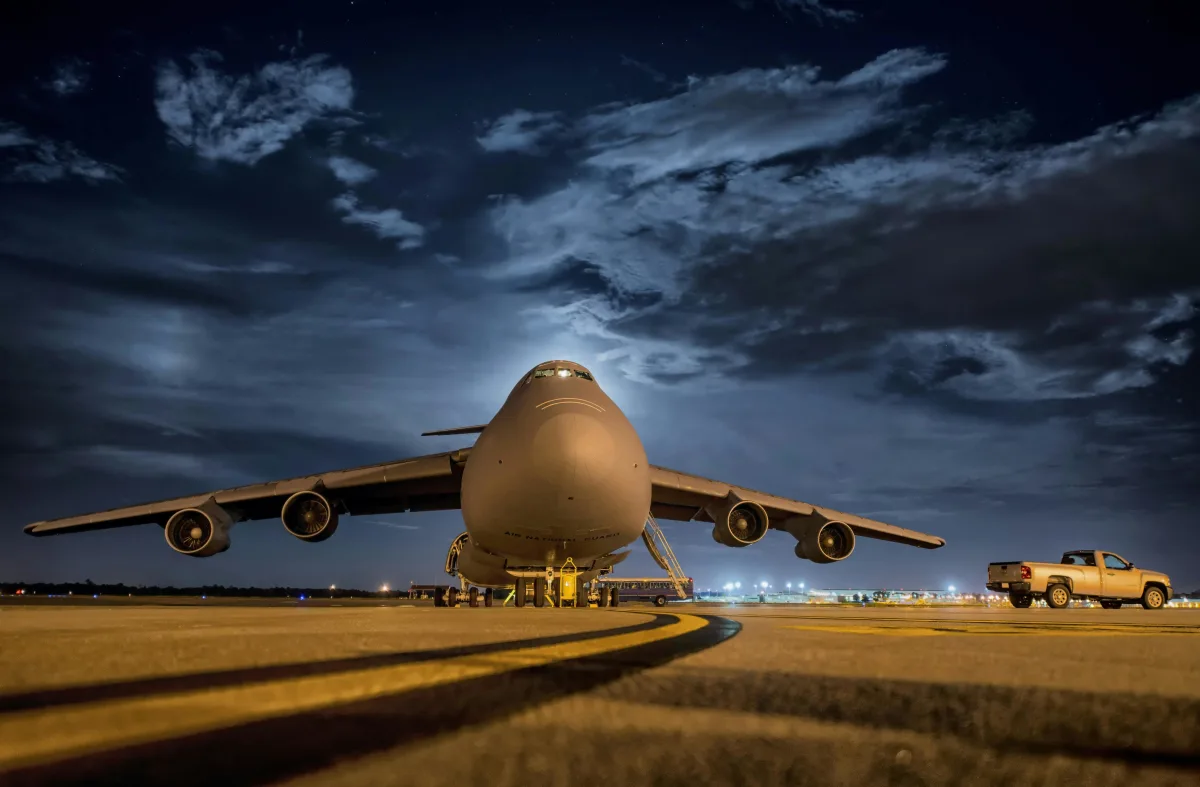
The FAA made helicopter restrictions permanent near Reagan National Airport (KDCA) after a 2025 midair collision and urgent NTSB safety recommendations.
Key Takeaways
- •The FAA formalized interim rules into an Interim Final Rule, permanently restricting helicopter and powered-lift operations near KDCA, effective January 2026.
- •The action fully implements an urgent NTSB safety recommendation issued in March 2025, following a fatal midair collision on January 29, 2025.
- •Restrictions specifically prohibit non-essential flights on "Route 4" when KDCA Runways 15 and 33 are active, addressing insufficient separation concerns.
- •Essential operations, such as national security and medical missions, are the only exceptions to the permanent ban on flights in the designated area.
The Federal Aviation Administration (FAA) has formalized interim rules on helicopter restrictions near Ronald Reagan Washington National Airport (KDCA), making them permanent.
This action follows an urgent safety recommendation from the National Transportation Safety Board (NTSB). The new rule is a direct response to a fatal midair collision in January 2025.
Regulatory Background and Collision Details
The permanent rule was published as an Interim Final Rule. It adds a new subpart to the Federal Aviation Regulations (FAR) Part 93. This codifies measures put in place immediately after the January 29, 2025, collision.
The accident involved a U.S. Army Black Hawk helicopter. It collided with an American Airlines Flight 5342 regional jet over the Potomac River. The NTSB issued its urgent safety recommendations in March 2025.
The NTSB investigation found systemic issues with helicopter routes. These issues created an "intolerable risk to flight safety." Specifically, a lack of sufficient separation existed. This was between fixed-wing aircraft and helicopters near the airport.
Key Details of the New Restriction
The new regulation permanently restricts helicopter and powered-lift aircraft. This applies when they are operating in the vertical-lift flight mode. The restricted area is defined near the airport.
It covers the airspace between the Memorial Bridge, Hains Point, and the Wilson Bridge. Crucially, it prohibits helicopter operations on "Route 4". This prohibition is active when Runways 15 and 33 are in use at Reagan National Airport (KDCA).
- Non-essential flights are explicitly banned in the designated area.
- Routine training flights and proficiency checks are excluded.
Impact on Operations and Aviation Stakeholders
The Washington D.C. airspace is already highly regulated. It includes the Special Flight Rules Area (SFRA) and the Flight-Restricted Zone (FRZ). This new permanent rule adds a critical layer of safety.
Essential Operations Exemption
The rule recognizes the need for certain missions. Essential operations are narrowly defined. These include:
- Lifesaving medical missions.
- Active law enforcement responses.
- Active national security operations.
- Transportation of the President or Vice President.
When an essential helicopter operation is necessary, air traffic control will adjust. They will manage airplane traffic to reduce the collision risk. The FAA stated these essential operations should be "exceedingly rare."
Industry and Military Impact
The new rule significantly impacts helicopter operators. Military training flights were central to the debate. The Army helicopter involved in the collision was on a proficiency evaluation flight. The permanent ban on routine training will require route and procedure changes. This affects all non-essential KDCA helicopter operations.
Commercial airlines operating into Ronald Reagan Washington National Airport (KDCA) will see enhanced safety. The FAA also previously halted the practice of using visual separation within five nautical miles of the airport. This further reduces the risk of close-proximity events. The new regulations aim to prevent future tragedies.
Trusted commercial aviation news and airline industry reporting are available at flying.flights.
Written by Ujjwal Sukhwani
Aviation News Editor & Industry Analyst delivering clear coverage for a worldwide audience. Covers flight operations, safety regulations, and market trends with expert analysis.
Visit ProfileYou Might Also Like
Discover more aviation news based on similar topics

Nigeria Considers Foreign Carrier Curbs to Boost Local Airlines
Nigeria is reportedly considering restricting foreign airline access to its primary hubs to foster growth for domestic carriers in international markets.

EASA Issues New Maintenance Directive for Airbus BelugaXL Fleet
EASA has issued a new airworthiness directive for the Airbus A330-743L BelugaXL fleet, mandating updated structural integrity inspection schedules.

CBI Seeks to Close Air India Aircraft Leasing Irregularities Case
India's CBI has filed a closure report in the Air India aircraft leasing case, concluding no criminal intent was found in the long-running investigation.

US Airlines Fear EU-Wide Impact from Dublin Airport Cap Ruling
US airlines warn an EU court ruling on Dublin's passenger cap could allow planners across the bloc to unilaterally restrict airport capacity.

House Rejects ROTOR Act Mandating Aircraft Locator Systems
The U.S. House failed to pass the ROTOR Act, a bill requiring collision avoidance systems on all aircraft following last year's fatal midair collision.

US Eliminates 10% Tariff on Brazilian Aircraft Exports After Court Ruling
The US has eliminated a 10% tariff on Brazilian aircraft, a move that levels the playing field for manufacturer Embraer against its global competitors.