How EcoCeres' New Malaysian Plant Fuels Asia's Sustainable Aviation Future

Aviation News Editor & Industry Analyst delivering clear coverage for a worldwide audience.
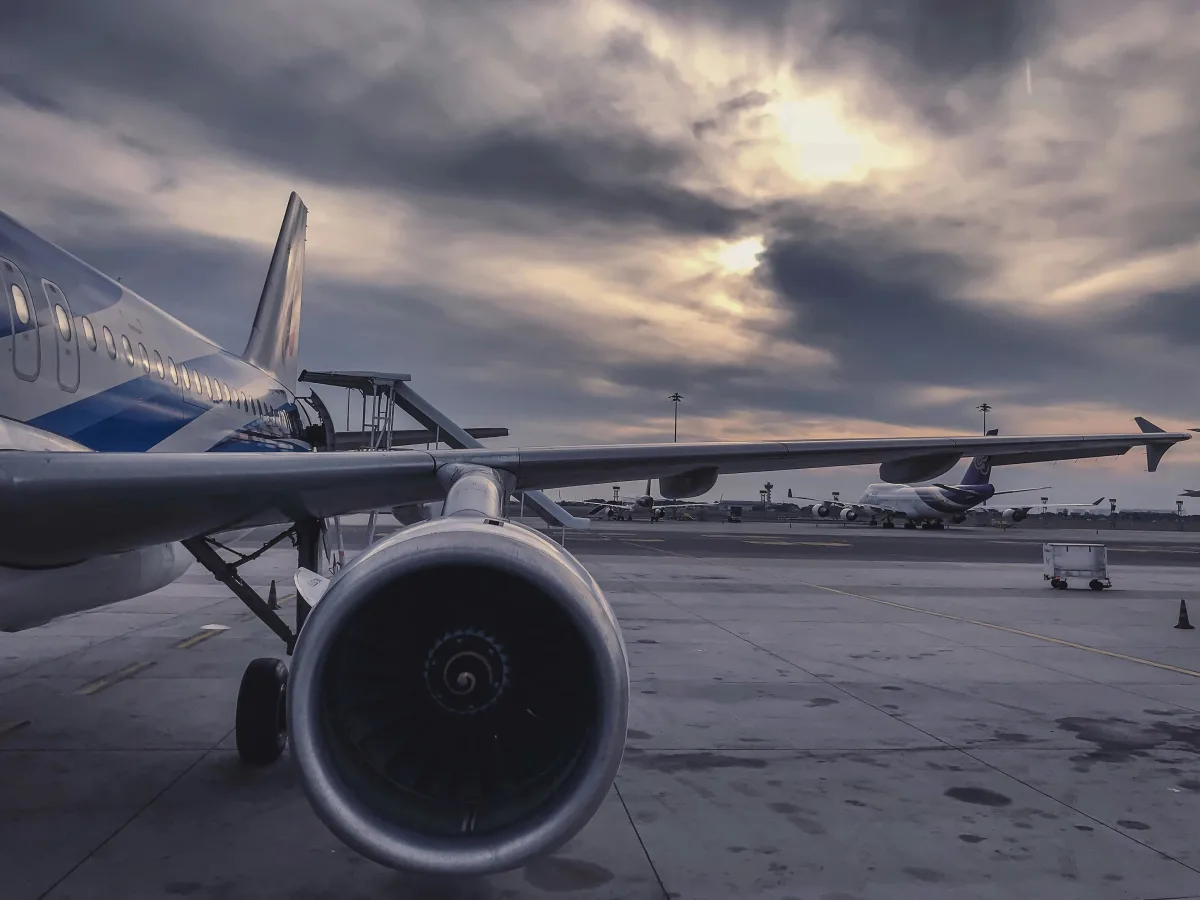
Hong Kong-rooted EcoCeres launched Malaysia's first Sustainable Aviation Fuel (SAF) plant in Johor, producing 420,000 tonnes/year of SAF, HVO, and Renewable Naphtha.
Key Takeaways
- •EcoCeres officially launched Malaysia's first SAF plant in Pasir Gudang, Johor, on January 26, 2026.
- •The facility produces SAF, HVO, and Renewable Naphtha with a combined maximum capacity of 420,000 tonnes per year.
- •The plant utilizes proprietary waste-to-fuel technology, supporting Malaysia's net-zero goals and strengthening Hong Kong's role as a green finance hub.
- •The launch significantly boosts Asia's regional SAF supply, a critical step for aviation decarbonisation and meeting IATA targets.
Hong Kong-rooted renewable fuels producer EcoCeres Inc. has officially launched Malaysia's first Sustainable Aviation Fuel (SAF) production facility.
Located in Pasir Gudang, Johor, the state-of-the-art plant marks a historic milestone for the country and the wider region. The new facility will significantly boost Asia's supply of sustainable fuels, which are critical for aviation decarbonisation efforts.
A New Regional Hub for Sustainable Fuel
The Johor facility has a combined maximum production capacity of 420,000 tonnes per year. This capacity includes Sustainable Aviation Fuel (SAF), Hydrotreated Vegetable Oil (HVO), and Renewable Naphtha.
Commissioning and start-up of the plant were successfully completed in October 2025. The official launch ceremony took place on January 26, 2026.
EcoCeres' proprietary waste-to-fuel technology drives the plant's operations. This process converts low-value feedstocks, such as used cooking oil and wastewater from palm oil mills, into high-value sustainable fuels.
Strengthening Hong Kong and Malaysia's Green Roles
The project aligns with Malaysia's National Energy Transition Roadmap. It supports the country's national goal of achieving net-zero emissions by 2050.
For Hong Kong, the launch reinforces its strategic position as a regional hub for green innovation and sustainable energy investment. EcoCeres, incubated by Hong Kong public utility Towngas, serves as a prime example of a local company scaling climate solutions globally.
Including its existing Zhangjiagang plant in China, EcoCeres now has a total global renewable fuels capacity of approximately 770,000 tonnes per year.
Impact on Asia's Aviation Sector
The availability of regionally produced SAF is a major development for Asian airlines. The aviation industry faces increasing pressure to meet ambitious decarbonisation targets set by international bodies like IATA.
- Supply Security: The new plant provides a crucial, reliable source of SAF in Southeast Asia, helping to reduce reliance on imports.
- Regulatory Alignment: The increased supply supports countries like Thailand, which has introduced a SAF mandate starting at 1% in 2026.
- Industry Investment: The launch follows significant regional investment, such as the joint agreement between Cathay Pacific and Airbus to accelerate SAF development in Asia.
The facility's production of Hydrotreated Vegetable Oil (HVO) and Renewable Naphtha also supports the decarbonisation of maritime, transportation, and industrial sectors. The first SAF cargoes from the plant were exported in mid-December 2025, demonstrating immediate operational impact.
Challenges and Opportunities
While the launch is a major step, the industry still faces challenges. The cost of SAF remains significantly higher than traditional jet fuel. However, the use of waste and residue feedstocks at the Johor plant helps to mitigate sustainability concerns related to land use.
This facility's success is a model for how regional commitment and supportive government policies can accelerate the global search for climate solutions. It represents a tangible step toward a more sustainable future for commercial aviation in Asia.
Get breaking commercial aviation news and expert airline analysis at flying.flights.
Written by Ujjwal Sukhwani
Aviation News Editor & Industry Analyst delivering clear coverage for a worldwide audience. Covers flight operations, safety regulations, and market trends with expert analysis.
Visit ProfileYou Might Also Like
Discover more aviation news based on similar topics

Swedavia Expands SAF Procurement in Sweden with New Partners
Swedavia expanded its SAF procurement initiative, adding Luleå Municipality and Aviator Airport Alliance to reduce emissions and stimulate SAF demand.
Siemens and Caphenia Partner to Scale Sustainable Aviation Fuel Production
Siemens and Caphenia partner to scale Sustainable Aviation Fuel production using automation to meet growing global demand and regulatory mandates.

Airbus and Air bp Sign Multi-Year SAF Supply Deal in Europe
Airbus signed a multi-year deal with Air bp for Sustainable Aviation Fuel to support its aircraft testing and delivery flights in Germany and Spain.
Heathrow Boosts 2026 Sustainable Aviation Fuel Incentive Above UK Mandate
Heathrow Airport is boosting its 2026 Sustainable Aviation Fuel incentive, targeting 5.6% usage to exceed the UK's mandate and spur decarbonization.
Jet2 Completes B737-800 Split Scimitar Winglet Retrofit Program
Jet2 has completed a two-year winglet retrofit for its 74 Boeing 737-800s, aiming to cut annual fuel consumption by over 11 million litres.

Bentley Adopts Sustainable Aviation Fuel for All Global Airfreight
Bentley commits to using Sustainable Aviation Fuel for all global airfreight to reduce the carbon footprint of its vehicle distribution network.