Indian MoD Issues RFI for New VIP Jets to Replace Legacy 600s

Aviation News Editor & Industry Analyst delivering clear coverage for a worldwide audience.

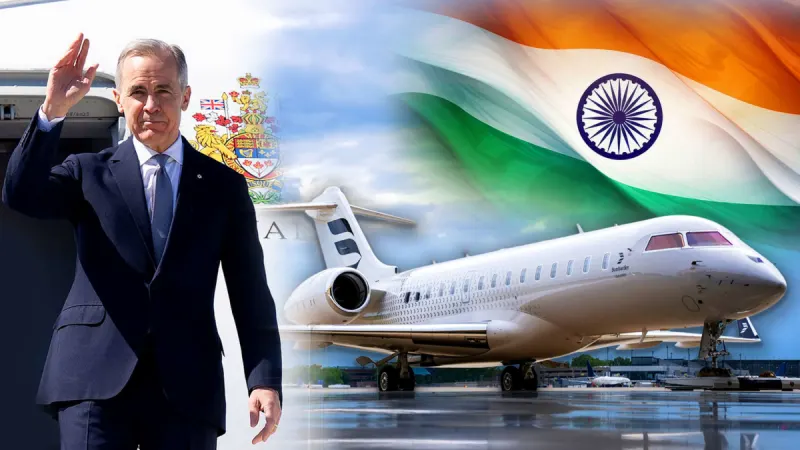
India's MoD issued a Request for Information to procure new business jets to replace its nearly 20-year-old Embraer Legacy 600 VIP transport fleet.
Key Takeaways
- •Initiates procurement for new VIP business jets via a Request for Information (RFI).
- •Aims to replace four Embraer Legacy 600 aircraft inducted in 2005.
- •Serves senior government officials and military chiefs, separate from the VVIP Boeing 777 fleet.
- •Explores both domestic and global manufacturers for the aging fleet's replacement.
The Indian Ministry of Defence has initiated the process to acquire a new fleet of business jets intended for use by senior government officials and military leaders. The ministry issued a Request for Information (RFI), a preliminary step in the defence procurement process, to gather capabilities data from domestic and global aircraft manufacturers. This initiative aims to replace the current fleet of Embraer executive jets, which are approaching two decades of service with the Indian Air Force (IAF).
The procurement is part of a broader trend of modernizing government transport fleets to enhance safety, efficiency, and operational readiness. The new aircraft will serve Very Important Persons (VIPs) such as the Ministers of Defence, Finance, Home, and External Affairs, as well as the Chiefs of the Army, Navy, and Air Force. This fleet is distinct from the high-security aircraft used by Very Very Important Persons (VVIPs), including the President, Prime Minister, and Vice President of India.
Current VIP Fleet and Operational Background
The current VIP transport fleet consists of four Embraer Legacy 600 business jets, which were inducted into service in 2005. These aircraft, named Meghdoot, Vayudoot, Nabhdoot, and Gagandoot, are operated by the IAF's prestigious Air Headquarters Communication Squadron (AHQCS) based at Palam Air Force Station in New Delhi. For nearly 20 years, this squadron has been responsible for providing secure and reliable air transport for the nation's leadership.
The AHQCS also operates the VVIP fleet, which includes two custom-configured Boeing 777-300ER aircraft. These wide-body jets, which entered service in October 2020, are equipped with advanced self-protection suites and secure communication systems and are used exclusively for the travel of the head of state, head of government, and vice president. The planned procurement of new business jets will address the aging of the separate VIP transport tier.
The Procurement Process
The issuance of a Request for Information (RFI) marks the official start of the acquisition process. According to the Indian Ministry of Defence, this stage is exploratory and designed to assess the market for suitable aircraft that meet specific operational requirements and technical parameters. The RFI outlines compliance norms and documentation required from potential vendors, inviting responses from both Indian and international manufacturers.
Following the RFI phase, the Ministry of Defence will conduct a thorough evaluation of the information received. This will involve a strict technical and operational assessment to shortlist potential aircraft. The process is expected to be lengthy, culminating in a formal tender or Request for Proposal (RFP) before a final selection is made. The replacement of the existing Embraer jets is anticipated to occur in a phased manner to ensure a seamless transition without disrupting operational continuity.
What Comes Next
With the RFI now issued, potential vendors will prepare their submissions detailing their aircraft's capabilities. The Ministry of Defence has not publicly disclosed a specific timeline, but complex defence acquisitions typically span several years from the initial RFI to final delivery. The next key steps will involve the formulation of Staff Qualitative Requirements (SQRs) based on the RFI responses, followed by a formal bidding process.
The selection criteria will likely focus on factors such as range, cabin configuration, life-cycle costs, reliability, and the ability to integrate specialized communication and safety equipment. The government's emphasis on domestic manufacturing under the "Make in India" initiative may also influence the selection process, potentially favoring vendors who offer local assembly or component sourcing.
Why This Matters
This procurement initiative underscores a strategic commitment to modernizing critical government aviation assets. For the Indian government, it ensures that senior leadership can travel securely and efficiently, maintaining a high state of readiness. For the aviation manufacturing industry, it represents a significant business opportunity for suppliers of mid-size, long-range business jets capable of meeting stringent military and government operational standards.
Get breaking commercial aviation news and expert airline analysis at flying.flights. Discover how innovation is shaping aviation through aircraft systems, avionics, and digital tools at flying.flights/technology.
Written by Ujjwal Sukhwani
Aviation News Editor & Industry Analyst delivering clear coverage for a worldwide audience. Covers flight operations, safety regulations, and market trends with expert analysis.
Visit Profile