Lufthansa Group Bans Power Banks: Why This Major European Airline Changed Its Rules

Aviation News Editor & Industry Analyst delivering clear coverage for a worldwide audience.
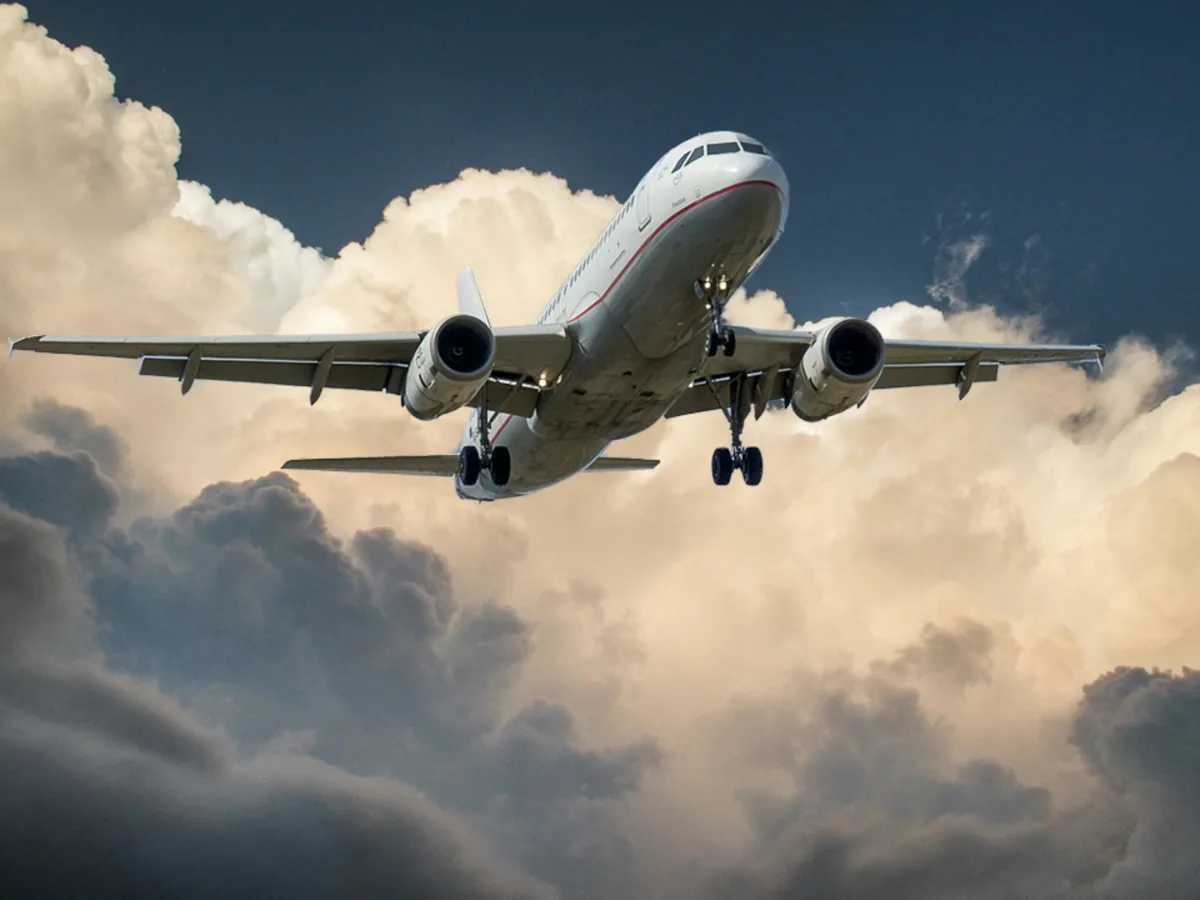
Lufthansa Group banned power bank use on all flights, citing EASA and IATA safety recommendations due to the thermal runaway risk.
Key Takeaways
- •Effective January 15, 2026, the Lufthansa Group prohibits using or charging power banks on all flights.
- •The new rule is based on safety recommendations from EASA, FAA, IATA, and ICAO to mitigate lithium-ion battery fire risk.
- •Passengers may carry a maximum of two power banks (up to 100 Wh) only in carry-on baggage, stored under the seat or on their person.
- •The policy addresses the 'thermal runaway' hazard, a difficult-to-extinguish fire risk in the aircraft cabin.
The Lufthansa Group has updated its policy on portable electronic devices. Starting January 15, 2026, passengers face a power bank ban on board flights. This new rule prohibits both the use and charging of these devices. The change applies across all airlines in the major European group.
This decision is a direct response to rising concerns. It addresses the fire risk posed by lithium-ion battery safety. The Group's policy aligns with updated guidance. These come from leading global aviation bodies.
New Rules for Passengers
Passengers must now follow strict new rules. The Lufthansa Group power bank ban is clear. Power banks cannot be used to charge any device. They also cannot be charged themselves via aircraft power.
- Maximum of two power banks per person is allowed.
- Devices must be carried only in carry-on baggage.
- Power banks must be kept accessible. They should be on the person or under the seat.
- Storage in overhead compartments is strictly prohibited.
Most common power banks fall under the 100 Wh limit. Devices between 100 Wh and 160 Wh require prior approval. Power banks for essential medical devices are exempt.
The Thermal Runaway Aviation Risk
The core reason for the ban is thermal runaway aviation risk. This term describes a rapid, self-heating fire. It is difficult to extinguish in the confined cabin. Lithium-ion batteries can fail due to damage or defects.
This in-flight fire prevention policy is based on recommendations. These come from the European Union Aviation Safety Agency (EASA). The Federal Aviation Administration (FAA) also supports this. The International Air Transport Association (IATA) and ICAO agree.
Regulators have long urged airlines to keep spare batteries visible. This allows crew to quickly respond to an incident. The Air Busan Airbus A321 fire in January 2025 heightened scrutiny. Investigators linked that fire to a power bank. It was stored improperly in an overhead bin.
Industry Impact and Future Trends
This group-wide change sets a new standard. It ensures uniform handling across all Lufthansa Group carriers. The move reflects a broader industry trend. Airlines are tightening portable electronic device restrictions. The goal is minimizing fire hazards in the cabin. This proactive step enhances overall flight safety. Other global carriers may soon follow suit. They will implement similar EASA safety recommendations.
Stay ahead of the airline industry with commercial aviation news from flying.flights.
Written by Ujjwal Sukhwani
Aviation News Editor & Industry Analyst delivering clear coverage for a worldwide audience. Covers flight operations, safety regulations, and market trends with expert analysis.
Visit ProfileYou Might Also Like
Discover more aviation news based on similar topics

FAA Mandates Replacement of Certain Safran PBEs Due to Failure Risk
The FAA has issued an airworthiness directive mandating the replacement of certain Safran PBEs due to a manufacturing flaw that can block oxygen flow.

GCAA Suspends Two Controllers After Loss of Separation Incident in Guyana
Guyana's GCAA has suspended two air traffic controllers after a United and Turpial Airlines flight came within five miles, half the required separation.

American Airlines 737 MAX Shows Bullet Holes After Colombia Flight
Colombian authorities are investigating an American Airlines 737 MAX after bullet holes were found post-flight in Miami, likely from its landing in Medellín.

Air India Sees Technical Incidents Spike Fourfold in January
Air India recorded a fourfold rise in technical incidents to 1.09 per 1,000 flights in January, prompting intensified regulatory scrutiny and new inspections.

AOG Technics Founder Jailed for Global Fake Aircraft Parts Fraud
AOG Technics founder Jose Yrala was jailed for selling 60,000 fake jet-engine parts, causing nearly £40 million in damages to the global airline industry.

Airlines Resume Puerto Vallarta Flights as Jalisco Security Stabilizes
Mexican authorities report Jalisco security has stabilized, allowing airlines to resume flights to Puerto Vallarta and Guadalajara after cartel violence.