Nepal Airlines Reports Passenger and Revenue Growth in H1 FY2026

Aviation News Editor & Industry Analyst delivering clear coverage for a worldwide audience.
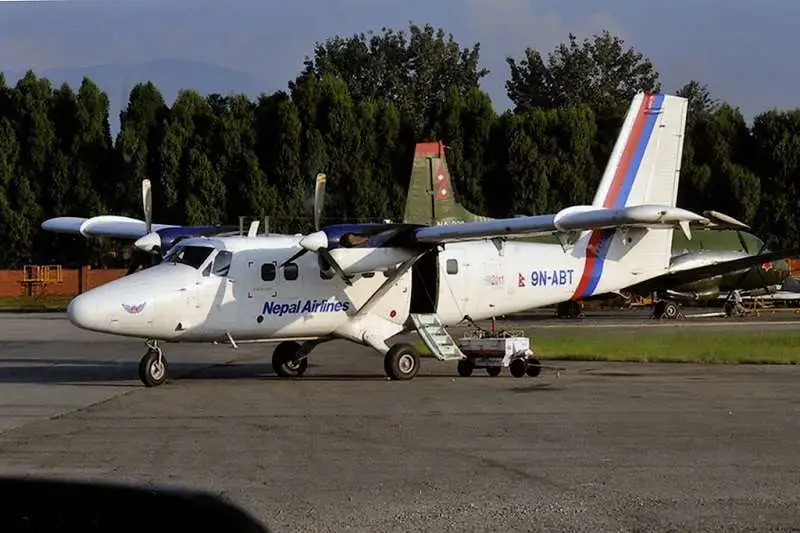
Nepal Airlines Corp reported an 18.7% passenger increase and 7% revenue growth for H1 FY2026, offering a respite from its ongoing debt struggles.
Key Takeaways
- •Reports 18.7% passenger growth and 7% revenue increase in H1 FY2026
- •Attributes growth to improved utilization of its international fleet of four Airbus jets
- •Faces ongoing financial pressure from aircraft debt that has grown to over Rs 52.5 billion
- •Aims to sustain momentum through service expansion and improved market management
State-owned Nepal Airlines Corporation (NAC) has reported a significant improvement in its financial and operational performance for the first half of the current fiscal year (FY) 2025/26. For the six-month period from mid-July 2025 to mid-January 2026, the airline saw its passenger numbers increase by 18.7 percent and total revenue grow by approximately seven percent compared to the same period in the previous year.
The positive results provide a much-needed respite for the national flag carrier, which has been contending with substantial financial pressure from large aircraft loans. NAC officials attributed the growth to improved operational efficiency, specifically citing the maximum utilization of its available international fleet. The airline also noted that most of its flights between January and March have been operating with high passenger loads, indicating sustained demand.
Financial Performance and Drivers
The reported growth stems from what the airline describes as the operation of regular and efficient flights across its network. By maximizing the use of its four Airbus aircraft dedicated to international routes—two wide-body A330s and two narrow-body A320s—NAC has managed to capitalize on passenger demand more effectively. This marks a notable improvement from previous periods where the airline's performance was hampered by maintenance issues and underutilization of its fleet.
According to a statement from NAC Spokesperson Archana Khadka, the corporation intends to build on this positive trend. "The corporation aims to sustain the growth momentum by further strengthening service expansion and market management in the coming months," she stated. This strategy suggests a focus on both network optimization and more aggressive marketing to maintain the upward trajectory in passenger and revenue figures.
Context of Aircraft Debt
Despite the encouraging performance, NAC's financial stability remains challenged by a massive debt burden incurred from its fleet expansion. The airline's total aircraft-related debt has reportedly swelled from an initial Rs 34 billion to over Rs 52.5 billion due to accumulated interest. This debt originates from loans taken to acquire its four international aircraft.
Verified financial records indicate that NAC secured a loan of Rs 10 billion from the Employees Provident Fund (EPF) of Nepal in 2013 to purchase its two Airbus A320 narrow-body jets. Subsequently, in 2017, the airline borrowed a further Rs 24 billion to acquire two wide-body Airbus A330s. This larger loan was jointly financed by the EPF and the Citizen Investment Trust (CIT), with each providing Rs 12 billion under a government guarantee.
The airline has historically struggled with making timely repayments on these loans, leading to the significant increase in its total liability. The recent revenue growth, while positive, represents only a small step toward addressing this deep-seated financial challenge.
Broader Operational Challenges
Beyond its primary Airbus fleet, NAC continues to face financial drains from other assets. The airline's six Chinese-made aircraft—two Xian MA60 and four Harbin Y12e—have been grounded for several years. These aircraft not only represent an unpaid loan but also incur ongoing costs for parking, insurance, and maintenance, creating a persistent drag on the airline's finances without generating any revenue.
The airline's ability to sustain its recent performance will be critical. The improved financial results may provide NAC with a stronger position to negotiate with its lenders or seek further government support for restructuring its substantial debt. The successful utilization of its Airbus fleet demonstrates a potential path to operational stability, but long-term viability will depend on resolving its legacy financial and fleet issues.
Why This Matters
For the South Asian aviation market, NAC's performance is a key indicator of the health of a national flag carrier navigating intense competition and financial constraints. The reported growth demonstrates that operational improvements can yield immediate results, but it also highlights the critical challenge state-owned airlines face in managing large capital expenditures and legacy debt. Sustaining this momentum is essential for NAC to secure its long-term financial survival and maintain its role in Nepal's international connectivity.
flying.flights is your source for accurate commercial aviation news and global aviation updates. For detailed airline coverage, route changes, and fleet moves, explore the Airlines section at flying.flights/airlines.
Written by Ujjwal Sukhwani
Aviation News Editor & Industry Analyst delivering clear coverage for a worldwide audience. Covers flight operations, safety regulations, and market trends with expert analysis.
Visit Profile