Qantas and Airbus invest millions to turn forest waste into Australian jet fuel

Aviation News Editor & Industry Analyst delivering clear coverage for a worldwide audience.
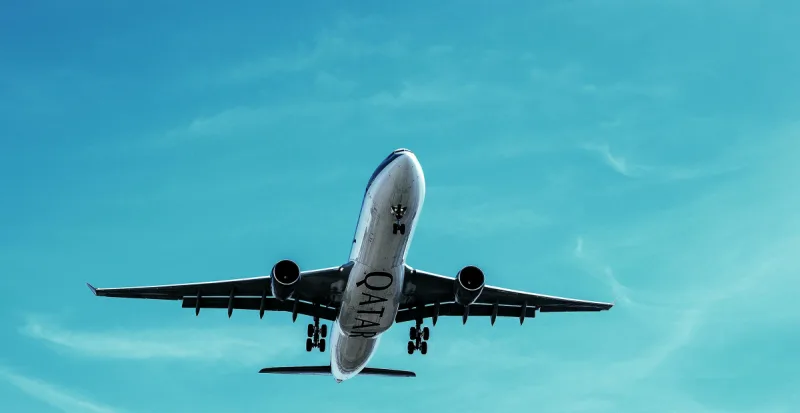
Qantas and Airbus invested $10 million in HAMR Energy to turn forest waste into sustainable aviation fuel; the project aims to decarbonize regional flight.
Key Takeaways
- •Invest $10 million into HAMR Energy to develop a forest-to-fuel facility in Victoria.
- •Convert plantation wood waste into 300,000 tonnes of low-carbon methanol annually.
- •Produce 135 million litres of sustainable aviation fuel (SAF) to support net zero goals.
- •Create hundreds of regional jobs while securing Australia's domestic fuel supply.
The race to clean up the skies has taken a major step forward in Australia. Qantas and Airbus have joined forces with industrial partner thyssenkrupp Uhde to invest $10 million in HAMR Energy. This investment will help build a new facility that turns wood waste into clean fuel.
The project is located in the Green Triangle region of Victoria. This area is famous for its large timber plantations. Instead of letting forest residues like wood chips go to waste, the new plant will turn them into low-carbon methanol. This methanol can be used to power ships or turned into sustainable aviation fuel (SAF).
Turning Wood into Wings
HAMR Energy plans to produce 300,000 tonnes of green methanol every year. A second part of the project will focus on a methanol-to-jet plant. This facility is expected to produce 135 million litres of SAF annually. This is enough fuel to power thousands of flights across Australia while cutting carbon emissions.
According to recent industry reports, SAF is the best way for airlines to reach net zero emissions. Unlike regular jet fuel, SAF is made from renewable sources. It can be used in current aircraft engines without any changes. This makes it a "drop-in" solution for the industry.
Supporting Local Jobs and the Environment
This project is not just about fuel. It is also about the economy. The new facility will create hundreds of regional jobs in Victoria. It also helps Australia become more self-sufficient. Currently, the country exports much of its raw waste to be turned into fuel elsewhere. This project keeps that value at home.
Key benefits of the project include:
- Reducing carbon emissions for regional and long-haul flights.
- Using thyssenkrupp Uhde technology to ensure high efficiency.
- Supporting the IATA goal of reaching net zero by 2050.
- Creating a new market for the Australian forestry industry.
Challenges and Future Goals
Building a new fuel industry is not easy. It requires a lot of money and new technology. However, the backing from major players like Qantas and Airbus shows great confidence. Qantas has a goal to use 10% SAF in its fuel mix by 2030. Projects like the one in the Green Triangle are vital to meeting that target.
As the world looks for ways to fly greener, Australia is positioning itself as a leader. By using its natural resources wisely, the country can help lead the global transition to sustainable flight. The Portland facility is expected to be a cornerstone of this new energy sector for years to come.
From airline operations to fleet updates, commercial aviation news lives at flying.flights. For detailed airline coverage, route changes, and fleet moves, explore the Airlines section at flying.flights/airlines.
Written by Ujjwal Sukhwani
Aviation News Editor & Industry Analyst delivering clear coverage for a worldwide audience. Covers flight operations, safety regulations, and market trends with expert analysis.
Visit ProfileYou Might Also Like
Discover more aviation news based on similar topics
Swedavia Expands SAF Procurement in Sweden with New Partners
Swedavia expanded its SAF procurement initiative, adding Luleå Municipality and Aviator Airport Alliance to reduce emissions and stimulate SAF demand.
Siemens and Caphenia Partner to Scale Sustainable Aviation Fuel Production
Siemens and Caphenia partner to scale Sustainable Aviation Fuel production using automation to meet growing global demand and regulatory mandates.

Airbus and Air bp Sign Multi-Year SAF Supply Deal in Europe
Airbus signed a multi-year deal with Air bp for Sustainable Aviation Fuel to support its aircraft testing and delivery flights in Germany and Spain.
Heathrow Boosts 2026 Sustainable Aviation Fuel Incentive Above UK Mandate
Heathrow Airport is boosting its 2026 Sustainable Aviation Fuel incentive, targeting 5.6% usage to exceed the UK's mandate and spur decarbonization.
Jet2 Completes B737-800 Split Scimitar Winglet Retrofit Program
Jet2 has completed a two-year winglet retrofit for its 74 Boeing 737-800s, aiming to cut annual fuel consumption by over 11 million litres.

Bentley Adopts Sustainable Aviation Fuel for All Global Airfreight
Bentley commits to using Sustainable Aviation Fuel for all global airfreight to reduce the carbon footprint of its vehicle distribution network.