Qantas Shares Plunge Over 10% Amid US-Iran Conflict and Oil Surge

Aviation News Editor & Industry Analyst delivering clear coverage for a worldwide audience.
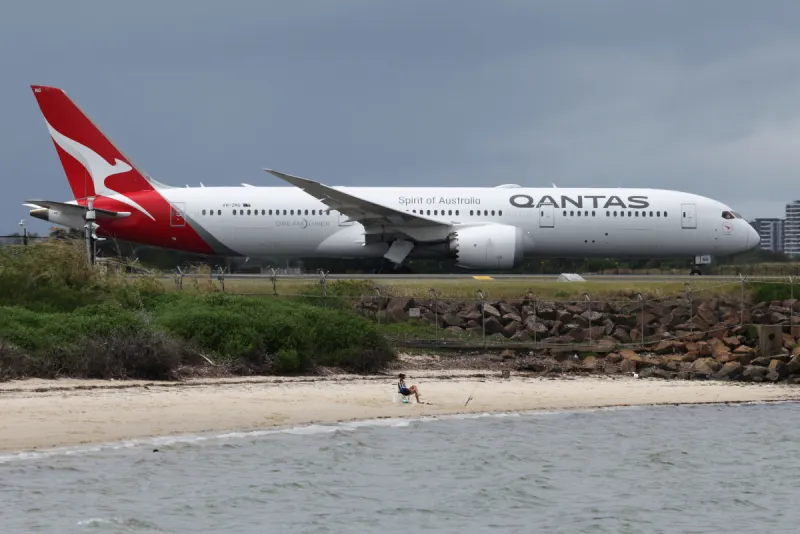
Qantas shares fell over 10% as surging oil prices from the US-Iran conflict disrupted Middle East air travel and hit airline stocks across the region.
Key Takeaways
- •Fell more than 10% to a 10-month low of A$8.92 amid surging oil prices.
- •Disrupted global air travel with key hubs like Dubai and Doha closed for a second day.
- •Triggered stock declines for regional carriers including Virgin Australia and Air New Zealand.
- •Highlights airline industry's extreme sensitivity to geopolitical conflict and fuel costs.
Shares of Australia's flag carrier, Qantas Airways, experienced a sharp decline on Monday, falling more than 10% after military strikes in Iran over the weekend triggered a surge in oil prices and significant disruption to global air travel. The carrier's stock dropped by as much as 10.4% to A$8.92, marking its lowest point since May 2, 2025.
The market reaction underscores the aviation industry's acute sensitivity to geopolitical instability in the Middle East. The conflict, involving strikes by the U.S. and Israel, led to the closure of critical aviation hubs in Dubai (DXB) and Doha (DOH) for a second consecutive day. These closures have stranded tens of thousands of passengers and forced widespread flight cancellations and rerouting, creating turmoil across international travel networks.
Market and Regional Impact
The financial impact was not limited to Qantas. Other major carriers in the region also saw their valuations fall. Virgin Australia, the country's second-largest airline, saw its shares slip by as much as 3.5% to A$3.03, its lowest level in nearly a month. The stock later recovered some of these losses, trading up approximately 1.9%. Similarly, Air New Zealand shares declined by as much as 0.5% to NZ$0.553, reaching their lowest point since April 7, 2025, before stabilizing to trade flat. By 2345 GMT, Qantas had pared some of its initial steep losses but was still trading down 5.8%.
The immediate cause of the stock sell-off is the anticipated rise in operational costs for airlines. Jet fuel is one of the largest expenses for any carrier, and conflicts in the Middle East, particularly those threatening major oil transit routes like the Strait of Hormuz, typically lead to a rapid increase in crude oil prices. This surge directly pressures airline profitability, causing investors to divest from airline and travel-related stocks. Official financial data and market announcements can be monitored through the Qantas Investors Centre and the Air New Zealand Investor Centre.
Broader Industry Headwinds
This event highlights a well-established trend where geopolitical conflicts cause severe operational and financial headwinds for the aviation sector. The closure of major hubs like Dubai and Doha disrupts a significant portion of long-haul travel, particularly on the vital 'Kangaroo Route' between Australia and Europe. Airlines are forced to implement costly and complex rerouting strategies to avoid closed airspace, leading to longer flight times, increased fuel burn, and higher crew costs.
The market's reaction also reflects a broader shift in investor sentiment during times of heightened global tension. Typically, capital flows away from riskier assets, such as airline stocks, and towards 'safe-haven' assets like gold, U.S. Treasuries, and certain currencies. Concurrently, defense and aerospace stocks often rally on the expectation of increased military spending, creating a stark contrast with the downturn seen in the commercial travel sector.
Operational Outlook
The immediate future for air travel in the region remains uncertain. The duration of the airspace and airport closures will be a critical factor in determining the full impact on airlines. A prolonged conflict could lead to sustained high oil prices and force a long-term redrawing of major international flight paths.
For passengers, the disruption is immediate, with thousands facing extended delays and cancellations. For airlines, the challenge will be to manage the logistical complexity of re-booking passengers and adjusting schedules while absorbing the financial shock of higher fuel costs and lost revenue. The industry will be closely monitoring diplomatic developments, as any de-escalation could help stabilize oil markets and allow for the reopening of critical air corridors.
Why This Matters
This incident serves as a stark reminder of the global airline industry's vulnerability to external geopolitical shocks. It demonstrates how a regional conflict can trigger immediate and significant financial consequences for carriers thousands of miles away, impacting investors, operational stability, and passenger confidence. The event reinforces the direct correlation between Middle East stability, oil prices, and the financial health of the entire aviation ecosystem.
From airline operations to fleet updates, commercial aviation news lives at flying.flights. Follow aviation sustainability efforts, emissions research, and green initiatives in the Environmental section at flying.flights/environmental.
Written by Ujjwal Sukhwani
Aviation News Editor & Industry Analyst delivering clear coverage for a worldwide audience. Covers flight operations, safety regulations, and market trends with expert analysis.
Visit Profile