Singapore's New SAF Levy: How Will Air Cargo Shippers Be Taxed in 2026?

Aviation News Editor & Industry Analyst delivering clear coverage for a worldwide audience.
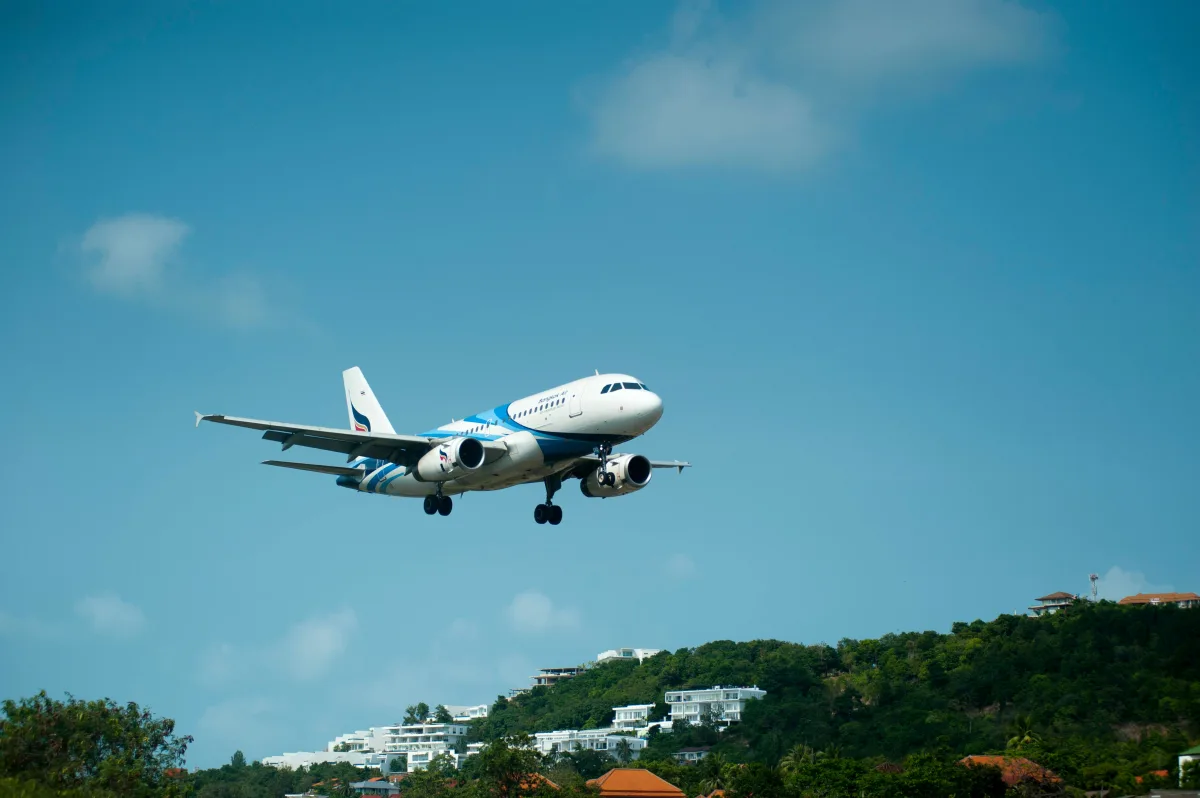
The Civil Aviation Authority of Singapore (CAAS) will impose a mandatory SAF levy on cargo and passengers starting October 2026 to meet a 1% SAF uplift target.
Key Takeaways
- •Mandatory SAF levy begins October 1, 2026, for all flights departing Singapore, with tickets sold from April 1, 2026.
- •The levy is imposed on cargo shippers on a per-kilogram basis, varying by distance (e.g., S$0.04/kg to Northeast Asia).
- •The Civil Aviation Authority of Singapore (CAAS) set a 1% SAF uplift target for 2026, rising to 3-5% by 2030.
- •Funds will be used for central SAF procurement via the new government-owned Singapore Sustainable Aviation Fuel Company (SAFCo).
The Civil Aviation Authority of Singapore (CAAS) has announced a new mandatory Sustainable Aviation Fuel (SAF) levy. This levy will apply to all departing flights from Singapore, including both passenger and cargo services. The policy is a key initiative within the nation's Sustainable Air Hub Blueprint.
Tickets and services sold from April 1, 2026, will include the charge. The levy officially takes effect for all flights departing from Singapore on October 1, 2026. Singapore is the first country globally to impose a blanket levy on all departing flights to fund SAF procurement.
New Costs for Air Cargo Shippers
The SAF levy introduces a direct cost for the air freight industry. Unlike passenger flights, the charge for cargo will be imposed on shippers, not the aircraft operators. This fee is calculated on a per-kilogram basis. The exact amount varies depending on the geographical distance of the destination.
For example, shipments heading to Northeast or South Asia will incur a levy of S$0.04 per kilogram. This mechanism ensures that the cost is distributed across the entire supply chain. It directly links the environmental impact of the shipment to its cost. This new fee will affect global logistics and supply chains that rely on Singapore Changi Airport (SIN) as a major hub.
SAF Targets and Financial Mechanism
The primary goal of the levy is to achieve Singapore's initial SAF uplift target. The Civil Aviation Authority of Singapore has mandated a 1% SAF blending target for 2026. The long-term goal is to raise this target to between 3% and 5% by 2030. This increase is contingent on global developments and the wider availability of SAF.
CAAS is implementing a fixed cost envelope approach for SAF procurement. The levy collected from passengers and shippers will be used to centrally procure SAF. A new government-owned, non-profit entity, the Singapore Sustainable Aviation Fuel Company (SAFCo), will manage this process. This centralized approach is designed to provide cost certainty to airlines and travelers. It also aims to encourage investment in SAF production by providing a clear demand signal. The funds collected will be used solely for the purchase of SAF and its environmental attributes. Transit passengers and humanitarian flights are excluded from the levy.
Industry Impact and Global Context
This policy positions Singapore as a regional leader in aviation decarbonization. However, the move introduces a new cost layer for airlines and cargo operators. Singapore is already considered a relatively expensive air hub in the region. Aviation stakeholders must now factor in the new SAF levy.
The move aligns with global efforts to reach net-zero emissions by 2050. The International Air Transport Association (IATA) has emphasized that SAF is critical for achieving this goal. Global SAF production remains low, representing only about 0.3% of jet fuel use in 2024. IATA has warned that production growth is slowing. This slowdown complicates the ability of airlines to meet their own sustainability commitments. Singapore's mandatory levy and central procurement model is a unique strategy to address the challenges of high SAF prices and scarce supply.
Get breaking commercial aviation news and expert airline analysis at flying.flights.
Written by Ujjwal Sukhwani
Aviation News Editor & Industry Analyst delivering clear coverage for a worldwide audience. Covers flight operations, safety regulations, and market trends with expert analysis.
Visit ProfileYou Might Also Like
Discover more aviation news based on similar topics

Swedavia Expands SAF Procurement in Sweden with New Partners
Swedavia expanded its SAF procurement initiative, adding Luleå Municipality and Aviator Airport Alliance to reduce emissions and stimulate SAF demand.

Siemens and Caphenia Partner to Scale Sustainable Aviation Fuel Production
Siemens and Caphenia partner to scale Sustainable Aviation Fuel production using automation to meet growing global demand and regulatory mandates.

Airbus and Air bp Sign Multi-Year SAF Supply Deal in Europe
Airbus signed a multi-year deal with Air bp for Sustainable Aviation Fuel to support its aircraft testing and delivery flights in Germany and Spain.
Heathrow Boosts 2026 Sustainable Aviation Fuel Incentive Above UK Mandate
Heathrow Airport is boosting its 2026 Sustainable Aviation Fuel incentive, targeting 5.6% usage to exceed the UK's mandate and spur decarbonization.
Jet2 Completes B737-800 Split Scimitar Winglet Retrofit Program
Jet2 has completed a two-year winglet retrofit for its 74 Boeing 737-800s, aiming to cut annual fuel consumption by over 11 million litres.

Bentley Adopts Sustainable Aviation Fuel for All Global Airfreight
Bentley commits to using Sustainable Aviation Fuel for all global airfreight to reduce the carbon footprint of its vehicle distribution network.