Southwest Airlines Ditches Open Seating, Implements Stricter Plus-Size Rules

Aviation News Editor & Industry Analyst delivering clear coverage for a worldwide audience.
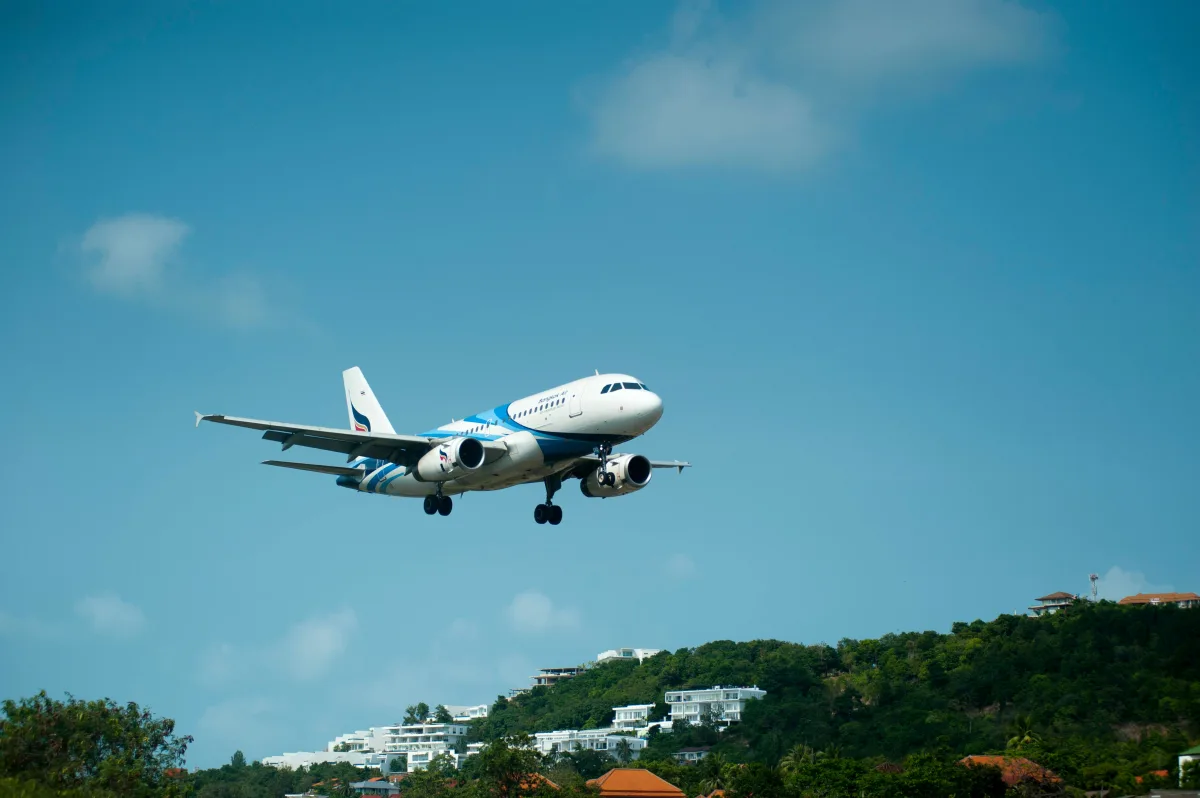
Southwest Airlines ends its open-seating policy for assigned seats; plus-size passengers must now pre-purchase extra tickets for guaranteed space.
Key Takeaways
- •Southwest Airlines officially ended its open-seating policy on January 27, 2026, transitioning to an assigned seating model with new fare categories.
- •The new 'Customer of Size' policy requires plus-size passengers to proactively purchase an extra seat during booking to guarantee space.
- •Refunds for the extra ticket are no longer guaranteed and are only provided if the flight departs with at least one open seat, a major change from the prior policy.
- •The policy shift is expected to generate a significant assigned seating revenue boost, aligning Southwest with industry trends in ancillary revenue generation.
Southwest Airlines has officially ended two signature policies that long defined the low-cost carrier’s unique brand. Starting Tuesday, January 27, 2026, the airline is moving to assigned seating. This change also implements new, stricter rules for its plus-size passenger policy change, affecting how travelers purchase and refund extra seats.
Southwest Airlines first announced these controversial changes in July 2025. The move is partly a response to customer demand for more choice. It also aims to significantly boost the airline’s assigned seating revenue boost through new premium seating options.
The Shift to Assigned Seating
The airline is abandoning its decades-old, first-come, first-served Southwest Airlines open seating model. The previous A/B/C groups with numbered positions are now gone. They are replaced by a new boarding system using Groups 1 through 8.
Passengers now receive an assigned seat upon booking or check-in. The cabin is divided into three new fare-based categories: Standard, Preferred, and Extra Legroom seats. This change allows the carrier to sell premium seating. Southwest executive Tony Roach noted in 2025 that assigned seating “removes the uncertainty of not knowing where they will sit in the cabin.”
New Rules for Customers of Size
The most significant change affects the airline’s “Customer of Size” policy. The new rules require travelers who cannot fit between the armrests of a single seat to purchase two tickets in advance. The armrest is considered the definitive boundary between seats, according to the airline’s website.
This marks a stark departure from the previous, more flexible policy. Under the old rules, passengers could purchase an extra seat and receive a guaranteed refund later. They could also request a free extra seat at the airport if space was available.
Stricter Refund and Rebooking Conditions
Under the new customers of size policy, travelers must proactively purchase the extra seat during booking. This guarantees the necessary space is available. The conditions for receiving a refund for the second ticket are now much stricter. The refund is only possible if the flight departs with at least one open seat. This means the refund is no longer guaranteed on a full flight, even if the passenger pre-purchased the extra ticket. Furthermore, the flyer must request the refund within 90 days of the flight.
There is also a significant passenger rebooking risk for those who do not pre-reserve the extra seat. If an airport employee determines a passenger needs an additional seat and one was not purchased, a complimentary seat will only be provided if space is available. If the flight is full, the passenger will be rebooked on a later flight with available seating. If this determination is made after boarding, the passenger may be required to deplane for rebooking.
Industry Context and Ancillary Revenue
This commercial aviation news update aligns Southwest Airlines with most other major U.S. carriers. The shift capitalizes on airline seating preference trends that favor premium options. Ancillary revenue, which includes seat selection fees, is a major profit driver.
Data from IdeaWorksCompany shows the financial importance of these fees. In 2022, assigned seat fee revenue for eight key U.S. airlines was estimated at $4.2 billion. This revenue stream is a critical component of ancillary revenue generation across the global industry. Worldwide, ancillary revenue was projected to reach $157 billion in 2025. This financial context highlights the economic motivation behind Southwest’s strategic shift. The new policies represent a major change to the carrier’s core customer experience model.
For in-depth airline coverage and commercial aviation news, flying.flights delivers timely industry insights.
Written by Ujjwal Sukhwani
Aviation News Editor & Industry Analyst delivering clear coverage for a worldwide audience. Covers flight operations, safety regulations, and market trends with expert analysis.
Visit ProfileYou Might Also Like
Discover more aviation news based on similar topics

Winter Storm Cancels Over 11,000 Flights in U.S. Northeast
A major winter storm in the U.S. Northeast forced airlines to cancel over 11,000 flights, grounding operations at major hubs like Boston and New York.

IndiGo Launches Belagavi-Navi Mumbai Flights from March 29
IndiGo will launch daily flights between Belagavi and Navi Mumbai from March 29, restoring a key regional route previously served by Star Air.

Canadian Airlines Resume Mexico Flights After Regional Violence Subsides
Canadian carriers resume flights to Puerto Vallarta as over 61,000 citizens register with Global Affairs Canada amid regional safety concerns.
Oman Air to Launch Muscat–Tashkent Route in June 2026
Oman Air will launch a new direct route between Muscat and Tashkent on June 1, 2026, marking its entry into the Central Asian market.

Delta Offers Portland-Oslo Fares From $476 in Basic Economy
Delta and its SkyTeam partners are offering Portland-Oslo fares starting at $476, showcasing the growing trend of unbundled Basic Economy tickets.

Arajet Reports Record Passenger Numbers for January in Dominican Republic
Arajet transported a record 175,000+ passengers in January, cementing its position as a top carrier in the Dominican Republic's growing aviation market.